Daily Lesson for Sabbath 14th of February 2026
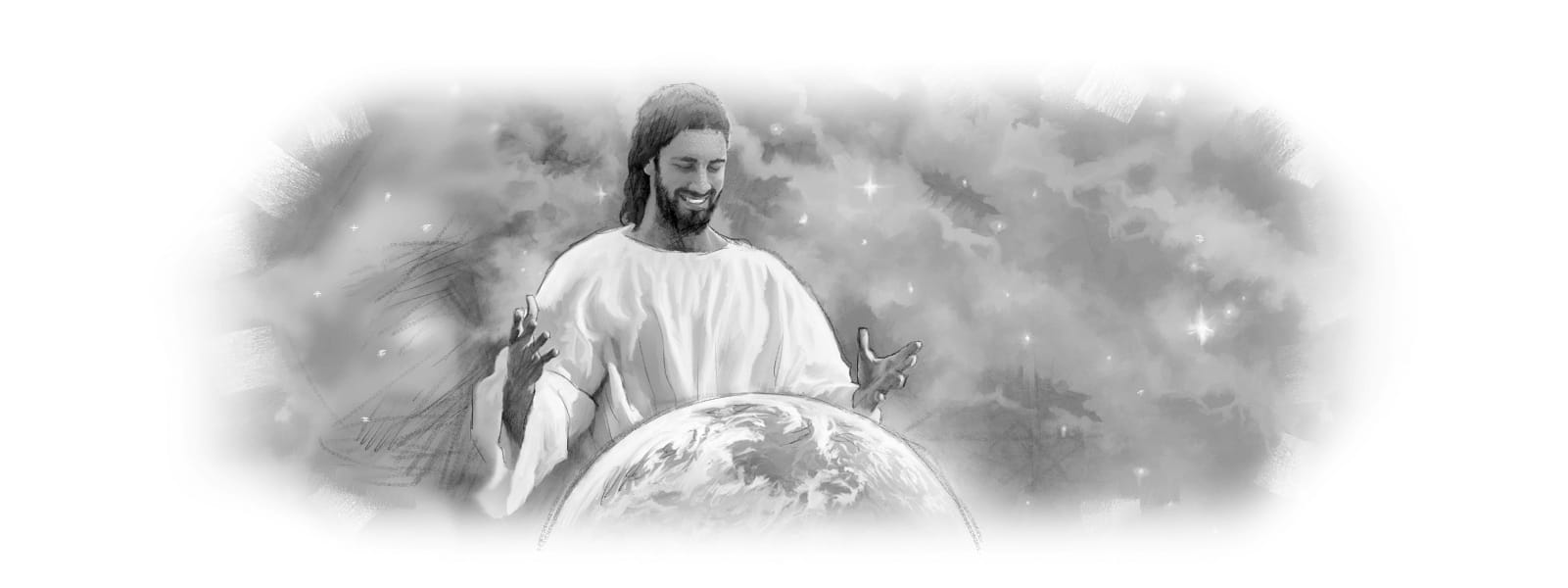
Image © Pacific Press
Read for This Week’s Study: Genesis 1:26-27; Colossians 1:13-19; John 1:1-3; Ephesians 1:22; 1 Corinthians 12:12-27; 1 Corinthians 4:9; Romans 6:3-4.
Memory Text:
“He [Christ] is the image of the invisible God, the firstborn over all creation. For by Him all things were created that are in heaven and that are on earth, visible and invisible, whether thrones or dominions or principalities or powers. All things were created through Him and for Him. And He is before all things, and in Him all things consist” (Colossians 1:15-17, NKJV).
With this week’s lesson, we resume our consideration of Colossians (see Lessons 1 and 2). In Lesson 2, Thursday, we saw that in Colossians 1:9-12, Paul prays for believers in Colossae, asking that they may live in a way pleasing to God. In verses 12 and 13, he contrasts two realms: that of light and of darkness, “the kingdom of light” (Colossians 1:12, NIV) and “the dominion of darkness” (Colossians 1:13, NIV). God the Father has qualified us to share in the eternal inheritance of the realm of light, delivered us from the power of darkness, and “transferred us to the kingdom of his beloved Son, in whom we have redemption, the forgiveness of sins” (Colossians 1:13-14, ESV).
In other words, it is in Jesus, the person of Jesus, who is also God our Creator, that we have redemption. He worked out our redemption for us, and by faith in Him we have been moved from the realm of darkness into the kingdom of His beloved Son.
This week we will look at one of the most comprehensive and sublime statements about Jesus in the New Testament. What does it mean that Jesus is “the image of the invisible God,” yet also “the firstborn over all creation” (Colossians 1:15, NIV)?