Daily Lesson for Thursday 13th of August 2026
Thus far, we have learned that love is patient, kind, joyful, resilient, believing, hopeful, and enduring (or perseverant) because Jesus is all these things. Once we see these qualities in Jesus, the next step is to imitate Him. That was Paul’s wish for the Corinthians. However, if we remove the “not” in the eight negative features of love, “we get a pretty good description of the Corinthians’ conduct within their church circle: envious, boasting, arrogant, rude, self-seeking, easily offended, and looking to see what others were doing wrong. Paul is tailoring the verbs he uses here to the Corinthian situation.”—Verlyn D. Verbrugge, “1 Corinthians,” in The Expositor’s Bible Commentary: Romans–Galatians, revised edition (Grand Rapids, MI: Zondervan, 2008), p. 372.
The Corinthians had much to learn. So do we. After describing what love does and does not do, Paul concludes his section by emphasizing the everlasting nature of love so as to stimulate the practice of genuine love.
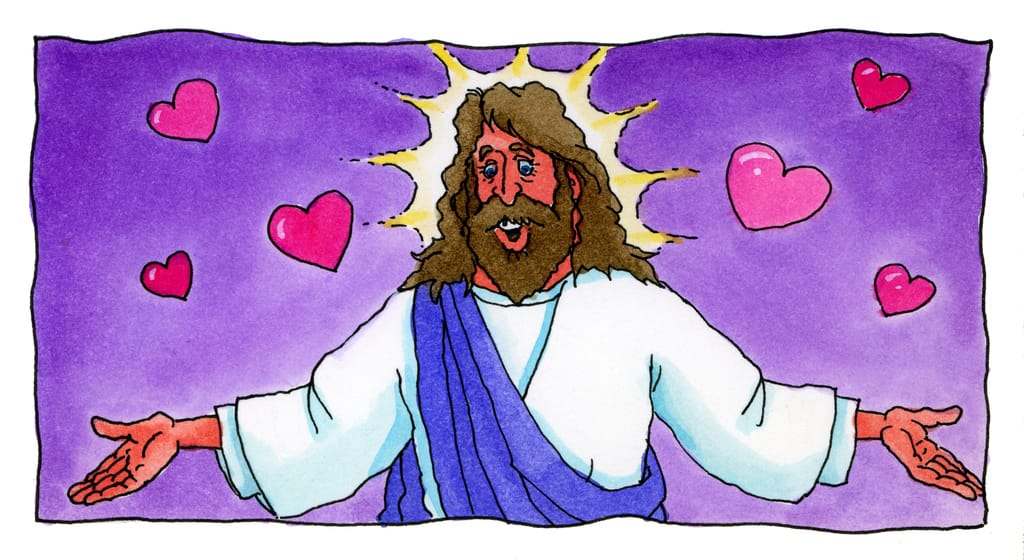
Image © Educational Concepts Collection at Goodsalt.com
One day, prophecies will no longer be necessary; we will speak only one language; and flawed human knowledge will be replaced by a brand-new knowledge of God (1 Corinthians 13:12). The gifts of the Spirit will cease only when the purpose for which they exist has reached its fulfillment (1 Corinthians 13:10). “But love will last forever!” (1 Corinthians 13:8, NLT).
Likewise, when Christ returns, faith will give place to sight (2 Corinthians 5:7), and that which we have long hoped for will be reality (Romans 8:24). And, most of all, love will endure as an emblem of the character of our triune God. Yet, there is a sense in which faith and hope will also last forever. Faith as the experience of salvation (Romans 4:3), and hope as the desire and expectation of new delights and knowledge in the new earth, will mark the experience of the redeemed forever. Yet love, God’s love, will eternally prevail.
Very soon, we will see our Lord face-to-face (1 Corinthians 13:12). Until that day comes, we are supposed to define our lives with these three virtues: faith, hope, and love. This triad is representative of the fullness of Christian life through the Spirit. That is why it was often referred to among Christians (Romans 5:1-5; Galatians 5:5-6; Ephesians 1:15,18; Ephesians 4:1-5). Love, however, is the greatest; after all, it is the only virtue used to describe the very nature of God Himself (1 John 4:8).
|
Dwell on the statement “God is love.” How are we supposed to understand exactly what that means? And though we can grasp the idea only in part, why is that phrase such good news for us? |