Daily Lesson for Thursday 29th of January 2026
Read Philippians 2:25-30. How does Paul describe Epaphroditus? What specific attitudes and actions of this Christian worker reveal his character?
Epaphroditus is mentioned only in this letter, but we learn quite a bit about him from the few brief mentions that appear. Judging from his name (which refers to the cult of Aphrodite), he was converted from a pagan background. Calling him a “fellow worker” suggests he was active in ministry, perhaps working alongside Paul in Philippi. Being a “fellow soldier” (compare Philippians 1:27) probably refers to conflict Epaphroditus faced in spreading the gospel, willing even to risk his life (Philippians 2:30).
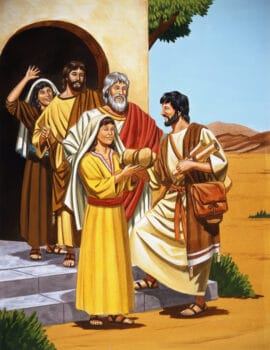
Image © Lifeway Collection at Goodsalt.com
As the “messenger” (Greek: apostolos) appointed by the church in Philippi, Epaphroditus is sent to minister to Paul in prison and to care for any other needs he may have (Philippians 2:25). He was the one the Philippians entrusted with their financial gifts for Paul (Philippians 4:18). These offerings were critically important because whatever food, clothing, bedding, or other necessities Roman prisoners might need would have to be purchased at their own expense or brought to them by family and friends (compare Acts 24:23). Near the end of his second imprisonment in Rome, Paul asked Timothy to “do your utmost to come before winter” and “bring the cloak” left at Troas (2 Timothy 4:13,21, NKJV). Paul would apparently need this thick woolen overcoat in his cold stone cell. It was also Epaphroditus who was entrusted with carrying this epistle back to Philippi (see Ellen G. White, The Acts of the Apostles, p. 479).
Perhaps because of the problems in Philippi (see Lesson 4), Paul “considered it necessary” to send Epaphroditus back sooner than anticipated, and thus urges the Philippians to “welcome him in the Lord with great joy” (Philippians 2:29, NIV). Paul wants to make sure they do not worry about his own situation in jail. He also underscores that Epaphroditus is the kind of person Christians are to hold in high esteem, not because of their wealth or social status but because of their sacrificial spirit in following the example of Jesus (Philippians 2:6-11,29-30; compare Luke 22:25-27). The Greek word for esteem or honor appears only a few times in the New Testament: for the centurion’s servant who was “valued highly” (Luke 7:2, NRSV), for those who are shown honor by their placement at a feast (Luke 14:8), and of Jesus as the “precious” cornerstone (1 Peter 2:4,6). For Epaphroditus to be included in that group, he must have been, indeed, a faithful man.