Daily Lesson for Thursday 17th of September 2026
In 2 Corinthians 12:14-21; 2 Corinthians 13:1-10, Paul informs the church about his third visit (2 Corinthians 12:14, 2 Corinthians 13:1). He had shown that he is not inferior to any of the false apostles and is now confident to come to Corinth once again and try to restore unrepentant members. In fact, this was one of the primary purposes of this visit. All Paul did and spoke was meant for the edification of the church (2 Corinthians 12:19).
Read 2 Corinthians 12:20-21. What sins were jeopardizing the spiritual condition of the Corinthian church?
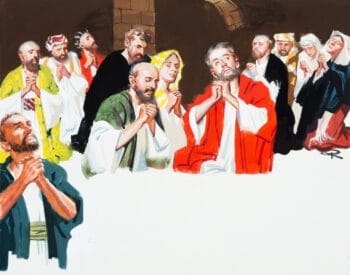
Image © Review & Herald Publishing at Goodsalt.com
The list of sins in 2 Corinthians 12:20-21 is similar to others found elsewhere in Paul’s letters (Romans 1:29-31, Galatians 5:19-21). The first two items appear in 1 Corinthians 3:3, where Paul refers to jealousy and strife among the members in Corinth. Paul fears that things would not be too different by the time of his third visit. He says, “I fear that perhaps when I come I may find you not as I wish.” Conversely, he says, “You may find me not as you wish” (2 Corinthians 12:20, ESV). This means that rather than dealing with them “by the meekness and gentleness of Christ” (2 Corinthians 10:1, ESV), he would now be “ready to punish every disobedience” (2 Corinthians 10:6, ESV).
His main concern is that those members who had been involved with “impurity, sexual immorality, and sensuality” may not have repented (2 Corinthians 12:21, ESV). And it is sins such as these that cause divisions in the church.
Next, Paul focuses on the role of church discipline to restore those in sin (2 Corinthians 13:1-4). Weakness is not an excuse for a sinful way of life. There is power available for those who want to live a victorious life (2 Corinthians 13:4). The fact that some in Corinth practiced sexual sin is evidence that God’s power was not a reality in their lives. Paul wanted them to repent and experience the power that leads to obedience. Disciplining them was the last thing he wanted to do. He says, “We pray to God that you may not do wrong . . . , but that you may do what is right. . . . Your restoration is what we pray for” (2 Corinthians 13:7-9, ESV). What a beautiful prayer! He asks them to examine themselves to see whether they are in the faith.
|
Read 2 Corinthians 13:5. What does it mean to be in the faith? How can you know that you are in the faith? |