
DISPUTE A GERUSALEMME. Approfondimento della lezione della Scuola del Sabato numero 9 – III trimestre 2024 con Mariarosa Cavalieri, Mirela Pascu e Nino Plano. RISORSE COLLEGATE ⤵
https://uicca.org/3-trimestre-2024-lez-9
https://uicca.org/nocciolo-3-trimestre-2024
https://sdsministeripersonali.chiesaavventista.it/ Source: https://www.youtube.com/watch?v=XOWkgPybz8E
Missioni dal mondo – 31 agosto 2024
Senza un posto dove stare – La missione nella Divisione Interamericana. Missioni dal mondo 9° episodio – III trimestre 2024 Source: https://www.youtube.com/watch?v=m4M6wtnqFyg
9: Jerusalem Controversies – It is Written – Discussions with the Author

Join It Is Written Sabbath School host Eric Flickinger and this quarter’s author, Dr. Thomas R. Shepherd, as they provide additional insights into this week’s Sabbath School lesson, “The Beginning of the Gospel.”
 (0)
(0)Source: https://ssnet.org/blog/9-jerusalem-controversies-it-is-written-discussions-with-the-author/
9: Jerusalem Controversies – Hope Sabbath School Video Discussion
View an in-depth discussion of Jerusalem Controversies in the Hope Sabbath School class led by Pastor Derek Morris.
Click on the image below to view the video:
With thanks to Hope Channel – Television that will change your life.
(0)Source: https://ssnet.org/blog/9-jerusalem-controversies-hope-sabbath-school-video-discussion/
Salmo 26:8 – Mercoledì 28 agosto 2024
“O Signore, io amo trattenermi nella tua casa, nel luogo dove risiede la tua gloria”. (Salmo 26:8) Meditazione giornaliera “Apri la porta del tuo cuore”. Rubrica a cura di Anna Cupertino. Speaker: Anna Claudia Mele Source: https://www.youtube.com/watch?v=LZGfL3RJEqM
Lesson 9.Jerusalem Controversies | 9.4 Earthly Duties and Heavenly Outcomes | THE BOOK OF MARK | LIVING FAITH

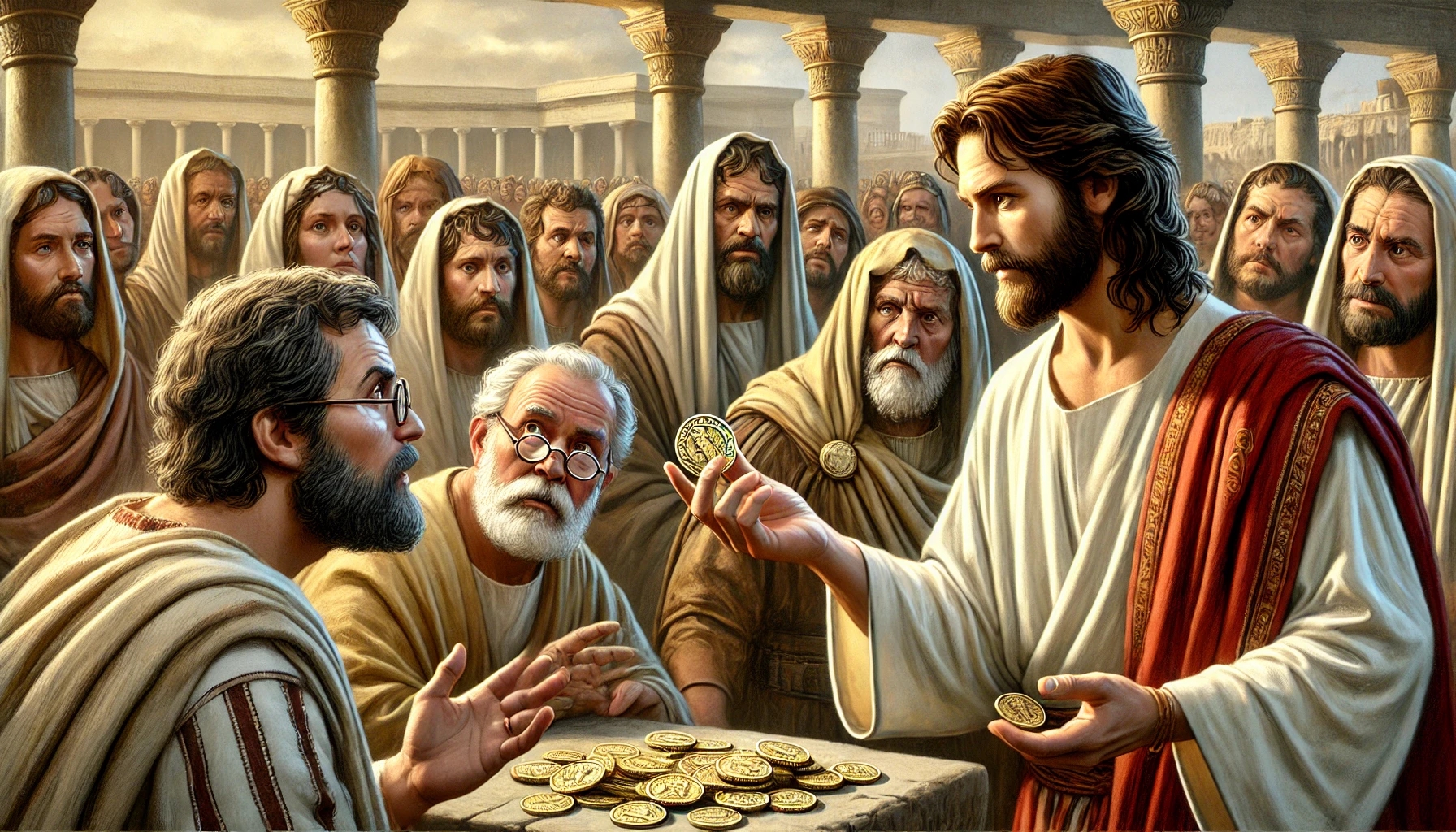
9.4 Earthly Duties and Heavenly Outcomes
Taxes and Resurrection: Jesus’ Wisdom in the Face of Worldly and Spiritual Challenges
Read Mark 12:13–27. What happens here, and what does Jesus teach?
In Mark 12:13–27, Jesus encounters religious leaders again, who attempt to trap Him with difficult questions. First, the Pharisees and Herodians ask Him about paying taxes to the Roman emperor, hoping to anger either the Roman authorities or the Jewish people. Jesus’ response is both wise and profound: “Give to Caesar what is Caesar’s, and to God what is God’s.” With this answer, Jesus shows that while we should fulfill our earthly duties, they should not conflict with our higher spiritual obligations. He teaches that as believers, we must adhere to our civic responsibilities while remaining faithful to God, with our loyalty to God always taking precedence.
Next, the Sadducees approach Jesus with a hypothetical question about the resurrection, intending to discredit the teaching of resurrection. They construct an absurd scenario to ridicule the concept of resurrection. Jesus responds with a profound truth: In heaven, earthly institutions like marriage will no longer exist, as life after resurrection will be of a different, higher nature. Moreover, Jesus uses the Scriptures, which the Sadducees also accept, to defend the truth of the resurrection. He refers to God’s self-revelation as the God of Abraham, Isaac, and Jacob, emphasizing that God is a God of the living, not of the dead. This implies that the patriarchs will live on in the resurrection.
This passage teaches us that our faith has significance both in this world and in the coming one. We are to fulfill our earthly duties conscientiously while keeping our eternal, spiritual truths and our faithfulness to God in view. Jesus shows us that our hope extends beyond this life and that our relationship with God will find its fulfillment in the resurrection. This reminds us that our heavenly destiny should shape our actions and thoughts in this world.
If someone were to ask you, “Do you know the power of God?” how would you respond and why?
If someone asked me, “Do you know the power of God?” I would respond, “Yes, I know it because I have experienced it in my life and in the world around me.”
I would say this because I have witnessed God’s power in various forms—whether through creation surrounding us, answered prayers, the impact of His Word in my life, or the transformation of hearts and lives made possible only by His love and grace.
God’s power is evident in His ability to make the impossible possible, in His infinite wisdom governing the world, and in His mercy that can heal even the most broken heart. These experiences and insights give me confidence that God’s power is real and omnipresent, both in grand miracles and in the everyday grace He bestows upon us.

The lesson from Mark 12:13–27 offers valuable connections to our daily life and faith by showing how we as Christians should live in a world that presents both worldly and spiritual challenges.
-
Balancing Earthly Duties with Spiritual Priorities: Jesus teaches us that it is important to fulfill our earthly duties—whether paying taxes or following laws—as long as these do not contradict our higher obligation to God. This lesson reminds us that while we live in and are part of this world, our loyalty to God must always come first. In our daily lives, this means acting responsibly in our work, family, and society, while keeping God’s values and commandments in view.
-
Understanding God’s Power and Hope for the Eternal: The question about the resurrection shows that our faith is relevant not just for this life but also for what comes after death. Jesus’ teaching about the resurrection encourages us to expand our perspective on life beyond the earthly. This has practical implications for our daily lives as it reminds us that our decisions and actions in this world have both temporary and eternal significance. Our hope in the resurrection and eternal life should shape our thinking, behavior, and priorities.
-
Experiencing God’s Power in Daily Life: When reflecting on God’s power, we should recognize that it is not only visible in grand miracles or extraordinary events but also in the everyday experiences of our lives. Whether through prayer, studying His Word, or experiencing His creation—God’s power is constantly at work in and around us. This understanding strengthens our trust and helps us rely on God even in difficult situations, knowing that His power is greater than any earthly challenge.
In summary, this passage encourages us to lead lives that meet both the demands of this world and the expectations of God. It reminds us that our faith is relevant not just for Sundays but for every day and every decision. By fulfilling our earthly duties and simultaneously trusting in God’s power and eternal promises, we can live a life that honors God and prepares us for our heavenly destiny.

Give to Caesar what is Caesar’s, and to God what is God’s—because our highest loyalty always belongs to God.
28.08.2024 – Mark Chapter 1 | BELIEVE HIS PROPHETS

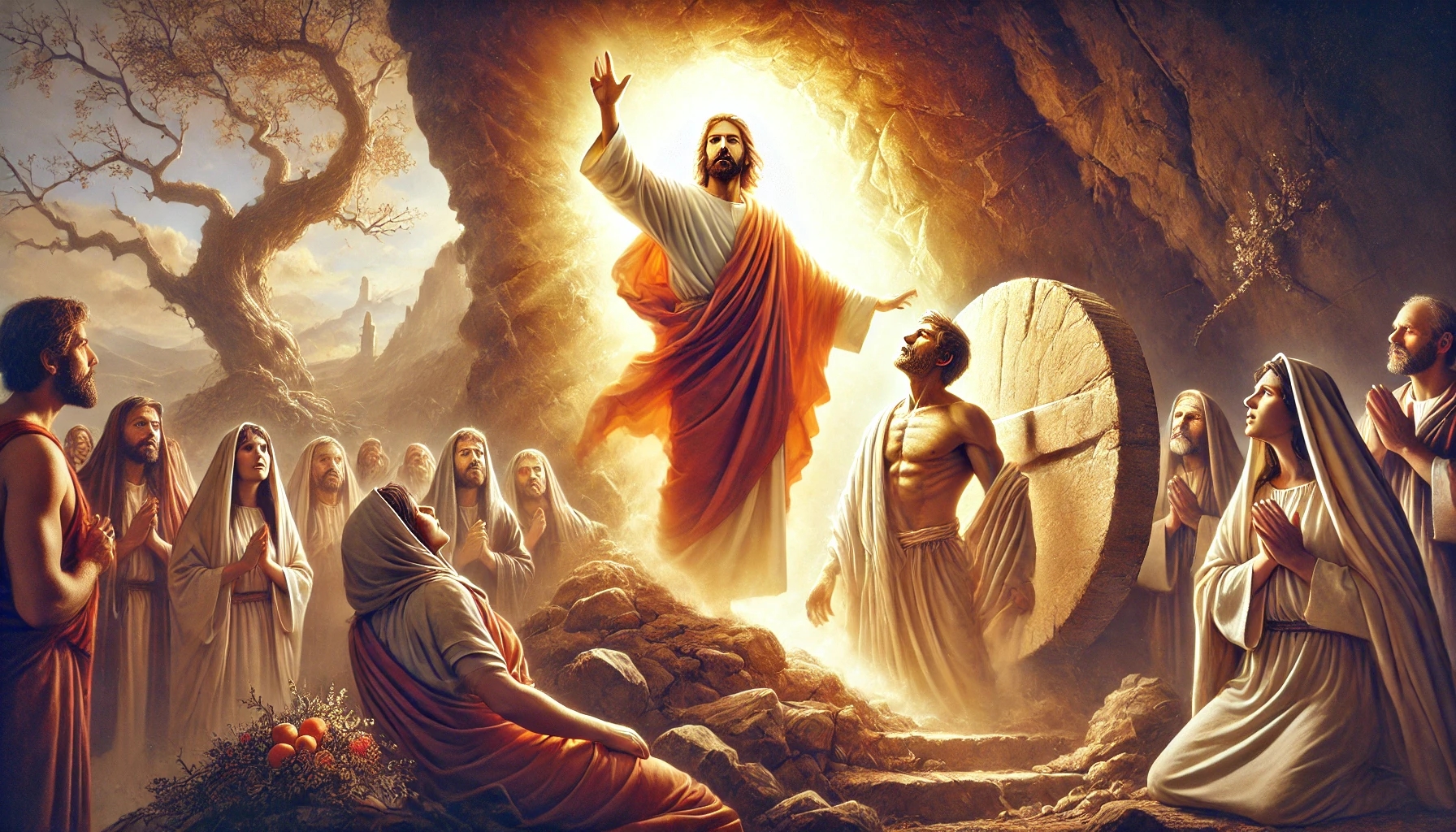
WEEKLY SPIRIT OF PROPHECY READING – Ellen White | The Desire of Ages Chapter 58—“Lazarus, Come Forth”
This chapter is based on Luke 10:38-42; John 11:1-44.
Read online here
Commentary
The chapter “Lazarus, Come Fourth” describes one of the most powerful and symbolic episodes in the ministry of Jesus. The raising of Lazarus from the dead is not only a remarkable miracle but also a profound testament to Jesus’ divine authority and love for his friends. This chapter uniquely brings together faith, hope, and the nature of divine providence.
Lazarus and the Family in Bethany:
Lazarus, along with his sisters Mary and Martha, are among Jesus’ most devoted followers. The close bond between them and Jesus goes far beyond what one would expect in a mere teacher-student relationship. The house in Bethany, home to Lazarus and his sisters, often serves as a refuge for Jesus, a place of peace and friendship where he can rest from the demands of his public ministry. This deep emotional connection becomes particularly evident when Lazarus falls ill and eventually dies.
Jesus’ Reaction to Lazarus’ Death:
Interestingly, Jesus hesitates to go to Bethany upon hearing of Lazarus’ illness. This delay initially seems puzzling, especially to the disciples who are aware of Jesus’ deep affection for Lazarus and his family. However, Jesus’ delay is intentional and serves a greater purpose: the glorification of God and the strengthening of his disciples’ faith. Jesus knows that the forthcoming miracle, the resurrection of Lazarus, will provide a powerful demonstration of his divine power and his identity as the Messiah.
The Dialogue with Martha and Mary:
When Jesus finally arrives in Bethany, he is greeted by Martha, who affirms her faith in him but is still sorrowful over her brother’s death. Jesus uses this moment to strengthen both Martha’s and Mary’s faith by telling them that he himself is “the resurrection and the life.” These words are central, as they not only point to the imminent resurrection of Lazarus but also to the deeper truth that Jesus embodies eternal life itself.
The Raising of Lazarus:
The climax of the chapter is undoubtedly the scene where Jesus calls Lazarus out of the tomb. This act is so powerful and majestic that it dispels any doubts about Jesus’ divine nature. The miracle is a symbolic act that foreshadows the future resurrection of all believers and demonstrates Jesus’ sovereignty over life and death. The reaction of those present—a mixture of astonishment, joy, and gratitude—highlights the profound emotional and spiritual impact of this miracle.
Significance for Faith:
The raising of Lazarus is not only a physical miracle but also a spiritual sign. It shows that faith in Jesus offers a living hope for eternal life, a hope that extends beyond death. Jesus demonstrates that death does not have the final word, but that through him, life triumphs. For the disciples and all who witness this event, it becomes clear that Jesus is indeed the Son of God, who has come to establish the Kingdom of God on earth.
The Deep Humanity of Jesus:
What is particularly moving is the portrayal of Jesus’ deep compassion. Although he knows that he will raise Lazarus from the dead, he weeps with those who mourn. These tears reveal Jesus’ full humanity and his capacity to experience genuine pain and loss. It presents a picture of Jesus that brings him closer to us: the divine Savior who is fully human, suffering with us and understanding our suffering.
Conclusion:
The chapter “Lazarus, Come Fourth” illustrates that Jesus’ actions and words are always directed toward a deeper, divine purpose—revealing his nature and mission to bring life that transcends death. The resurrection of Lazarus is a precursor to the final resurrection and a powerful symbol of the victory of life over death. It reminds us that in times of suffering and darkness, faith in Christ can lead us to a new life that surpasses our current reality.
Source: https://fulfilleddesire.net/28-08-2024-mark-chapter-1-believe-his-prophets/
9: Jerusalem Controversies – Singing with Inspiration
It is wonderful to travel through John Mark’s life and see the beautiful story climax with
Christ The Lord Is Risen Today – Hymn 166, therefore
Go, Preach My Gospel – Hymn 378. These two hymns give us a purpose all during this quarter to hasten the coming of our Lord Jesus. May you enjoy these hymns for your theme hymn from which to choose.
“The Triumphal Entry” has many aspects sung in
Hymn 372 – How Beauteous Are Their Feet, especially where Verse 5 states that “Jerusalem breaks forth in songs”.
Monday, Jesus teaches us about forgiveness and what happens to the fig tree. We may raise our voices in
Hymn 414 – Fruitful Trees, The Spirit’s Sowing which captivates these teachings, and finalises this teaching with
Hymn 299 – Forgive Our Sins As We Forgive.
As we go about our daily duties, where “actions speak louder than words”, we are labouring in His vineyard just as we find in Verse 4 of
Hymn 253 – There’s No Other Name Like Jesus.
Our “Earthly Duties” (Wednesday) study, gives us the courage to know we are to
Work, For The Night Is Coming – Hymn 375.
“The Greatest Commandment,” teaching tells us to “love God with all your heart”. With our actions then speaking louder than our words, the lyrics of
O Brother, Be Faithful – Hymn 602 will stand out. Ellen White says this again on Friday – “They say, but do not”. Like the scribe at the end of Thursday’s study, we are to “recognize who Jesus” is and “follow Him” –
Hymn 623 – I Will Follow Thee.
Please continue to search the scriptures this week to be blessed and to bless many others.
To learn unknown hymns, you will find the accompaniment music for each one at: https://sdahymnals.com/Hymnal/
Another great resource is for when there is a hymn you wish to sing but can’t find it in your hymnal. Go to https://www.sdahymnal.org/Search and in the search bar type a special word in that is in the hymn. I am sure you will be amazed at the help you will be given.
2 Timothy 2:15 KJV – “Study to shew thyself approved unto God, a workman that needeth not to be ashamed, rightly dividing the word of truth.”
(0)Source: https://ssnet.org/blog/9-jerusalem-controversies-singing-with-inspiration/
9: Jerusalem Controversies – Teaching Plan
Key Thought: The religious leaders came to confront, confound, and defeat Jesus, but they never succeeded. We need to consider what Christians can do to break through prejudice and speak to those resisting God’s call.
August 31, 2024
1. Have a volunteer read Mark 11:12-26
- Ask class members to share a short thought on what the most important point is in this passage.

- What importance of the events is depicted here?
- Personal Application: Why is humility so important for Christians?
Share your thoughts. - Case Study: One of your relatives states, “How are we supposed to be proud of being Christian without being accused of being judgmental, superior, or self-righteous? How would you respond to your relative?
2. Have a volunteer read Mark 11:27-33
- Ask class members to share a thought on what the most important point in this text is.
- What is the importance of the events depicted here
- Personal Application: What things in your life do you need Jesus to purify? How does this happen? Share your thoughts.
- Case Study: One of your friends states, “How did Jesus follow up His refusal to answer, and what effect did it have? Why did Jesus speak in parables here?” How would you respond to your friend?
3. Have a volunteer read Mark 12:13-27
- Ask class members to share a short thought on what the most important point in this text is.
- What challenge did the religious leaders bring to Jesus and how did He respond?
- Personal Application: If someone asked you, “Do you know the power of God?” How would you answer? Share your thoughts.
- Case Study: One of your neighbors states: “The Bible is just people’s own ideas about God, who He is, and how He operates. You can make the Bible say anything you want it to.” How would you respond to your neighbor?
4. Have a volunteer read Mark 12:28-34
- Ask class members to share a thought on what the most important point in this text is.
- What question did the scribe ask and what double response did Jesus give?
- Personal Application: How do we learn to love God and our neighbors as ourselves? How is the cross the key to following these commands? Share your thoughts.
- Case Study: Think of one person who needs to hear a message from this week’s lesson. Tell the class what you plan to do this week to share with them.
(Truth that is not lived, that is not imparted, loses its life-giving power, its healing virtue. Its blessings can be retained only as it is shared.”Ministry of Healing, p. 148).
(1)Source: https://ssnet.org/blog/9-jerusalem-controversies-teaching-plan/
This is How 2,000 Were Baptized
Discover the incredible journey of over 2,000 baptisms and 77 villages turning to the Lord through AWR's radio broadcasts. What role does faith play in your life? Hit like and subscribe for more!
#FaithJourney #RadioMinistry #BaptismMiracles #awr #adventistworldradio Source: https://www.youtube.com/watch?v=vjzRgOwTU5M

