
• Home
  • Devotionals
  • BiblePhone
  • Blogs
  • TV
  • Prayer
    • Submit Prayer Request
    • Prayer Requests List
  • Contact us
  • Romanian

Intercer Adventist News

Closer To Heaven

  • About us
    • About Adventist Church
    • About Intercer Adventist News
    • About Intercer
    • About Lucian Web Service
    • Latest News
    • Romanian Church News
  • News and Feeds
    • Intercer Adventist News
    • 60 Second SlideShows
    • “Adventist Tweets” Paper
    • Adventists on Twitter
    • Adventists on Google Plus
    • Bible Resources
      • Adventist Universities Daily Bible
      • Answers For Me
        • Dear God
        • Healthy Living
        • Life Notes
        • Spiritual applications
        • Vegetarian recipes
      • Better Sermons
        • Spirit Renew Quotes
      • Daily Bible Promise
      • E-GraceNotes
        • Bible Says
        • City Lights
        • Family First
        • Staying Young
      • Story Harvest
        • Personal Stories
      • SSNet.org
    • Churches & Organizations
      • Adventist News Network
      • Adventist Review
      • Adventist World Radio
      • Avondale College
      • Babcock University Nigeria
      • BC Alive
      • British Union Conference
      • Canadian Adventist Messenger
      • Canadian Union
      • North American Division News
      • Outlook Magazine
      • PM Church – Pastor’s Blog
      • Potomac Conference
      • Record Magazine – Australia
      • Review and Herald
      • Trans-European Division
      • Washington Conference
    • Health
      • Dr.Gily.com
      • Vegetarian-Nutrition.info
    • Ministries
      • 7 Miracle (Youth)
      • A Sabbath Blog
      • Adventist Blogs
      • Adventist Today
      • ADvindicate
      • Creative Ministry
      • Grace Roots
      • Romanian Church News
      • Rose’s Devotional
      • UNashamed
    • Personal
      • Alexandra Yeboah
      • Iasmin Balaj
      • Jennifer LaMountain
      • McQue’s View
      • Refresh with Tia
      • Shawn Boonstra
  • Sermons & Video Clips
    • Churches
      • Downey Adventist Church
      • Fresno Central SDA Church
      • Hillsboro Adventist Church
      • Mississauga SDA Church
      • New Perceptions Television (PM Church)
      • Normandie Ave SDA Church
      • Remnant Adventist Church
    • Organizations
      • Adventist News Network (ANN)
      • ADRA Canada
      • Adventists About Life
      • Adventist Education
      • Adventist Mission
      • Amazing Facts
      • Adventist Church Connect
      • BC Adventist
      • Church Support Services
      • In Focus (South Pacific)
      • IIW Canada
      • NAD Adventist
      • NAD Church Resource Center (Vervent)
      • NARLA
      • Newbold
      • Review & Herald
      • SECMedia
      • Video Avventista (Italy)
    • Ministries
      • 3AngelsTube.com
      • Answered.TV
      • AudioVerse.org
      • AYO Connect
      • Christian Documentaries
      • GAiN #AdventistGeeks
      • GYC
      • Intercer Websites
      • Josue Sanchez
      • LightChannel
      • Pan de Vida
      • Revival and Reformation
      • Stories of Faith
      • SAU Journalism/Communication
      • Spirit Flash
      • The Preaching Place (UK)
      • Toronto East Youth Nation
    • Personal
      • Esther-Marie Hartwell
      • McQuesView
      • Pastor Manny Cruz
    • Sabbath School
      • Ecole du Sabbat Adventiste
      • Sabbath School Audio Podast
      • Sabbath School daily
  • Resources
    • Bible and Bible Studies
    • Health
    • Music
  • All articles
  • G+ News & Marketplace
    • G+ News & Marketplace Group
    • G+ Page
You are here: Home / All articles

Lesson 6: I Will Arise | 6.6 Summary

February 8, 2024 By admin

6.6 Summary

Lesson 6 delves into various biblical texts, particularly Psalms 18, 76, and 144. These Psalms depict God as a mighty warrior and judge ready to save His people from threats. The Psalms emphasize the severity and urgency of God’s response to the cries and sufferings of His people.
The role of King David is highlighted as a successful warrior and gifted musician who praises God as the sole deliverer and sustainer of His people. Despite being engaged in war, David does not rely on his own abilities but acknowledges that God is the true deliverer. The Psalms underscore that worship and prayer are more powerful than human means and that God alone is the source of strength.
Furthermore, the Psalms emphasize God’s care for the oppressed and His commitment to justice. They call for advocacy for the poor, needy, and oppressed. Trusting in human means and leaders is portrayed as futile, and believers are encouraged to place their hope in God.
The Psalms also reflect the prophetic anticipation of God’s impending judgment on the unrighteous and the certainty of redemption through the divine judge, especially in connection with Jesus Christ. Finally, it is stressed that God is not only a judge but also a merciful deliverer who identifies with the poor and punishes those who do wrong.


Comfort and Hope: Psalms as Companions in Daily Life

The lesson “I Will Arise” from Psalms holds various connections to our everyday lives and faith:
  1. Trust in Times of Challenge: The Psalms show that even amid wars and difficulties, trusting in God is crucial. In our daily lives, this encourages us to rely on God’s help in challenging times and strengthen our faith.
  2. Dependency on God’s Power: King David emphasizes that his victories are not based on his own abilities but that God is the true deliverer. In everyday life, this reminds us that our abilities are limited, and we rely on God’s power.
  3. Caring for the Oppressed: The Psalms call for advocating for the poor, needy, and oppressed. In daily life, these calls remind us to actively promote justice and compassion, especially towards the weakest in our society.
  4. Hope and Praise as Sources of Strength: The Psalms show that praise and prayer are powerful sources of strength. In everyday life, these practices encourage us to find hope in the midst of challenges and uncertainties and deepen our connection with God.
  5. Avoidance of Trusting in Human Means: The Psalms warn against trusting solely in human leaders and means. In our everyday lives, this reminds us that our ultimate trust should be placed in God, not in transient human solutions.
  6. Awareness of God’s Justice and Love for the Poor: The Psalms emphasize God’s justice and His special care for the disadvantaged. In daily life, these teachings encourage us to advocate for justice and manifest God’s love through our actions toward the needy.
Overall, the Psalms in the lesson “I Will Arise” provide practical guidance for a deeper spiritual life and active participation in the service of justice and love in our everyday lives.

Discussion Questions:

1.Because the painful realization of evil in the world can lead one to question whether God truly reigns: How can we develop an unshakable faith that withstands temptation? That is, what must we focus on to preserve our faith in God’s love, goodness, and power? What should the cross tell us about God and His nature?

Developing an unshakable faith that endures even in the midst of the painful awareness of evil requires a conscious alignment with specific fundamental principles and convictions. Here are some key aspects to focus on in order to maintain faith in God’s love, goodness, and power:
  1. God’s love and goodness: Reflect on biblical promises and testimonies of God’s love and goodness.
  2. The Cross as the center of faith: Recognize the cross as the central symbol of Christian faith, representing God’s unconditional love through the sacrifice of Jesus Christ.
  3. God’s sovereign rule: Trust that God is sovereign over all, even over evil, and His plan surpasses human understanding.
  4. Faith community: Surround yourself with a supportive faith community to share experiences and find strength.
  5. Prayer and spiritual practices: Maintain regular prayer and spiritual practices for a deeper connection with God.
  6. Cultivate gratitude: Foster a grateful attitude, focusing on positive aspects of life and acknowledging blessings.
  7. God’s Word as an anchor: Ground your faith firmly in God’s Word, finding strength and comfort in verses about God’s love, goodness, and power.
2. Why is it important not to rely on human means (leadership figures, institutions, or social movements) as the ultimate wisdom and solution for justice in the world but solely on God’s Word and judgment?
It is crucial not to rely exclusively on human means, leadership figures, institutions, or social movements as the ultimate wisdom and solution for justice but solely on God’s Word and judgment, for several reasons:
  1. Limited wisdom of human leadership: Human leaders and institutions have limited wisdom and understanding.
  2. Changeability of human authority: Human leaders and structures are subject to change, while God’s Word is constant and unchanging.
  3. Influence of sin and corruption: Human leaders and institutions may be influenced by sin and corruption, whereas God’s Word is pure and free from error.
  4. God’s perspective and wisdom: God’s wisdom surpasses human understanding, providing a divine perspective beyond human limitations.
  5. Moral foundation: God’s Word serves as an unshakable moral foundation, offering clear guidance in times of uncertainty.
  6. Trust in God’s sovereignty: Relying on God’s Word acknowledges dependence on His sovereignty, even when human solutions seem unclear.
  7. Eternal perspective: God’s Word reminds us of our ultimate home in eternity, framing justice within a larger context.
Overall, dependence on God’s Word and judgment highlights the need to look beyond human limitations and temporal boundaries, ensuring that true justice and wisdom are found in God.
3. What practical implications does the truth that the sanctuary is the place of divine judgment have?
The truth that the sanctuary is the place of divine judgment has several practical implications for the spiritual life and behavior of believers:
  1. Awareness of holiness and sin: Understanding the sanctuary as the place of divine judgment promotes awareness of holiness and sin in believers’ lives.
  2. Repentance and confession: Recognition of God’s judgment in the sanctuary leads to a deeper understanding of the need for repentance and confession of sins.
  3. Emphasis on redemption: The sanctuary underscores the significance of redemption through the sacrificial death of Jesus Christ. Believers recognize the forgiveness available through Christ’s sacrifice.
  4. Commitment to justice: Believers, aware of God’s judgment, are motivated to pursue justice in accordance with God’s commandments.
  5. Confidence in divine justice: The belief in the sanctuary as the place of divine judgment instills confidence that God, as the ultimate Judge, will address all injustices.
  6. Holiness and spiritual growth: The sanctuary’s focus on God’s judgment encourages believers to pursue holiness and experience spiritual growth.
  7. Anticipation of Christ’s return: The sanctuary emphasizes the anticipation of Jesus Christ’s return, a source of hope and encouragement for believers.
In summary, the truth about the sanctuary as the place of divine judgment influences believers’ attitudes and behaviors, fostering a deep respect for God’s holiness and justice.
4. How can we understand the harsh language of some Psalms? How does this language help us empathize with the humanity of those who wrote them?
The harsh language in some Psalms, especially those that call for revenge and retaliation, can be challenging to understand at first glance, particularly when compared to the principle of loving one’s enemies (as in Matthew 5:44). It is essential to comprehend these Psalms in context and consider their linguistic nuances. Here are some perspectives that can help:
  1. Expression of profound suffering: Psalms were often composed during times of extreme distress, reflecting the deep pain and desperation of the authors fighting for survival.
  2. Prophetic proclamation: Some Psalms have a prophetic dimension, foretelling divine judgment on evildoers. They serve as predictions of God’s actions rather than personal calls for revenge.
  3. Trust in divine justice: The harsh language often expresses confidence in divine justice, entrusting revenge to God as the righteous Judge.
  4. Honest communication with God: Psalms represent honest dialogue between the worshiper and God, allowing for the open and sincere expression of emotions, including anger and pain.
  5. Solidarity with the oppressed: The harsh language may also demonstrate solidarity with the oppressed, advocating for justice for the suffering.
  6. Acknowledgment of human weakness: The harsh language reminds us that Psalmists were human, with weaknesses and emotions. It reflects the human experience in all its highs and lows.
Understanding these contexts helps believers empathize with the human experiences of the Psalmists, viewing the Psalms not only as prayers but also as expressions of human spirituality in various life situations.

Source: https://fulfilleddesire.net/lesson-6-i-will-arise-6-6-summary/
Share this:

  • Share on Facebook (Opens in new window) Facebook
  • Share on LinkedIn (Opens in new window) LinkedIn
  • Share on X (Opens in new window) X
  • Share on Pinterest (Opens in new window) Pinterest

Like this:

Like Loading…

Filed Under: Adventist Sermons & Video Clips, Fulfilled Desire

AWR360° An Awakening in Europe Ep.16

February 8, 2024 By admin


AWR360° An Awakening in Europe Ep.16
#AWR #Health # Awakening # Europe Sync ID Code
MB01ELTF5PRA9RH #short Source: https://www.youtube.com/watch?v=LOFDSo0mfA4

Share this:

  • Share on Facebook (Opens in new window) Facebook
  • Share on LinkedIn (Opens in new window) LinkedIn
  • Share on X (Opens in new window) X
  • Share on Pinterest (Opens in new window) Pinterest

Like this:

Like Loading…

Filed Under: Adventist Sermons & Video Clips, Adventist World Radio

The Great Controversy Chapter 23: What is the Sanctuary?

February 8, 2024 By admin


Join Pastor Ted Wilson, president of the Seventh-day Adventist Church, and his wife Nancy, as they explore Chapter 23 of “The Great Controversy” by Adventist pioneer, Ellen G. White entitled, What is the Sanctuary? It is often believed that the sanctuary in ancient Israel was the location where several rituals took place. However, what took place there was so much more profound. In this episode, learn how the sanctuary message outlines and highlights Christ’s special work of redemption and understand its relevance for your life today. Don't miss this opportunity to deepen your understanding of the sanctuary message. Want to know more? 🔗 For a detailed look at what the Seventh-day Adventist Church believes about the Sanctuary, visit https://www.adventist.org/christs-ministry-in-the-heavenly-sanctuary/. Source: https://www.youtube.com/watch?v=Etn1YCXpPkQ

Share this:

  • Share on Facebook (Opens in new window) Facebook
  • Share on LinkedIn (Opens in new window) LinkedIn
  • Share on X (Opens in new window) X
  • Share on Pinterest (Opens in new window) Pinterest

Like this:

Like Loading…

Filed Under: Adventist Sermons & Video Clips, Adventists About Life

Moses and Paul: Black Bible Heroes

February 8, 2024 By admin

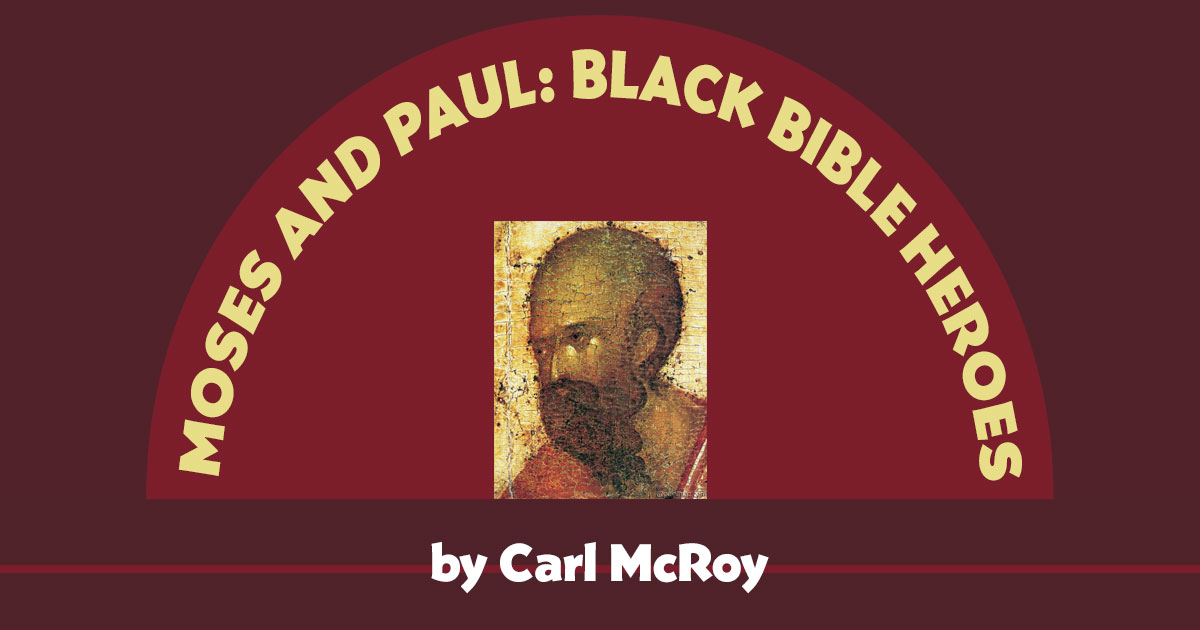
by Carl McRoy (This chapter is from Carl’s book Black from the Past.) Moses was the premier prophet, freedom fighter, and law-giver of the Old Testament. He is credited with writing the first five books of the Bible and setting the tone for the rest of the Bible. Moses’ teachings were so impactful that Jesus […] Source: https://atoday.org/moses-and-paul-black-bible-heroes/

Share this:

  • Share on Facebook (Opens in new window) Facebook
  • Share on LinkedIn (Opens in new window) LinkedIn
  • Share on X (Opens in new window) X
  • Share on Pinterest (Opens in new window) Pinterest

Like this:

Like Loading…

Filed Under: Adventist Sermons & Video Clips, Adventist Today

Missioni dal mondo 10 febbraio 2024

February 8, 2024 By admin


Attraversare monti e fiumi… – La missione nella Divisione Sud Asiatica. Missioni dal mondo 6. episodio – I trimestre 2024 Source: https://www.youtube.com/watch?v=6dPfpu89PHo

Share this:

  • Share on Facebook (Opens in new window) Facebook
  • Share on LinkedIn (Opens in new window) LinkedIn
  • Share on X (Opens in new window) X
  • Share on Pinterest (Opens in new window) Pinterest

Like this:

Like Loading…

Filed Under: Adventist Sermons & Video Clips, Video Avventista (Italy)

La vérité plaisante

February 8, 2024 By admin

par Rich Hannon  | 8 février 2024  | L’adventisme est né et a grandi avec le sentiment de représenter un groupe de chercheurs de vérité courageux. Ce n’est pas faux, mais ce n’est pas non plus tout à fait vrai. Au fil du temps, et certainement aujourd’hui, l’église semble moins se préoccuper de rechercher la […] Source: https://atoday.org/la-verite-plaisante/

Share this:

  • Share on Facebook (Opens in new window) Facebook
  • Share on LinkedIn (Opens in new window) LinkedIn
  • Share on X (Opens in new window) X
  • Share on Pinterest (Opens in new window) Pinterest

Like this:

Like Loading…

Filed Under: Adventist Sermons & Video Clips, Adventist Today

Video Giornale Avventista – 10 febbraio 2024

February 8, 2024 By admin


Il gruppo di Caravaggio è diventato chiesa. La cerimonia di costituzione si è svolta il 20 gennaio. A Bellaria, in Emilia-Romagna, si terrà il ritiro spirituale della terza età delle chiese avventiste dell’Italia centro-nord. Le iscrizioni sono già aperte. Due progetti in Yemen e in Italia evidenziano l’importanza dei primi anni di vita del bambini per un sano sviluppo. Ed altro ancora… Source: https://www.youtube.com/watch?v=U9wGoI2q_KM

Share this:

  • Share on Facebook (Opens in new window) Facebook
  • Share on LinkedIn (Opens in new window) LinkedIn
  • Share on X (Opens in new window) X
  • Share on Pinterest (Opens in new window) Pinterest

Like this:

Like Loading…

Filed Under: Adventist Sermons & Video Clips, Video Avventista (Italy)

Mary Magdalene: Gratitude, Forgiveness, and New Beginnings

February 8, 2024 By admin


Mary, an eyewitness to the incredible life, death, and resurrection of Jesus, experienced firsthand the transformative power that could change any life and defy death itself. This video unravels the story of Mary's witnessing the sacrifice of God's Son, Jesus, and the remarkable resurrection that followed. Let's reflect on Mary's story and cultivate gratitude for the ability to kneel, ask for forgiveness, and experience the profound grace of being forgiven. Let's embrace the opportunity for a new future through Jesus, just like Mary did—turning a new leaf and finding hope.
#Shorts​​​​​​​​​​​​​​ #YouTubeShorts​​​​​​​​​​​​​​ To watch the full video, paste this link into your browser: https://www.youtube.com/watch?v=03YZO6_a8Rc&list=PL-k2Gb-DBYo_ga5U5FGlXrn4c2r0xe4ni&index=9 Source: https://www.youtube.com/watch?v=4oGeyOjknD0

Share this:

  • Share on Facebook (Opens in new window) Facebook
  • Share on LinkedIn (Opens in new window) LinkedIn
  • Share on X (Opens in new window) X
  • Share on Pinterest (Opens in new window) Pinterest

Like this:

Like Loading…

Filed Under: Adventist Sermons & Video Clips, Adventists About Life

Inside Story: Invited to Church: Part 2

February 8, 2024 By admin

Inside Story for Friday 9th of February 2024

By Andrew McChesney

Seventeen-year-old Sekule wanted to know truth as a high school student in Sarajevo, capital of Bosnia and Herzegovina, so, he started to visit various houses of worship. But he didn’t find satisfactory answers to his questions about why a God of love would burn someone in hell for eternity. So, Sekule resolved to find the truth on his own by reading the New Testament.

When he returned to his home village in Montenegro that summer, he read one Bible book a day. On the first day, he read the 28 chapters of Matthew. The next day, he read Mark. Then he read Luke, John, Acts, and Romans. He read only one book a day, even when he came to such smaller epistles as Titus and Philemon.

Some answers to his questions about God emerged in his reading of the New Testament. But he longed for more information. He visited several more houses of worship. But he didn’t visit a Seventh-day Adventist church. He had heard that Adventists celebrated “Sweet Sabbaths” every week, a time when they engaged in sexual relations with each other. He thought, They’re crazy. They cannot have the truth.

Failing to find answers in the many houses of worship that he visited, he decided that God probably did not exist. He stopped reading the Bible.

Then a high school teacher saw Sekule’s Bible. She was an Adventist, and she saw the Bible as faculty members conducted random searches of dormitory rooms to see whether boys were hiding alcohol or drugs.

“You have a Bible!” she said.

“Yes,” Sekule said.

“What have you learned?”

“Many things.”

She quizzed him about Daniel, and Sekule, who had a good memory, provided clear answers.

“You actually understand!” she exclaimed. “You’re the first person whom I’ve met who understands. You must come to the Seventh-day Adventist church.”

Sekule didn’t dare refuse. She was his teacher. He feared that she would lower his grade if he didn’t go.

“OK, I’ll go,” he said.

But he lied. He had no plans to go to church.

Sekule Sekuli´c is an affluent entrepreneur and faithful Seventh-day Adventist in Montenegro. Read more of his story next week. Thank you for your Sabbath School mission offerings that help spread the good news of Jesus’ soon coming in Montenegro and around the world.

(0)

The post Inside Story: Invited to Church: Part 2 appeared first on Sabbath School Net.

Source: https://ssnet.org/blog/24a-06-inside-story-invited-to-church-part-2/

Share this:

  • Share on Facebook (Opens in new window) Facebook
  • Share on LinkedIn (Opens in new window) LinkedIn
  • Share on X (Opens in new window) X
  • Share on Pinterest (Opens in new window) Pinterest

Like this:

Like Loading…

Filed Under: Adventist Sermons & Video Clips, SSNet.org

Friday: Further Thought – I Will Arise

February 8, 2024 By admin

Daily Lesson for Friday 9th of February 2024

Read Ellen G. White, “The Beatitudes,” pages. 6–13, 29–35, in Thoughts From the Mount of Blessing.

Spectacles on Bible

Image © Stan Myers from GoodSalt.com

The Psalms are protests against human indifference to injustice; they are a refusal to accept evil. They are motivated not by a desire for revenge but by a zeal to glorify God’s name. Hence, it is fitting for the righteous to rejoice when they shall see God’s vengeance on evil because in this way God’s name and His justice are restored in the world (Psalms 58:10-11). The Psalms oblige people to raise their voices against evil and to seek the coming of God’s kingdom in its fullness. In the Psalms, we are given assurance of divine comfort and deliverance. The Lord will arise!

“ ‘When men shall revile you, and persecute you,’ said Jesus, ‘rejoice, and be exceeding glad.’ And He pointed His hearers to the prophets who had spoken in the name of the Lord, as ‘an example of suffering affliction, and of patience.’ James 5:10. Abel, the very first Christian of Adam’s children, died a martyr. Enoch walked with God, and the world knew him not. Noah was mocked as a fanatic and an alarmist. ‘Others had trial of cruel mockings and scourgings, yea, moreover of bonds and imprisonment.’ ‘Others were tortured, not accepting deliverance; that they might obtain a better resurrection.’ Hebrews 11:35-36.”—Ellen G. White, Thoughts From the Mount of Blessing, p. 33.

Discussion Questions

  1. Because the painful realization of the evil in the world can cause one to wonder whether the Lord actually reigns, how can we grow an unshakable faith that will stand strong even under temptation? That is, what must we focus on in order to maintain our faith in God’s love and goodness and power? What should the Cross say to us about God and His character?
  2. Why is it important not to rely on human means (leaders, institutions, and social movements) as the ultimate wisdom and solution for justice in the world but rely solely on God’s Word and judgment?
  3. What are the practical implications of the truth that the sanctuary is the place of divine judgment?
  4. How can we understand the harsh language of some psalms? How does that language help us relate to the humanity of those who wrote them?
(0)

The post Friday: Further Thought – I Will Arise appeared first on Sabbath School Net.

Source: https://ssnet.org/blog/24a-06-further-thought-i-will-arise/

Share this:

  • Share on Facebook (Opens in new window) Facebook
  • Share on LinkedIn (Opens in new window) LinkedIn
  • Share on X (Opens in new window) X
  • Share on Pinterest (Opens in new window) Pinterest

Like this:

Like Loading…

Filed Under: Adventist Sermons & Video Clips, SSNet.org

  • « Previous Page
  • 1
  • …
  • 1347
  • 1348
  • 1349
  • 1350
  • 1351
  • …
  • 5091
  • Next Page »

SkyScraper

Intercer Ministry – Since 1997!

We’re on Pinterest!

Partners


The Seven Thunders Ministry

Recent Posts

  • “People Need The Lord”
  • 10: Authentic Christian Ministry-Sabbath School Lesson Teaching Plan
  • What Hope Looks Like in Madagascar
  • 🌅 Non tutto ciò che pesa sulle nostre spalle dobbiamo continuare a portarlo da soli.
  • 🌱LIVING FAITH | 🕯️Lesson 10: Authentic Christian Ministry | 📜 10.1 Fruits of an Authentic Ministry | ✉️ FIRST AND SECOND CORINTHIANS

About Intercer

Intercer is a website with biblical materials in Romanian, English, Hungarian and other languages. We want to bring the light from God's Word to peoples homes. Intercer provides quality Christian resources...[Read More]

Lucian Web Service


Intercer is proudly sponsored by Lucian Web Service - Professional Web Services, Wordpress Websites, Marketing and Affiliate Info. Lucian worked as a subcontractor with Simpleupdates, being one of the programmers for the Adventist Church Connect software. He also presented ACC/ASC workshops... [read more]

Archives

Follow @intercer

Categories

[footer_backtotop]

Website provided by: Intercer Romania · Intercer Canada · Lucian Web Service · Privacy · Log in


%d