
1 March 2020 | The Fresno Bee reported today that a patient with symptoms similar to the coronavirus, or COVID-19, has been admitted to Adventist Health Tulare. It is not clear whether the patient in the Tulare, California-based hospital has the virus, since a positive test result has not yet been confirmed. The Adventist-run hospital […] Source: https://atoday.org/patient-with-potential-coronavirus-symptoms-admitted-to-adventist-health-tulare/
10: From Confession to Consolation – Teaching Plan
Key Thought: Daniel 9 gives light to the vision in Daniel 8 and the time when Messiah would show up and confirm the starting point of the 2300 days.
March 7, 2020
1. Have a volunteer read Daniel 9:1-11.
- Ask class members to share a thought on what the most important point in this text is.
- What book or books was Daniel referring to that he understood by prophecy?
(Note: Jeremiah 25:11,12 29:10 tells us the period of Israel’s captivity would be seventy years.)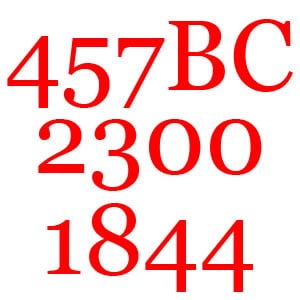
- Personal Application: What are some attitudes that may hinder our prayer life for others and ourselves? Share your thoughts.
- Case Study: One of your relatives states: “When I accepted Jesus as my Savior, all my sins were forgiven. I don’t focus on my specific sins anymore. I focus on Jesus and my salvation. I just praise God, not focus on my sins.” How would you respond to your relative?
2. Have a volunteer read Daniel 9:5-13.
- Ask class members to share a short thought on what the most important point is in this passage.
- What basis does Daniel make his plea for mercy?
- Personal Application: Are you currently offering intercessory prayer on behalf of someone? Are there those that need your intercessory prayer? Share your thoughts.
- Case Study: One of your friends states, “Most people when they prayer just repeat some words each time and for general forgiveness. But Daniel was specific in naming his and his people’s sins. How detailed should we be in detailed consideration of our sins when we confess and pray?” How would you respond to your friend?
3. Have a volunteer read Daniel 9:24-27.
- Ask class members to share a short thought on what the main idea of this text is.
- What specific things were supposed to be accomplished in the seventy-week prophecy?
- Personal Application: How patient are you in waiting for God to answer your prayers? Could you wait two years for God to answer you? Share your thoughts.
- Case Study: One of your neighbors states, “What difference does it make whether we understand the 2300 days or the seventy-week prophecies? They really aren’t relevant to our day and age. It’s just another part of the history of the Bible.” How would you respond to your neighbor?
4. Have a volunteer read Daniel 9:24=-27
- Ask class members to share a short thought on what the main idea of this text is.
- How do we know the date of the anointing of the Most Holy? Is it referring to a person or a place?
(Note: Ezra 7:7-12 tells us that the 7th year of Artaxerxes was the decree.That was 457 BC. Luke 3:1 tells us the 15th year of Tiberius was the baptism and anointing of Jesus. 27 AD. That is exactly 483 years or 69 weeks. It refers to a place – the temple in heaven. But when the earthly temple was anointed, so were the priests.) - Personal Application: What gives us hope like Daniel – a slave and eunuch in Babylon and Medio-Persia – who trusted God in all circumstances? Share your thoughts.
- Case Study: Think of one person who needs to hear a message from this week’s lesson. Tell the class what you plan to do this week to share with them.
(Truth that is not lived, that is not imparted, loses its life-giving power, its healing virtue. Its blessings can be retained only as it is shared.”Ministry of Healing, p. 148).
Amen! (0)
(0)
(0) Source: http://feedproxy.google.com/~r/SabbathSchoolNet/~3/d2UnxWSnXD0/
Alzati, rivestiti di luce
Registrazione culto del sabato della Chiesa Cristiana Avventista del 7 giorno – Roma Lungotevere (29 feb. 2020) Isaia 60:1-2 past. Corneliu Lupu Benone Source: https://www.youtube.com/watch?v=6qjO_nvIwtU
Un Dio presente nelle avversita’
Una riflessione sul momento storico in cui stiamo vivendo in questo momento collegato all'emergenza coronavirus in relazione al testo di Giovanni 11, la morte di Lazzaro. Source: https://www.youtube.com/watch?v=G7aR_M7pXXM
Mettimi alla prova
Nunzia La Bianca anziano della chiesa di bari Source: https://www.youtube.com/watch?v=bRbT2luKR2w
Lunedi 2 marzo 2020
Lunedi 2 marzo 2020 Luca 11:9 Ebbene io vi dico: Chiedete e vi sara' dato, cercate e troverete, bussate e vi sara' aperto. Testo H.Nouwen elaborato e presentato in studio da Elvira Franzoni. Meditazione giornaliera, serie “Apri la porta del tuo cuore”. https://hopechannel.it/lunedi-2-marzo-2020 Source: https://www.youtube.com/watch?v=0OuPTpEcpIk
How We Should Live – Part 2
Downey Adventist Church Worship Service
Adventist Beliefs 101
How We Should Live – Part 2
Chris Famisaran
29 February 2020
downeychurch.org
Cast: Downey Church
Tags: Church, Downey, worship, Adventist, sermon, SDA, God, Sabbath, seventh-day, religion, Bible and christian
Source: https://vimeo.com/394819511
10.2 An Appeal to Grace – FROM CONFESSION TO CONSOLATION | Pastor Kurt Piesslinger, M.A.
Series DANIEL with Pastor Kurt Piesslinger, M.A. |
10.FROM CONFESSION TO CONSOLATION |
One of the most warmhearted prayers of the Bible can be met here.
Memory Text: Daniel 9:19 – O Lord, hear; O Lord, forgive; O Lord, hearken and do; defer not, for thine own sake, O my God: for thy city and thy people are called by thy name.
10.2 An Appeal to Grace
Daniel asks the Almighty for grace although the people of God cannot show any positive aspects of their lives.
We would like to thank the artist Maximilian Jantscher for his permission to use his paintings for the series DANIEL.
www.akm777.at
My God bless you today and always.
Download
[soundcloud url=”https://api.soundcloud.com/tracks/769176682″ params=”color=#ff5500&auto_play=false&hide_related=false&show_comments=true&show_user=true&show_reposts=false&show_teaser=true” width=”100%” height=”166″ iframe=”true” /]
Part 2: Adventists Believe in Christian Unity
by Denis Fortin | 1 March 2020 | Read part 1 here. We Adventists have a fundamental belief on the topic of Christian unity, and in 2017 we had a Sabbath School Bible study guide on unity in Christ. Which makes all the more surprising the reaction to Giovanni Caccamo, the Italian pastor who signed an […] Source: https://atoday.org/part-2-adventists-believe-in-christian-unity/
10.1 The Centrality of God’s Word – FROM CONFESSION TO CONSOLATION | Pastor Kurt Piesslinger, M.A.
Series DANIEL with Pastor Kurt Piesslinger, M.A. |
10.FROM CONFESSION TO CONSOLATION |
One of the most warmhearted prayers of the Bible can be met here.
Memory Text: Daniel 9:19 – O Lord, hear; O Lord, forgive; O Lord, hearken and do; defer not, for thine own sake, O my God: for thy city and thy people are called by thy name.
10.1 The Centrality of God’s Word
The prophet Daniel studies biblical books in order to understand the historical moment of time.
We would like to thank the artist Maximilian Jantscher for his permission to use his paintings for the series DANIEL.
www.akm777.at
My God bless you today and always.
Download
[soundcloud url=”https://api.soundcloud.com/tracks/769057516″ params=”color=#ff5500&auto_play=false&hide_related=false&show_comments=true&show_user=true&show_reposts=false&show_teaser=true” width=”100%” height=”166″ iframe=”true” /]

