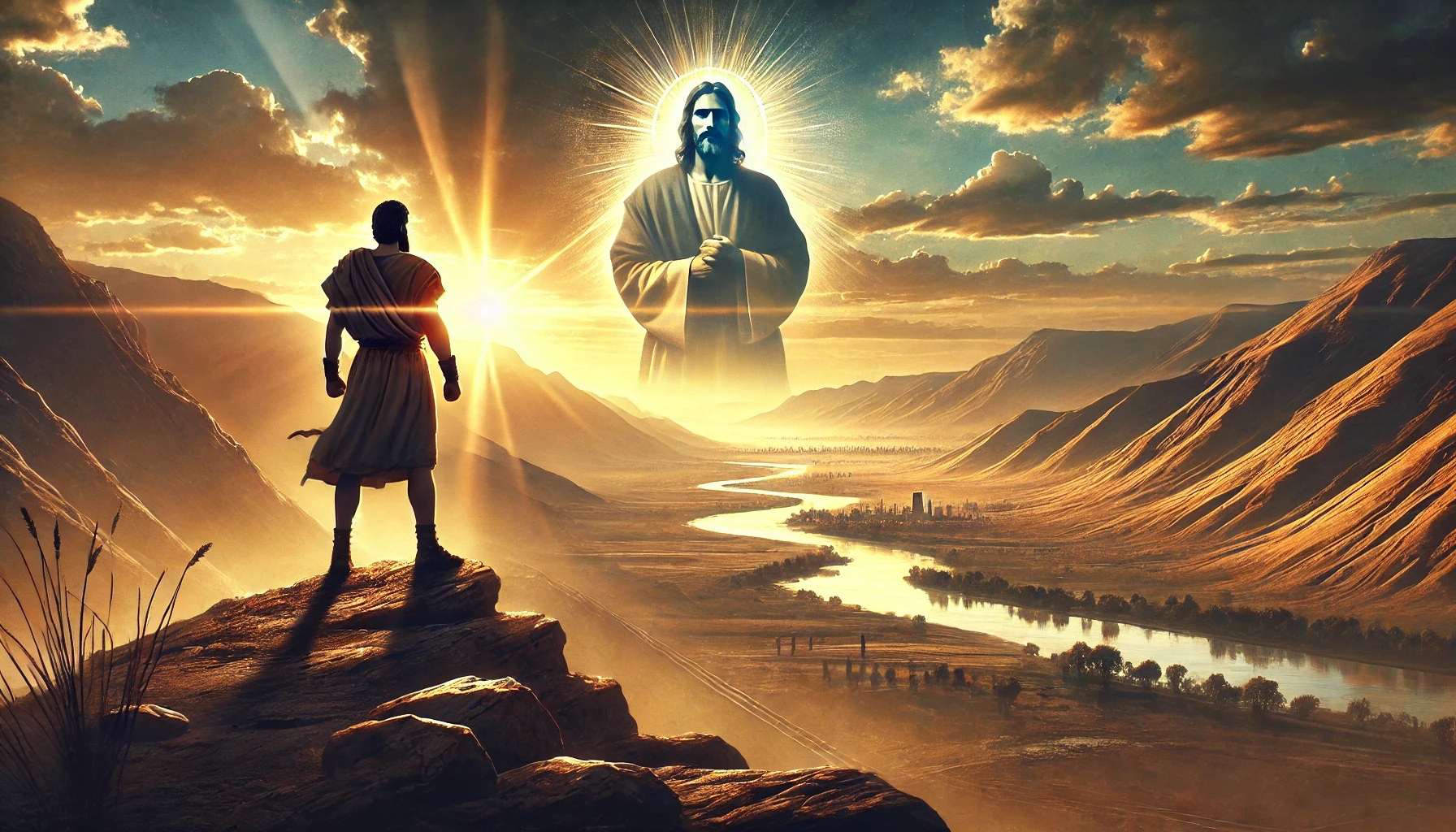
"If you believe, you will receive whatever you ask for in prayer" (Matthew 21:22, NIV).
Tag someone in need of prayer, and kindly share your prayer requests here:
https://wkf.ms/3DBuapQ Source: https://www.youtube.com/watch?v=jrLS33bj-n4
Editorial: My Calves and the Future of Adventist Journalism

Summer is here, and at Adventist Today, we’ve just wrapped up an intense 10 days of reporting on the General Conference Session in St. Louisβand we hope we did you proud. This summer also brings the slightly terrifying realization that I’ll be attempting a marathon most days from Pisa to Monte Carloβover 220 miles, starting […] Source: https://atoday.org/editorial-my-calves-and-the-future-of-adventist-journalism/
SdS – Il libro dellβEsodo – Lezione 04
LE PIAGHE.
Approfondimento della lezione 04 del 3° trimestre 2025 a cura di Mariarosa Cavalieri, Roberta Vittori e Nino Plano. π© Trovi i materiali utili qui:
π uicca.org/3-trimestre-2025-lezione-04
π https://uicca.org/nocciolo-3-trimestre-2025
π https://uicca.org/edizioni-adv-3-trimestre-2025
π https://ottopermilleavventisti.it/ Source: https://www.youtube.com/watch?v=cCW6Ws5CEDw
4: The Plagues β Singing with Inspiration
Exodus points us to a wonderful conclusion with the Israelites being bound for the Promised Land, hence our theme hymn for the quarter beingΒ
We Are Bound For The Promised Land β Hymn 620.Β
Such a sadness in the book of Exodus to see that the heart of Pharaoh continues to grow harder and harder towards God and His people. It is a pity that Pharaoh did not
Hark! The Voice of JesusΒ (and God)Β
Calling β Hymn 359, just as God called Moses, and then Aaron, to step forward.Β
We are reminded on Sunday that βthe upcoming battles were going to be between the living God and the Egyptian βgodsβ β, with Moses needing to seeΒ
Hymn 264 β O For That Flame Of Living FireΒ (verse 4).Β
βPharoah had his free willβhe could choose for or against Godβ. We have that choice today as well, and I sayΒ
Lord, I Have Made Thy Word My Choice β Hymn 273.Β
The idolatry of the Egyptian people had wiped out God as The Creator and instead worshipped all those things God had created. May we choose to believe and trust and GodΒ
For Beauty Of Meadows.-Β Hymn 640.Β
Please continue to search the scriptures this week to be blessed, and to bless others.Β
To learn unknown hymns, you will find the accompaniment music for each one at:Β https://sdahymnals.com/Hymnal/
AnotherΒ great resource is for when there is a hymn you wish to sing but canβt find it in your hymnal. Go toΒ https://www.sdahymnal.org/SearchΒ and in the search bar type a special word in that is in the hymn. I am sure you will be amazed at the help you will be given.
Β 2 Timothy 2:15 KJVΒ βΒ βStudy to shew thyself approved unto God, a workman that needeth not to be ashamed, rightly dividing the word of truth.β
(0)Source: https://ssnet.org/blog/4-the-plagues-singing-with-inspiration/
4: The Plagues β Teaching Plan
Key Thought : This week we encounter the God of miracles and the signs and wonders He performs, as well as the plagues as Divine judgment upon Egypt,
July 26, 2025
1. Have a volunteer read Exodus 7:3,13,14,22.
- Ask class members to share a short thought on what the most important point is in this passage.
- What lessons are here in the first confrontation between the God of the Hebrews and the gods of Egypt?

- Personal Application: What freewill choices are you going to make this week? If you know what the right choice is, how can you prepare to make it? Share your thoughts.
- Case Study: One of your relatives states, βDoesnβt the Bible say God hardened Pharoahβs heart? Does this mean that God causes people to do either the right or the wrong thing in their lives? That He predestines people to be saved or to be lost, to do good or evil?β How would you respond to your relative?
2. Have a volunteer read Exodus 7:14-8:19.
- Ask class members to share a thought on what the most important point in this text is.
- What happened in these plagues?
- Personal Application: Is there a danger in our lives by rejecting Godβs Spirit continually and making things worse in our lives? Share your thoughts.
- Case Study: One of your friends states, βWhat is so attractive about idol worship? Why was it so difficult for the Egyptians to break from idolatry, even after they saw the devastation it brought upon them?β How would you respond to your friend?
3. Have a volunteer read Exodus 8:27-9:12
- Ask class members to share a short thought on what the most important point in this text is.
- What does this account teach about however great may be the manifestations of Godβs power, mankind still have the free will to reject Him?
- Personal Application: Pharoah had rational evidence to make a right choice. It was a heart problem. What does this tell us about we must guard our hearts? Share your thoughts.
- Case Study: One of your neighbors states: βWhat is an idol> How do we make our own gods and bow doen before them? Why does God stand so vehemently against iodolatry?β How would you respond to your neighbor?
4. Have a volunteer read Exodus 9:13-10:29.
- Ask class members to share a thought on what the most important point in this text is.
- How successful are these plagues in getting Pharoah to change his mind?
- Personal Application: What is it in our hearts that causes us to stubbornly refuse all of Godβs promptings to repent and follow Him? Share your thoughts.
- Case Study: Think of one person who needs to hear a message from this weekβs lesson. Tell the class what you plan to do this week to share with them.
(Truth that is not lived, that is not imparted, loses its life-giving power, its healing virtue. Its blessings can be retained only as it is shared. βMinistry of Healing, p. 148).
(0)Luca 12:2 – Apri la porta del tuo cuore
“Ma non c’è niente di nascosto che non sarà svelato, né di segreto che non sarà conosciuto”. π Luca 12:2
—
π Apri la porta del tuo cuore
π£ Speaker: Liuanna Serra Source: https://www.youtube.com/watch?v=NS3E7tUEdW8
Vespers July 18, 2025 | We are Called For His Mission
We are Called For His Mission — Ravi Shankar THANK YOU for your continued financial support of our Media Ministries. Please donate by visiting "https://adventistgiving.org/#/org/ANB4RC/envelope/start" and select “Media Ministries”. Connect With Us
X: RemnantSDA
Facebook: RemnantSDAchurch.org
Instagram: RemnantSDAchurch Source: https://www.youtube.com/watch?v=6DO1HviXTDQ
Lesson 3.Rough Start | 3.7 Questions | EXODUS | LIVING FAITH

Lesson 3: Rough Start
3.7 Questions
When the beginning is hard β Godβs plan still stands
………………………………………………………………….
Introduction
Following Godβs call often sounds like clarity, purpose, and peace. But those who set out to follow His will are frequently met with challenges. Sometimes, things get worse before they get better. Why is that?
In this lesson, we ask tough questions:
Why do some journeys with God begin so roughly?
How can we recognize His guidance in the chaos?
And how do we relate to people who donβt know God?
………………………………………………………………….
Answers to the Questions
Question 1: Think of situations where you followed God’s call, but it didnβt go wellβor at least not at the beginning. What did you learn over time?
Answer:
A few years ago, I sensed that God was calling me to leave my job and join a nonprofit project. Everything seemed to speak against it: lower pay, no security, unfamiliar tasks. After starting, I faced team conflicts and financial stress. I doubted whether I had really heard God correctly.
Looking back, Iβve learned: Obedience doesnβt mean instant successβit means deeper trust. God shaped my skills, refined my character, and placed people in my life who enriched me. The rough start wasnβt meant to break meβbut to build me.
Question 2: Share a time when God intervened in your life after you prayed for helpβor even when you didnβt expect it. How can we believe in Godβs goodness when even those who trust Him experience suffering?
Answer:
When my brother fell seriously ill, I prayed for days for healing. It seemed like God was silent. He only grew weakerβuntil suddenly, new medication worked, and a specialist was recommended. After months, he began to recover.
Sometimes God intervenes visibly; other times, not in the way we hoped. Godβs goodness is not always shown in the absence of suffering but in His presence within it. Believers are not spared from painβbut theyβre never alone in it. God remains faithful, even when life doesnβt show it right away.
Question 3: What would you say to someone who says, βI donβt know the Lordββnot defiantly, just honestly? What can you do to help them βknow the Lordβ?
Answer:
Iβd listen with genuine interest. No one comes to faith through arguments alone. But Iβd say: βI get that. I had to learn who God really is too. Can I tell you why I believe in Himβand how thatβs changed my life?β
I wouldnβt start with theology, but with relationship and experience. People donβt first need doctrineβthey need living faith that comforts and transforms. Friendship, time, prayer, and kindness open doors to the heart. To βknow the Lordβ means to encounter Himβin people, moments, and silent miracles.
………………………………………………………………….
Spiritual Principles
-
Obedience isnβt conditional. Even when the path is hard, Godβs way is still the best.
-
Godβs goodness doesnβt guarantee easeβbut it does promise faithfulness.
-
Giving testimony isnβt about convincingβitβs about inviting others to discover for themselves.
-
Faith grows through the processβnot through perfection.
………………………………………………………………….
Application in Daily Life
-
If you feel God is calling youβfollow, even if you donβt fully understand His plan.
-
Donβt just pray for your situation to changeβpray for endurance in the storm.
-
Listen wellβespecially to those who donβt believe (yet)βand share your experiences, not just opinions.
-
Persevere when the start is roughβGodβs blessing often comes after the valley.
………………………………………………………………….
Conclusion
God callsβnot always into safe harbors, but often into storms. Yet itβs in those challenges that our faith is shaped. God isnβt looking for perfect people, just willing hearts. The question isnβt how hard the way isβbut whether we recognize HIM in it and stay faithful.
………………………………………………………………….
Thought of the Day
βGodβs ways may be hiddenβbut never abandoned. The beginning may be shaky, but the goal is certain.β
………………………………………………………………….
Illustration β βCalled Anywayβ
Chapter 1 β The Call
Jana, 28, a nurseβambitious, organized, grounded. Her life was structuredβuntil one evening. After a long shift, scrolling through social media, she saw a post from a Christian organization in Romania, urgently seeking medical volunteers for a remote mountain clinic.
It was absurd. She didnβt speak Romanian, had never worked abroad, and barely knew the region. Yet something wouldnβt let go. In the following days, the same message echoed in sermons, Bible readings, and even a talk with a friend: βTrustβand go.β
Two weeks later, Jana quit her job. She felt braveβand crazy.
Chapter 2 β The Crash
She expected an adventure for God. What she got was chaos.
Her luggage got lost at the airport. The accommodation was cold, electricity failed regularly. The βclinicβ was a container with two rusty tables. Locals were skeptical. Her colleague barely spoke English. On day two, a village elder told her, βWe donβt need you here.β
Jana cried every night that first week. Her prayers felt hollow.
βLord, did You really call me hereβor did I just imagine it?β
Chapter 3 β The Quiet Encounter
One Friday, an old woman came, barely able to walk. Jana treated her with basic careβbandages, warm water. Nothing spectacular. But the woman cried as she left. The next day, she returnedβwith her granddaughter.
Then more came. Without words. Just looks.
They barely understood each other verballyβbut the people sensed that Jana hadnβt come to run away, but to stay.
Chapter 4 β Alex
Then came Alexβ19, quiet, hardened, heavy-eyed. He brought his little sister. Jana treated her and offered Alex tea. He said nothing. But came again. And again.
Eventually, he asked, βWhy are you here?β
Jana didnβt preach. Just said she believed in a God who had sent herβeven without all the answers. Alex said nothing. But he kept coming back.
Chapter 5 β The Crisis
Three months in: The clinic was known. The container was full daily. Jana had picked up simple Romanian phrases. Kids brought her drawings. A local church invited her.
Then came tragedy. A baby died. Jana had done all she couldβit wasnβt enough. The mother screamed. The village went silent. Someone asked, βIf your God is so good, why did the baby die?β
Jana had no answer. That night, she cried to the sky:
βLord, if You called meβwhy this?β
Chapter 6 β The Answer
The next morning, Alex came. No sister. No tea. Just a worn-out notebook.
βI donβt know if I believe in your God. But I see that you do. And I want to understand.β
Jana weptβnot in weakness, but in awe.
God hadnβt answered all her questionsβbut He had used her faithfulness to plant questions in others.
Chapter 7 β Looking Back
Two years later, Jana sat back in Germany. She was back in a hospitalβbut no longer the same person. Her wall held pictures from Romania. Letters. Drawings. And a note from Alex:
βThank you for coming. Not because you were perfectβbut because you stayed.β
Final Thoughts
Janaβs story isnβt dramaticβbut itβs real.
Just like Moses didnβt understand why things got worse before better, we often wrestle with Godβs ways. But His plan doesnβt end at the start.
God uses the rough beginning to plant deep roots of faith.
He doesnβt ask us to understand everythingβonly to walk faithfully. Step by step.
Source: https://fulfilleddesire.net/lesson-3-rough-start-3-7-questions-exodus-living-faith/
19.07.2025 β Leviticus Chapter 4 | BELIEVE HIS PROPHETS
July 19, 2025
DAILY BIBLE READING
Leviticus 4 β The Law of the Sin Offering β When Guilt Comes to Light
Godβs Way of Reconciliation with Sinful Humanity
ββββββββββββββββββββββββββββββββββββββββββββββ
Bible Text β Leviticus 4 (KJV)
1 And theΒ LordΒ spake unto Moses, saying,
2Β Speak unto the children of Israel, saying, If a soul shall sin through ignorance against any of the commandments of theΒ LordΒ concerning things which ought not to be done, and shall do against any of them:
3Β If the priest that is anointed do sin according to the sin of the people; then let him bring for his sin, which he hath sinned, a young bullock without blemish unto theΒ LordΒ for a sin offering.
4Β And he shall bring the bullock unto the door of the tabernacle of the congregation before theΒ Lord; and shall lay his hand upon the bullock’s head, and kill the bullock before theΒ Lord.
5Β And the priest that is anointed shall take of the bullock’s blood, and bring it to the tabernacle of the congregation:
6Β And the priest shall dip his finger in the blood, and sprinkle of the blood seven times before theΒ Lord, before the vail of the sanctuary.
7Β And the priest shall put some of the blood upon the horns of the altar of sweet incense before theΒ Lord, which is in the tabernacle of the congregation; and shall pour all the blood of the bullock at the bottom of the altar of the burnt offering, which is at the door of the tabernacle of the congregation.
8Β And he shall take off from it all the fat of the bullock for the sin offering; the fat that covereth the inwards, and all the fat that is upon the inwards,
9Β And the two kidneys, and the fat that is upon them, which is by the flanks, and the caul above the liver, with the kidneys, it shall he take away,
10Β As it was taken off from the bullock of the sacrifice of peace offerings: and the priest shall burn them upon the altar of the burnt offering.
11Β And the skin of the bullock, and all his flesh, with his head, and with his legs, and his inwards, and his dung,
12Β Even the whole bullock shall he carry forth without the camp unto a clean place, where the ashes are poured out, and burn him on the wood with fire: where the ashes are poured out shall he be burnt.
13Β And if the whole congregation of Israel sin through ignorance, and the thing be hid from the eyes of the assembly, and they have done somewhat against any of the commandments of theΒ LordΒ concerning things which should not be done, and are guilty;
14Β When the sin, which they have sinned against it, is known, then the congregation shall offer a young bullock for the sin, and bring him before the tabernacle of the congregation.
15Β And the elders of the congregation shall lay their hands upon the head of the bullock before theΒ Lord: and the bullock shall be killed before theΒ Lord.
16Β And the priest that is anointed shall bring of the bullock’s blood to the tabernacle of the congregation:
17Β And the priest shall dip his finger in some of the blood, and sprinkle it seven times before theΒ Lord, even before the vail.
18Β And he shall put some of the blood upon the horns of the altar which is before theΒ Lord, that is in the tabernacle of the congregation, and shall pour out all the blood at the bottom of the altar of the burnt offering, which is at the door of the tabernacle of the congregation.
19Β And he shall take all his fat from him, and burn it upon the altar.
20Β And he shall do with the bullock as he did with the bullock for a sin offering, so shall he do with this: and the priest shall make an atonement for them, and it shall be forgiven them.
21Β And he shall carry forth the bullock without the camp, and burn him as he burned the first bullock: it is a sin offering for the congregation.
22Β When a ruler hath sinned, and done somewhat through ignorance against any of the commandments of theΒ LordΒ his God concerning things which should not be done, and is guilty;
23Β Or if his sin, wherein he hath sinned, come to his knowledge; he shall bring his offering, a kid of the goats, a male without blemish:
24Β And he shall lay his hand upon the head of the goat, and kill it in the place where they kill the burnt offering before theΒ Lord: it is a sin offering.
25Β And the priest shall take of the blood of the sin offering with his finger, and put it upon the horns of the altar of burnt offering, and shall pour out his blood at the bottom of the altar of burnt offering.
26Β And he shall burn all his fat upon the altar, as the fat of the sacrifice of peace offerings: and the priest shall make an atonement for him as concerning his sin, and it shall be forgiven him.
27Β And if any one of the common people sin through ignorance, while he doeth somewhat against any of the commandments of theΒ LordΒ concerning things which ought not to be done, and be guilty;
28Β Or if his sin, which he hath sinned, come to his knowledge: then he shall bring his offering, a kid of the goats, a female without blemish, for his sin which he hath sinned.
29Β And he shall lay his hand upon the head of the sin offering, and slay the sin offering in the place of the burnt offering.
30Β And the priest shall take of the blood thereof with his finger, and put it upon the horns of the altar of burnt offering, and shall pour out all the blood thereof at the bottom of the altar.
31Β And he shall take away all the fat thereof, as the fat is taken away from off the sacrifice of peace offerings; and the priest shall burn it upon the altar for a sweet savour unto theΒ Lord; and the priest shall make an atonement for him, and it shall be forgiven him.
32Β And if he bring a lamb for a sin offering, he shall bring it a female without blemish.
33Β And he shall lay his hand upon the head of the sin offering, and slay it for a sin offering in the place where they kill the burnt offering.
34Β And the priest shall take of the blood of the sin offering with his finger, and put it upon the horns of the altar of burnt offering, and shall pour out all the blood thereof at the bottom of the altar:
35Β And he shall take away all the fat thereof, as the fat of the lamb is taken away from the sacrifice of the peace offerings; and the priest shall burn them upon the altar, according to the offerings made by fire unto theΒ Lord: and the priest shall make an atonement for his sin that he hath committed, and it shall be forgiven him.
ββββββββββββββββββββββββββββββββββββββββββββββ
Introduction
What happens when we become guiltyβoften unintentionally?
In everyday life, we fall short of God’s standards more often than we realize. Yet even in the Old Testament, God made it clear: guilt is seriousβbut there is a path back to Him.
Leviticus 4 reveals the principle of the sin offering. It shows how carefully God laid out a path to forgiveness. Everyoneβfrom priest to βordinary soulββwas invited to walk that path.
ββββββββββββββββββββββββββββββββββββββββββββββ
Commentary
1. Unintentional Sin β No Small Matter (vv. 1β2)
God makes it clear: even unintended guilt has consequences. Itβs not only about conscious rebellion, but also the fundamental neglect of Godβs commandmentsβeven unknowingly.
2. The Priestβs Sin (vv. 3β12)
When the anointed priest sins, he bears responsibility for the people. His sin offering must be a young, unblemished bullβa costly sacrifice. This shows: spiritual leadership doesnβt require perfection, but it does require accountability.
β The priestβs actions affect the entire community. His sin βloadsβ guilt onto the people. Hence the depth of the ritual: blood, anointing, purification.
3. The Sin of the Whole Congregation (vv. 13β21)
Even βcollective failureβ requires reconciliation. The elders lay their hands symbolically on the sacrificial animalβa sign of identification.
β The reconciliation process mirrors that of the priestβhighlighting communal responsibility.
4. The Sin of a Leader (vv. 22β26)
A political or societal leader isnβt exempt. The sacrifice is smaller (a male goat), but still complete. Again, guilt in leadership is seriousβbut Godβs grace is extended to them as well.
5. The Sin of an Individual (vv. 27β35)
The βordinary personβ should bring a female goat or lambβwithout blemish. Here, too, the focus is on repentance, surrender, and cleansing.
β Important: Each sacrifice ends with the assurance, βAnd it shall be forgiven.β
ββββββββββββββββββββββββββββββββββββββββββββββ
Summary
Leviticus 4 is not about bloody ritualsβitβs about Godβs heart:
He shows that guilt must not be ignoredβbut can be atoned for.
He invites everyoneβpriest, leader, congregation, or individualβto receive forgiveness.
The clear message:
β Sin separatesβbut God Himself provides the bridge of forgiveness.
ββββββββββββββββββββββββββββββββββββββββββββββ
Message for Us Today
Even today, the following truths remain:
Sin is realβeven if unintentional.
Responsibility is no excuse to downplay sin.
Forgiveness is possibleβthrough the perfect sacrifice of Jesus Christ, which all Old Testament offerings pointed to.
The sin offering in the Old Testament points to the cross of Calvary.
Jesus is our βspotless Lamb of sacrifice.β
Through Him we are free, clean, and justifiedβif we come to Him.
ββββββββββββββββββββββββββββββββββββββββββββββ
Reflection Questions
Do you take your guilt seriouslyβor do you brush it off?
Are there things youβve done unintentionallyβbut others still carry the burden?
When was the last time you consciously received forgiveness?
βIf we confess our sins, He is faithful and just to forgive us our sins and to cleanse us from all unrighteousness.β
β1 John 1:9
~~~~~
~~~~~
July 13 – 19, 2025
WEEKLY SPIRIT OF PROPHECY READING
Ellen G. White β Patriarchs and Prophets β Chapter 17
Jacob’s Flight and Exile
Read online here
ββββββββββββββββββββββββββββββββββββββββββββββ
Introduction
Jacob does not leave his home as a hero, but as a fugitiveβnot because of external enemies, but because of inner guilt. And yet, on this very pathβfull of fear, uncertainty, and self-doubtβGod’s faithfulness is revealed in a remarkable way. Chapter 17 of Patriarchs and Prophets vividly describes how God, despite guilt and flight, not only forgives His servant but uses him to fulfill His promises.
ββββββββββββββββββββββββββββββββββββββββββββββ
Commentary
1. Jacob flees β alone, afraid, and broken
Jacob leaves his parentsβ home out of fear of Esauβs wrath.
He is filled with guilt and remorse, feeling abandonedβby his family and perhaps even by God.
In this solitude, he begins to pray honestly. His prayer is not prideful, but marked by humility and desperation.
2. Heaven opens β the ladder from heaven (Genesis 28)
In a dream, Jacob sees a ladder connecting heaven and earth.
Angels ascend and descendβa picture of God’s service to us.
God Himself stands above the ladder and repeats the promise made to Abrahamβnow it applies to Jacob!
Jacob not only receives assurance but also a promise: “I am with you… I will not leave you.”
3. Jacob awakens β from sinner to worshiper
Jacob realizes: βSurely the Lord is in this place, and I did not know it!β
He sets up a stone pillar, names the place Bethel (βHouse of Godβ), and makes a vowβnot as a bargain, but out of gratitude.
He vows to remain faithful, to give a tenth, and to follow God.
4. Jacob in Haran β faithful despite disappointment
In Haran, Jacob meets his future wife Rachel.
He serves seven yearsβout of love, faithfully and patiently.
But Laban deceives him. Instead of Rachel, he is given Leah.
Jacob is betrayedβyet he stays.
In total, he serves 20 years, is cheated multiple times, but God blesses him despite all human injustice.
5. The return β decision in distress
Jacob realizes itβs time to return home.
He prays againβremembering Godβs promise at Bethel.
God answers: βReturn… I am with you.β
Laban pursues himβbut God protects Jacob.
A peace covenant is made, marked with the name Mizpah β βThe Lord watch between you and me.β
ββββββββββββββββββββββββββββββββββββββββββββββ
Summary
Jacob begins his journey as a fugitive burdened by guilt, fear, and uncertainty. But God meets himβnot with punishment, but with grace. On the difficult road into exile, Jacob grows spiritually, is shaped through trials, and ultimately remains faithful to God. A deceiver becomes a shepherd, a father, and a bearer of the promise.
ββββββββββββββββββββββββββββββββββββββββββββββ
Message for Us Today
We too experience times of guilt, loneliness, and uncertainty. We may feel like failures, misunderstood, or taken advantage of. But God does not abandon us.
It is often in the deepest valleys that He reveals His faithfulness.
Jacobβs story shows us:
-
God starts new journeys with broken people.
-
Your past does not determine your calling.
-
God is faithful to His promisesβeven when we fail.
ββββββββββββββββββββββββββββββββββββββββββββββ
Reflection Question
-
Have I ever encountered God like Jacobβin the midst of crisis?
-
What is my βBethelβ? Where has God shown me His presence?
-
Am I ready, like Jacob, to entrust God with my life, my gifts, and my tithe?
-
What do I need to let go of today in order to follow God’s call to return?
Source: https://fulfilleddesire.net/19-07-2025-leviticus-chapter-4-believe-his-prophets/
19.07.2025 | The Fragrance of Words | HEART ANCHOR | Youth Devotional
July 19, 2025
The Fragrance of Words
What comes out of your mouth reveals your heart β and honors or dishonors God
ββββββββββββββββ
ββββββββββββββββ
Bible Verse
βBut I tell you that everyone will have to give account on the day of judgment for every empty word they have spoken.
For by your words you will be acquitted, and by your words you will be condemned.β
Matthew 12:36β37
ββββββββββββββββ
ββββββββββββββββ
Introduction
Words are with us every day β in school, in WhatsApp messages, voice notes, or social media comments. Sometimes we mean them as a joke, sometimes weβre being honest, and sometimes we speak out of anger or without thinking.
Have you ever experienced how a single sentence can stay with you all day β whether for good or bad?
Maybe it was a compliment that lifted you up.
Or a comment that cut deep and stuck in your mind.
What we say β or write β can shape an atmosphere, change relationships, and even deeply impact people. Words are like seeds. They grow. And what we plant will eventually bear fruit β good or bad.
So the question isnβt just what you say, but what your words reveal about your heart.
Even more: What do you want others to experience through your words?
In this devotional, weβll take a closer look:
Are your words fragrant or hurtful β and what does God want to do with your lips?
ββββββββββββββββ
ββββββββββββββββ
Devotional
Words are like perfume. They leave a scent β one of life or discouragement, truth or shallowness.
But how often do we speak carelessly?
How often do we joke at someone elseβs expense, mock others, speak badly, or just fill the air with meaningless chatter?
Ellen White wrote:
βSo many words are spoken thoughtlessly, foolishly, in jest and ridicule! This should not be. Christ’s followers should understand the truth of His words: βOn the day of judgment, people will give account for every careless word they speak.ββ
(Signs of the Times, January 25, 1892)
Why is this so serious?
Because words are not neutral.
They are windows into the heart β and they keep working long after theyβve been spoken.
βWhen the love of Jesus is the theme of your thoughts, the words that come from your lips will be full of praise and gratitude toward God and the Lamb.β
(Review and Herald, October 20, 1891)
Ellen White refers to the prophet Isaiah, who, upon seeing the holiness of God, cried out:
βWoe to me! I am ruined! For I am a man of unclean lips, and I live among a people of unclean lips.β
(Isaiah 6:5)
In Godβs presence, Isaiah didnβt just see Godβs greatness β he saw the impurity of his own speech.
Itβs the same for us. When we truly see Godβs holiness, we realize how much our words need cleansing.
Not just vulgar words β but also empty, sarcastic, mocking, and cold ones.
But God didnβt condemn Isaiah. He purified him β with a burning coal from the altar. And then He sent him.
God wants to purify our lips too β so that our words may carry fragrance.
ββββββββββββββββ
ββββββββββββββββ
Story β βThe Words That Stayedβ
Nora was 17. Creative, quick-witted, popular. The type of person who always had something to say, who led conversations, who posted clever captions and had a ton of followers online. Comments, memes, voice notes β for her, words were just tools for expression. Quick, spontaneous, sometimes a bit sharp.
In her class was Sophie. Quiet, reserved, almost invisible. She often sat alone, didnβt talk much, seemed shy. Her clothes were outdated, her demeanor unsure. To many, she was simply βthe weird one.β Some made fun of her β subtly or openly.
Nora wasnβt a bully β but she played along.
When others laughed, she laughed too. One time, she secretly recorded Sophie stumbling nervously during a class presentation. Later, she posted the clip to her story with the caption:
βWhen your voiceβs Wi-Fi crashesβ¦β
People laughed. Emojis came rolling in. Some called it βbrutally honest.β
But Sophie saw it too.
She said nothing. She came to school the next day as usual.
But on the Friday before summer break, she didnβt show up.
By midday, the news spread: Sophie had been taken to the hospital overnight β after an overdose.
She left behind a note. Only one sentence:
βI was silent β but you all spoke loud enough for me.β
Silence. In the classroom. In Noraβs head.
No one made jokes.
Even the teacher was holding back tears.
Nora went home β and for the first time in a long while, she had nothing to say.
Not because she was just guilty β but because she realized:
A few seconds, a comment, a laugh β can shake an entire life.
She wrote Sophie a letter. Long, honest, humble. Not just asking for forgiveness, but admitting:
Words arenβt just air. They leave a mark β good or bad.
Sophie survived. She was taken to a clinic. The letter was read to her.
A year later, the two ran into each other at a youth concert. Sophie had changed. Still quiet, but more peaceful, more grounded.
She looked at Nora and said softly:
βYou werenβt the only one who hurt me. But you were the only one who admitted it.β
Then she added:
βYour words almost broke me. But your last ones helped rebuild me.β
Nora never forgot that moment.
Not out of pride β but out of reverence.
Since then, sheβs been careful with her words. Not fearful β just aware.
She understood now what Jesus meant when He said:
βBy your words you will be justified, and by your words you will be condemned.β
She wanted her words to be a fragrance β not a wound.
ββββββββββββββββ
ββββββββββββββββ
ββββββββββββββββ
ββββββββββββββββ
What can we learn from this story?
Words have power.
Not just publicly, but quietly.
Not only in jokes β but in looks, comments, and messages.
You never know what someone else is going through.
But you decide whether your words will bring life β or cause wounds.
ββββββββββββββββ
ββββββββββββββββ
Thoughts β What Does This Mean for You?
Your words are tools.
They can build β or tear down.
What do you say when youβre angry?
Or when you try to be funny?
Who have you lifted up with your words lately?
Or hurt β even unintentionally?
You’re like a flower. Your influence has a scent.
What does your speech smell like?
βLet your speech always be gracious, seasoned with salt.β
(Colossians 4:6)
ββββββββββββββββ
ββββββββββββββββ
Action Steps for Today
Ask God to show you your words β the way He sees them.
Remember: sometimes silence is holier than a clever remark that wounds.
Choose to speak one good word today β honest, uplifting, blessing.
Forgive the words of others β and ask for forgiveness where needed.
ββββββββββββββββ
ββββββββββββββββ
Prayer
Lord, I recognize how often I use words to tear down instead of build up.
I am a person of unclean lips.
Please touch my heart β and my lips β with Your grace.
Let me speak words that bring hope.
Words that smell like flowers.
Words that honor You and strengthen others.
Change my speech β and change my heart.
Amen.
ββββββββββββββββ
ββββββββββββββββ
Takeaway for Today
βWords are like fragrance β you choose whether they bring life or poison.β
Source: https://fulfilleddesire.net/19-07-2025-the-fragrance-of-words-heart-anchor-youth-devotional/
- « Previous Page
- 1
- …
- 360
- 361
- 362
- 363
- 364
- …
- 4913
- Next Page »