 Lesson 9: In the Psalms, Part 2
 9.3 Under His Feet
 Reigning with Christ over the Earth
………………………………………………………………….
 Introduction
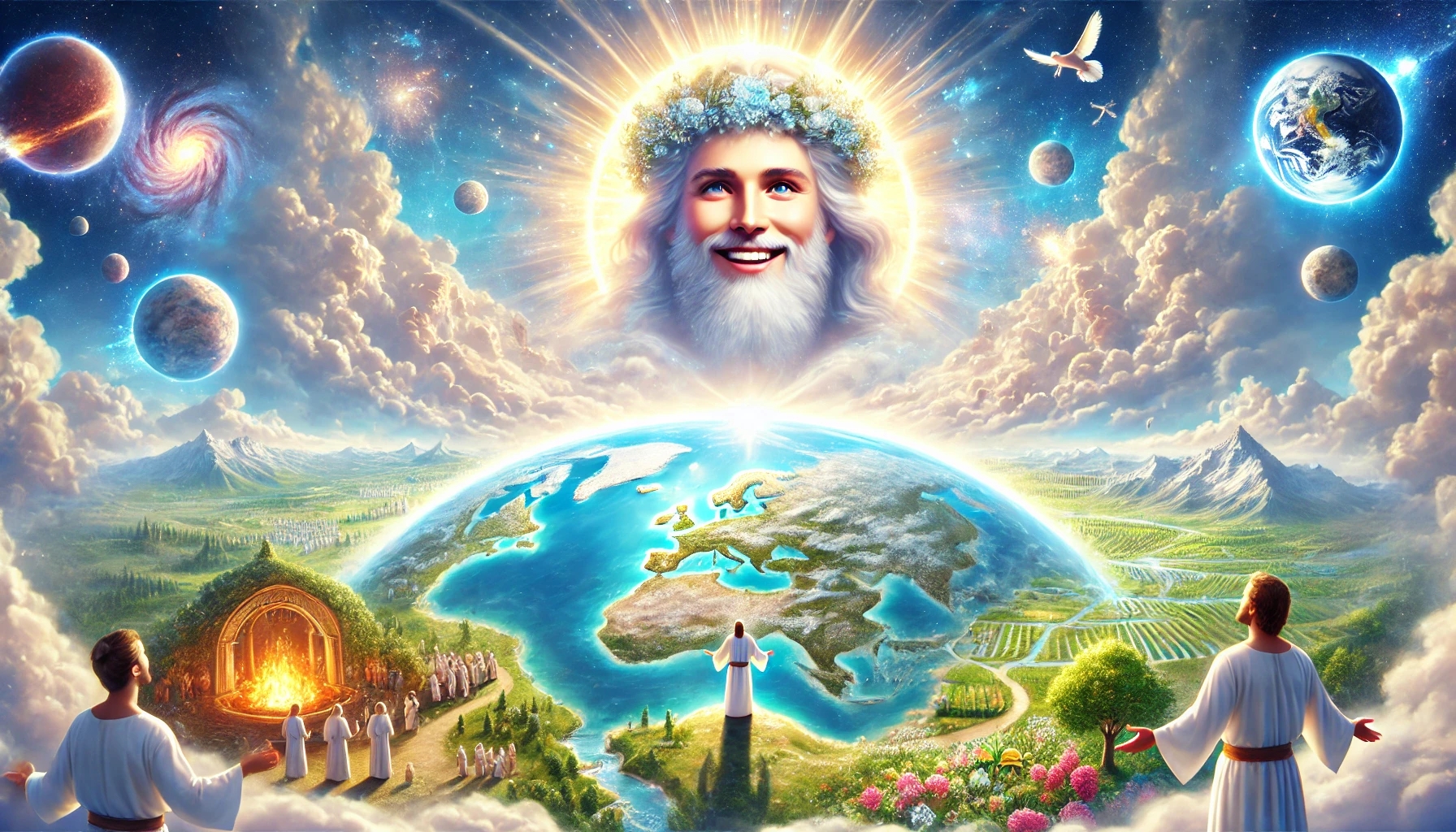
In the 21st century, we are confronted daily with news of conflicts, political upheavals, and natural disasters. Sometimes it feels as if our planet trembles under the winds of chaos and its foundations are collapsing. It is precisely in such times that biblical prophecy invites us to look beyond current turbulence. It promises not only symbolic images of shattered mountains or roaring seas, but an actual “reset” — the day when God Himself will create a new heaven and a new earth. Until then, we walk through days in which we are called to stand firm in faith, knowing that behind the scenes an unshakeable throne holds the world in His hand.
………………………………………………………………….
 Bible Study
1.Jeremiah 4:23–26
“I looked at the earth, and it was formless and empty; and at the heavens, and their light was gone.
I looked at the mountains, and they quaked; all the hills moved to and fro.
I looked, and there was no man, and all the birds of the heavens had fled.”
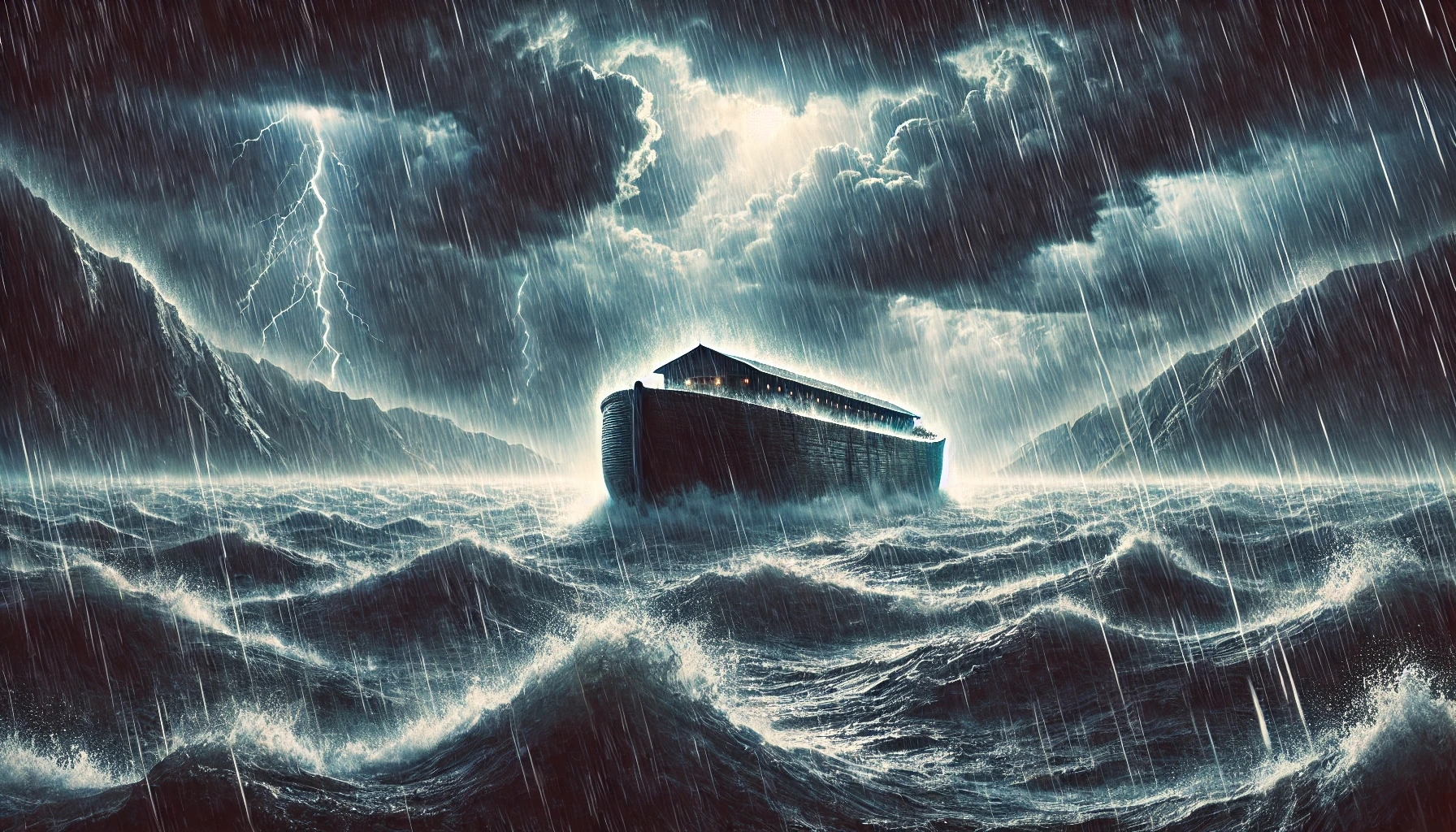
These shocking images teach us that God’s judgment will be both spiritual and physical. When the earth, sky, and mountains quake under the weight of divine wrath, they herald the end of the old order—a necessary cleansing before God begins His new creation. Until that day, the world experiences a foretaste of divine reversal, in which everything founded on sin is inevitably broken.
2.Daniel 7
Daniel’s vision reveals a “turbulent sea” from which four wild beasts rise in succession—symbols of successive world empires. None of these kingdoms endures, because none can truly meet humanity’s deepest needs—justice, peace, and redemption. Yet above all these tottering realms reigns the unshakable kingdom of God, whose ruler sits on an “eternal throne” (Dan. 7:13–14).
3.Psalm 46:7–8
“The nations rage, the kingdoms totter; he utters his voice, the earth melts.
The LORD of hosts is with us; the God of Jacob is our fortress.”
Here we hear God’s thunderous voice leveling every earthly power structure. At the same time, we are promised that those who trust Him will find protection and security, even if the world lies in ruins.
4.Matthew 24
Jesus warns that before His return, signs such as wars, famines, and earthquakes will increase. These events are not random disasters but signposts pointing to His great day. They remind us to remain watchful and steadfast in faith.
………………………………………………………………….
Answers to the Questions
 Question 1: Read Jeremiah 4:23–26. What do these verses tell us about the fate of this world, at least until there is “a new heaven and a new earth” (Rev. 22:1)?
Jeremiah 4:23–26 paints a scene of total destruction: no life, no light, no solid ground underfoot. These are not mere poetic exaggerations, but a realistic preview of the end of the old cosmos, before God creates the new. They teach us that God’s judgment affects physical creation itself. Until that day, the world increasingly experiences the removal of sin’s stain—through disasters, conflicts, and upheavals that dissolve everything corrupt. Yet in this process we are not lost: as citizens of God’s kingdom, we may know that behind the chaos an unshakeable throne holds authority and protects us.
Question 2: How does the prophecy in Daniel 7 help us recognize that, ultimately, all will be well for us if we remain faithful to God?
Daniel 7 illustrates that the power of human empires is only temporary. Every earthly empire, no matter how mighty it seems, is as fleeting as a wave stirred by a storm. In contrast stands God’s kingdom, resting in heavenly sovereignty. If we hold our citizenship in that eternal realm (Phil. 3:20), we can remain steadfast even amid chaos. The key is to place our hope not in earthly solutions, but in the rebirth of the heart by the Holy Spirit. Then we become part of that unshakeable kingdom that will triumph in the end, and can face the storms with unwavering confidence.
………………………………………………………………….
Spiritual Principles
-
God’s judgment touches all creation. Not only souls, but heaven and earth will be purified (Jer. 4:23–26).
-
Earthly kingdoms are transient. Their rise and fall serve God’s sovereign plan (Dan. 7).
-
God’s throne remains secure. Amid every disorder, He is our constant refuge (Ps. 46:7–8).
-
Citizens of heaven. Our true home is God’s kingdom, not earthly powers (Phil. 3:20).
-
Signs and admonition. End-time indicators call us to vigilance and faithful endurance (Mt. 24).
………………………………………………………………….
 Application in Daily Life
-
Maintain a heavenly perspective: When political crises or natural disasters arouse fear, remember God’s throne above the nations.
-
Pray daily: Ask for a longing for God’s kingdom, not merely for earthly security.
-
Seek faith community: Discuss biblical prophecy to encourage one another and live out hope together.
-
Serve others: While awaiting God’s final intervention, be a light in the darkness through practical help and prayer for those in need.
-
Renew your heart: Cultivate your relationship with God each day by meditating on His Word. This equips you when storms come.
………………………………………………………………….
 Conclusion
Biblical prophecy does not lead us into blind pessimism but grants supernatural confidence: though the powers of this world sink into chaos and destruction, God’s reign remains unshakeable. Those who place their trust in Jesus and embrace the principles of His kingdom may know that in the end, victory and renewal await all that has been broken.
………………………………………………………………….
 Thought of the Day
“When nations rage and kingdoms totter, the throne of God remains unshakeable.”
………………………………………………………………….
 Illustration – Unshakeable: Port Haven’s Testimony in 2030
As the first light of morning broke over Port Haven in 2030, the small coastal town lay in frozen silence. Years of political tension, regional famines, and environmental crises had worn down the bonds of community. Yet that dawn carried a breath of something new, as if the world held its breath before a great event.
Miriam stood at her home’s doorway, rebuilt by her own hands after the great 2025 storm. The shutters rattled as the storm’s vanguard approached, and she recalled the Psalm she’d marked in her Bible: “The nations rage, the kingdoms totter; the LORD of hosts is with us, the God of Jacob is our fortress.” Her trembling fingers traced the worn verse as if invoking a spell.
David, now an engineer with a climate-response team, set up filter pumps outside to turn saltwater into drinking water. His sketches of raging seas and tattered imperial banners still adorned his makeshift studio, reminders that no earthly kingdom endures—yet that behind all the tumult stands an unshakeable throne.
When the storm finally struck, gales tore at old sheds and ripped roof tiles free. Modern sea walls groaned under the pressure, driving floodwaters into the streets. Amid the chaos, members of the “Bedrock Fellowship” gathered in a converted shipping container warehouse. Candlelit lamps flickered on the walls as people of all ages pressed close to hear Scripture that gave strength. Miriam’s voice rose:
“I looked at the earth—and it was formless and empty… I looked at the heavens—and their light was gone… I looked at the mountains—and they quaked… I looked—and there was no man.”
Her words echoed like thunder through the damp air.
No one panicked. Instead, a quiet assurance spread that was stronger than any gale: a God who never sleeps, who guards His people even as earth trembles and sea roars. Hands reached across muddy boots; tears mingled with salt spray. David fetched water in a bucket not to pour concrete but to brew hot tea for the weary. “We’re citizens of another realm,” he murmured to a young mother clutching her child. “Our true home lies beyond the clouds.”
When the waters finally receded, Port Haven did not revert to its old harbor-town life. Debris piled high, yet in the wreckage began a reconstruction unlike any before: volunteers shored up damaged homes, solar panels rose on rubble heaps, and farmers planted community gardens with donated seed. No government’s commands guided them—people answered the ancient impulse to stand by one another.
A year later, as the sea lay calm and wind whispered through palm fronds, the survivors gathered again on that warehouse lot. A recycled-steel monument, emblazoned with “God’s Throne Remains Unshakeable,” stood in the twilight. Children played at its base while elders set up chairs and sang Psalms. Miriam, now teaching at the rebuilt coastal school, spoke of a hope no technology could replace: “When the world falls, we need a sure fortress—and that is our faith.”
David put an arm around her, and together they gazed at a star-lit sky brighter than ever. A distant rumble reminded them the task was not yet done. Yet now they knew the last word had already been spoken. As the Milky Way bathed the town in silver light, Port Haven’s hearts held a truth stronger than any storm: God’s kingdom is not of this world, and yet it is here among them—unshakeable, unwavering, eternal.
 May 27, 2025
 DAILY BIBLE READING
 Genesis 41 –Wisdom and Provision in Times of Plenty and Famine
 Joseph’s Interpretation of Pharaoh’s Dreams and His Rise to Save Egypt
 Bible Text – Genesis 41 (KJV)
 Introduction
 Commentary
 Summary
 Application for Today
 ~~~~~
~~~~~
 May 25 – 31, 2025
 (
(