
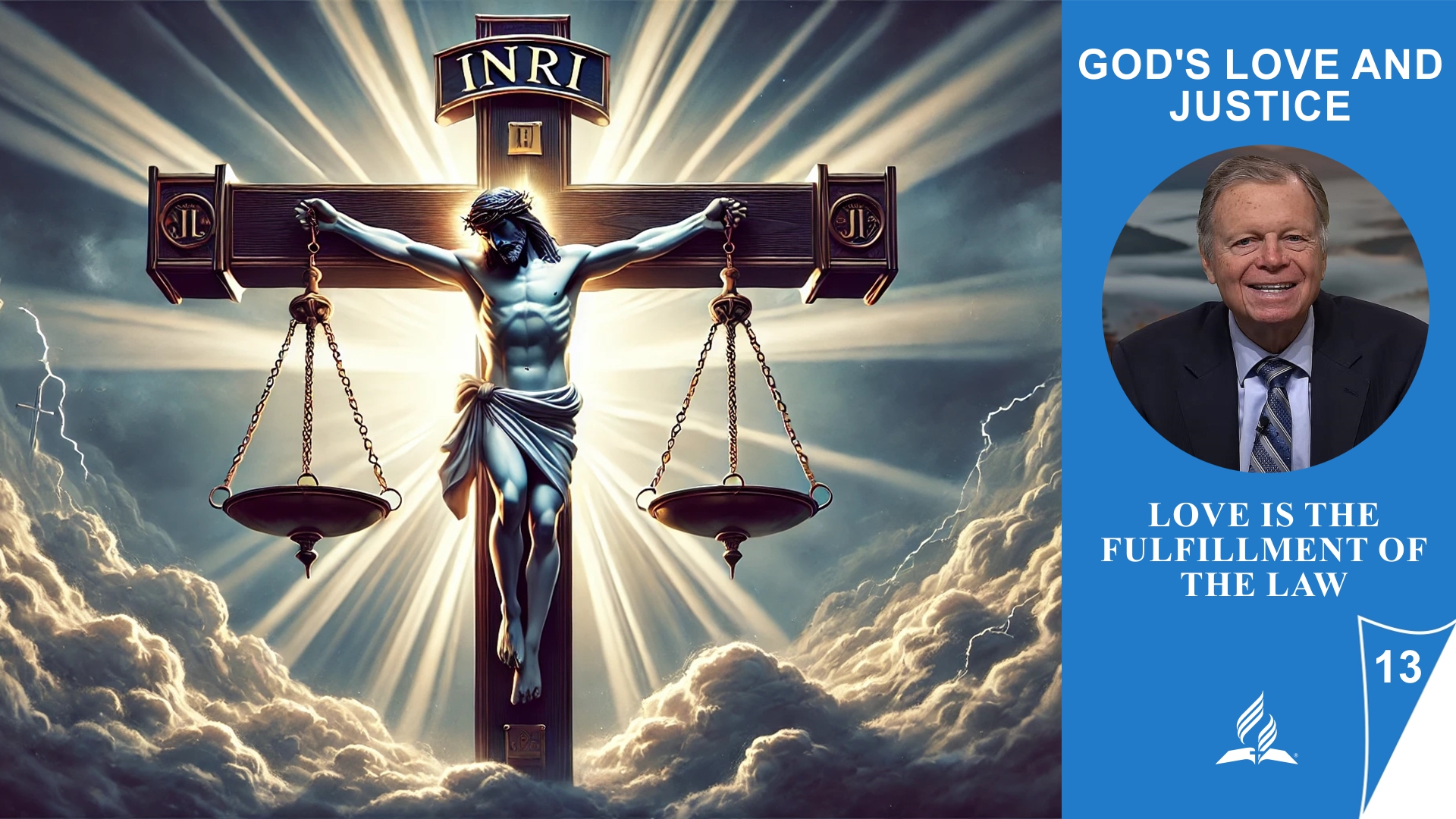
Adventist News Network – March 21, 2025: Adventists Enter the Metaverse & More Global News

Adventist News Network – March 21, 2025: Adventists Enter the Metaverse & More Global News |
This week on ANN: |
· From an immersive metaverse prayer event to a major lifestyle medicine initiative in Australia, Adventists worldwide share faith through innovation, mission, and service.
· Stay tuned as ANN brings everything you have to know about what is happening in the church worldwide.
Sunday: The Law of Love
Daily Lesson for Sunday 23rd of March 2025
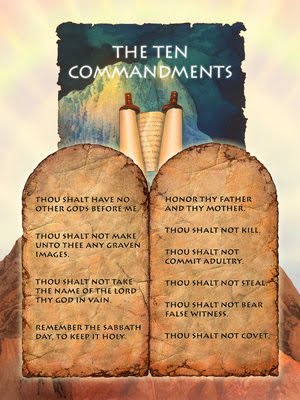
God’s law does not consist of abstract principles; instead, God’s law is an expression of relationship. This can be seen explicitly in the Ten Commandments. The basic principles of the Ten Commandments were in place already in the Garden of Eden, the principles of love that were to govern the relationship between God and people and between people themselves.
The Ten Commandments
When the Ten Commandments proclaimed in Exodus 20:1-26 were afterward written in stone, they were given to Israel in the context of the covenant relationship. The commandments were written down after the Lord already had delivered the people from Egypt, and the commandments were based on God’s love and on His promises to the nation (see Exodus 6:7-8 and Leviticus 26:12). One can see in the two divisions of the Ten Commandments that they are aimed at the flourishing of a human relationship with God and of relationships with one another.
Read Exodus 20:1-17. How do these verses reveal the two principles, those of love for God and of love for others?
The first four commandments deal with people’s relationships with God, and the last six with people’s relationships among themselves. Our relationship both to God and to other people must be regulated by the principles of God’s law.
These two parts of the law correspond directly to what Jesus identified as the two greatest commandments—“ ‘ “You shall love the Lord your God with all your heart” ’ ” (Matthew 22:37, NKJV; compare with Deuteronomy 6:5) and “ ‘ “You shall love your neighbor as yourself” ’ ” (Matthew 22:39, NKJV; compare with Leviticus 19:18).
The first four commandments are the ways in which we are to love God with all of our being, and the last six are ways we are to love one another as ourselves. Jesus makes it explicit that these two great love commandments are integrally related to the law. “ ‘On these two commandments hang all the Law and the Prophets’ ” (Matthew 22:40, NKJV).
The entirety of God’s law, then, is grounded in God’s love. God’s love and law are inseparable. We often hear people say, We don’t need to keep the law, we just need to love God and to love others. Why does that idea not make sense?
|
How could we express love to God, or love to others, if we are violating any one of the Ten Commandments? |
 (0)
(0)Editorial: The Good & the Bad of Sectarianism

Not long ago in a conversation with a friend I referred to Adventists as “sectarian.” She asked me what that meant. In case you don’t know either, let me try to explain. In terms of doctrines, Seventh-day Adventists share a great deal with most other Christians. But we have quite a different kind of identity. The […] Source: https://atoday.org/editorial-the-good-bad-of-sectarianism/
God First: Your Daily Prayer Meeting #950
"If you believe, you will receive whatever you ask for in prayer" (Matthew 21:22, NIV).
Tag someone in need of prayer, and kindly share your prayer requests here:
https://wkf.ms/3DBuapQ Source: https://www.youtube.com/watch?v=MCnwFLXB29E
SdS – L’amore e la giustizia di Dio – Lezione 13
L’AMORE RAPPRESENTA IL COMPIMENTO DELLA LEGGE
Approfondimento della tredicesima lezione del 1° trimestre 2025 con Mariarosa Cavalieri, Tamara Pispisa e Luca Faedda. 📩 Risorse per il 1° trimestre 2025:
🔗 https://uicca.org/1-trimestre-2025-lezione-13
🔗 https://uicca.org/nocciolo-1-trimestre-2025
🔗 https://uicca.org/edizioni-adv-1-trimestre-2025 Source: https://www.youtube.com/watch?v=6klRho4jBVs
The Great Controversy: How to Stand Firm in Christ
The Bible describes dramatic events that will take place just before Jesus returns: plagues, natural disasters, and global upheaval. But through it all, God’s people will be secure in His care, protected by His promises.
Join Ted Wilson, president of the Seventh-day Adventist Church, in this episode of The Great Controversy series as he explores what the Bible says about the fall of Babylon, the final moments before Christ’s return, and how we can trust in God no matter what happens. Download your free copy of The Great Controversy at thegreatcontroversyproject.org. The Seventh-day Adventist Church has been an established Protestant denomination since 1863. It is a global Christian family with over 21 million members who hold the Bible as the ultimate authority. The Adventist Church promises to help people understand the Bible to find freedom, healing, and hope in Jesus. Want to learn more about the Seventh-day Adventist Church? Visit our website at: https://www.adventist.org/ Click the notification bell so that you never miss a new video! Find us on social media by following the links below:
Facebook: theadventistchurch X: adventistchurch Instagram: adventistchurch Source: https://www.youtube.com/watch?v=jkK1lEdCavQ
Salmo 18:6 – Apri la porta del tuo cuore
“Nella mia angoscia invocai il Signore, gridai al mio Dio. Egli udì la mia voce dal suo tempio, il mio grido giunse a lui, ai suoi orecchi”. 📖 Salmo 18:6
—
💌 Apri la porta del tuo cuore
🗣 Speaker: Gioia Comia Source: https://www.youtube.com/watch?v=ZIGFZcCbASk
Vespers Mar 21, 2025 | The Great Controversy & Relationship — Angelo Carmona
The Great Controversy & Relationship — Angelo Carmona THANK YOU for your continued financial support of our Media Ministries. Please donate by visiting "https://adventistgiving.org/#/org/ANB4RC/envelope/start" and select “Media Ministries”. Connect With Us
X: RemnantSDA
Facebook: RemnantSDAchurch.org
Instagram: RemnantSDAchurch Source: https://www.youtube.com/watch?v=ZL67qGV9R0c
Lesson 12.Love and Justice: The Two Greatest Commandments | 12.7 Questions | THE GOD OF LOVE AND JUSTICE | LIVING FAITH



1.Why and in what way is it true that “every false religion … teaches its followers to be indifferent to human needs, suffering, and rights”? What concrete steps can we take to avoid such negligence in our local congregations and beyond?
False religions often concentrate on external rituals, dogmatic regulations, or selfish promises of salvation instead of on the profound meaning of love and justice that God requires of us. When a religion focuses solely on fulfilling personal duties or on strictly following rules, it can lead its adherents to become indifferent to the real needs and suffering of other people.
Why is this statement true?
-
Separation of Faith and Daily Life:
– False religions tend to reduce faith to spiritual practices while neglecting social responsibility.
– A person may appear pious yet remain indifferent to poverty, injustice, and oppression.
-
Self-Centered Piety:
– Many religious systems teach a works-based righteousness that focuses on earning personal rewards rather than on selfless service to others.
– Instead of practicing mercy, followers focus on “merits” that benefit only themselves.
-
Hierarchical and Exclusive Thinking:
– Some religions or religious groups teach that only their members are “saved” or “worthy,” while outsiders are not considered “neighbors.”
– This fosters indifference or even contempt toward other groups of people.
-
Ignorance of Social Justice:
– In false religious systems, suffering is often seen as “divine punishment,” thereby avoiding the responsibility to help.
– This can lead to a resigned attitude toward societal issues such as poverty, racism, and exclusion.
What can we do to avoid such indifference?
-
Understand and Live the Biblical Teaching Correctly:
– Jesus demonstrated that true piety does not consist of religious rituals but of lived love (Matthew 22:37–40).
– Churches should regularly emphasize that neighborly love is a central component of faith.
-
Shape the Community as an Active Helping Fellowship:
– Promote programs that support the needy, refugees, or the socially disadvantaged.
– Place practical projects such as food banks, pastoral care, and diaconal work at the center.
-
Raise Awareness for Social Injustice:
– Take biblical prophecy seriously: The prophets of the Old Testament consistently demanded social justice (Isaiah 1:17; Micah 6:8).
– Speak out against current injustices and actively engage as a community against them.
-
Connect Faith with Concrete Actions:
– “Faith without works is dead” (James 2:17).
– Churches should not only preach but also give testimony through tangible acts of love.
-
Self-Examination:
– Every Christian should regularly ask:
 Am I more occupied with religious duties than with genuine neighborly love? Do I see the need in my surroundings – or do I consciously overlook it? Am I acting as Jesus would?
Conclusion
A religion that does not lead to love and active commitment to the weak is a dead religion. Jesus himself criticized the Pharisees for placing external piety above mercy and justice (Matthew 23:23). Our challenge is to live our faith in such a way that it affects not only our souls but also transforms the world around us with God’s love.
2.Who is My Neighbor? Who is Your Neighbor? In What Practical Way Should Following Christ Make Us More Like the Samaritan, Who Transcended the Boundaries of His Time to Practice Love?
Who is my neighbor? Who is your neighbor?
Jesus answered this question with the parable of the Good Samaritan (Luke 10:25–37). His radical example shows that our neighbor is not only the one who is close to us, but every person in need—regardless of origin, religion, or social status.
In Jewish society at the time of Jesus, Samaritans were regarded as enemies. Nevertheless, it was the Samaritan who showed mercy while the religious elites—the priests and Levites—passed by indifferently. This makes it clear:
Neighborly love knows no boundaries.
Our neighbor is not only our friend but also the stranger, the needy, and even the enemy.
Today this means:
 Our neighbor is the homeless person we ignore daily.
Our neighbor is the refugee seeking shelter in our country.
Our neighbor is the child from a troubled background who needs love and support.
Our neighbor is the co-worker who feels lonely, or the elderly lady in the neighborhood who rarely receives visitors.
The question is not: “Who is my neighbor?” but: “Am I a neighbor to others?”
How should following Christ make us more like the Samaritan?
Following Christ means adopting His attitude—a stance that transcends boundaries in order to love.
 What did the Samaritan do concretely?
He stopped and took notice—he saw the need and did not ignore it.
He acted—he bandaged the wounds of the man.
He invested in others—he paid for the care of the injured.
He expected nothing in return—his help was selfless.
 In practical steps, this means for us today:
 Seeing: Do we notice people in need, or are we too busy with our own lives?
Helping: Are we content with just words, or do we engage in real acts of love?
Investing: Are we willing to give our time, money, and energy for others?
Without conditions: Do we help out of pure love or only when it benefits us?
Transcending Boundaries—Living Neighborly Love Today
 Social and Cultural Boundaries:
Samaritans and Jews were enemies, yet the Samaritan overcame enmity through love. We, too, are called to break down prejudices. This could mean:
Engaging openly with people from other cultures rather than excluding them.
Building bridges between social strata—helping not only those who are like us.
Emotional Boundaries:
Sometimes pride or fear prevents us from reaching out to others. Jesus challenges us to love even those who are difficult, to forgive, and to work toward reconciliation.
Leaving Our Comfort Zones:
Neighborly love often means making oneself uncomfortable for the sake of others—sacrificing time, giving money, and standing up for justice.
Conclusion: Living a Life in the Love of Jesus
A Christian who truly follows Jesus will not ask about boundaries but will seek opportunities to show love.
Be the one who stops to help.
Be the one who does not merely “pass by.”
Be the one who acts, rather than merely feeling pity.
For true discipleship means not only speaking about love but living it—every day, for every person. 
3.If God Loves Justice and Mercy, How Should We Act in Accordance with What Is Most Important to God? How Can We Focus More on What Jesus Calls “The Greatest Commandment in the Law”?
God loves justice and mercy—so how do we act in accordance with Him?
The Bible makes it clear that justice and mercy are not optional but central values of God. In Micah 6:8 it is stated:
“He has shown you, O man, what is good; and what does the LORD require of you but to do justly, to love mercy, and to walk humbly with your God.”
Jesus himself emphasized in Matthew 23:23 that the most important part of the Law is not merely about religious duties but involves:
Justice – advocating for truth and fairness.
Mercy – putting compassion into action.
Faith – leading a genuine, trustful life with God.
How do we act in accordance with God’s heart for justice?
1. Living Justice – Not Just Expecting It
God expects us to actively pursue justice—in our families, in our congregations, and in society.
In the family: Treat your neighbors fairly, respectfully, and lovingly.
In the church: Create an atmosphere of acceptance and support, without excluding anyone.
In society: Stand up against injustice—support the poor, the disadvantaged, and the oppressed.
“Defend the cause of the weak and fatherless; uphold the rights of the afflicted and oppressed.” (Psalm 82:3)
2. Showing Mercy – Not Just Preaching It
Jesus was not only just, but also full of compassion. He encountered tax collectors, sinners, the sick, and outcasts with love. We can imitate this by:
Avoiding judgment of others and instead offering help.
Forgiving, even when it is difficult.
Consciously living out kindness and compassion in daily life.
“Be merciful, just as your Father is merciful.” (Luke 6:36)
3. Expressing Faith Through Action
Faith is not merely a theoretical concept but an attitude of the heart that is manifested in actions.
Putting God first instead of simply following rules.
Connecting faith with works—living out neighborly love in practical ways.
Not only being devout in church, but reflecting God’s love every day.
“Faith without works is dead.” (James 2:26)
How can we focus more on what Jesus calls “the greatest commandment in the Law”?
 1. Set Priorities Correctly:
Focus not only on external religious duties but also on the disposition of the heart.
2. Act Consciously Every Day:
Look for opportunities to live justly, mercifully, and faithfully—whether at work, at home, or with strangers.
3. Take Jesus as Your Example:
He reached out to the poor, the oppressed, and the lost. Let us do the same.
Conclusion: A Life According to God’s Standard
If God loves justice and mercy, then we are called to live them out—not just in grand social movements, but in our daily lives, our decisions, and our interactions with others.
Act justly.
Be merciful.
Follow God humbly.
This shows that we truly understand what is most important to God.
4.When We Reflect on and Discuss Judgment, How Often Do We Emphasize That Jesus Considers Judgment Primarily in Terms of Whether and to What Extent We Actively Love Others, Especially the Oppressed and Enslaved? Consider This in the Context of Matthew 25:31–46.
In Matthew 25:31–46, Jesus describes the final judgment. He makes one thing clear: the criterion for judgment is not solely what we have believed, but how we have treated others—especially the needy, the weak, and the oppressed.
“Truly, I say to you, as you did it to one of the least of these my brothers, you did it to me.” (Matthew 25:40)
Jesus contrasts two groups:
-
The Righteous (the Sheep): They fed the hungry, gave drink to the thirsty, welcomed strangers, clothed the naked, visited the sick, and cared for prisoners.
-
The Unrighteous (the Goats): They did not do these things.
What does this mean for our understanding of judgment?
Often, when we think of “judgment,” we focus on God’s punishment for sin or on whether we have kept all the commandments. However, Jesus presents another perspective:
Judgment reveals how our love for God is reflected in our love for people.
It is not just about personal piety but about living out neighborly love.
Our attitude toward the needy is a reflection of our relationship with Jesus.
Why does Jesus view judgment from this perspective?
-
God Identifies with the Afflicted:
– Whoever helps the poor is serving God Himself.
– Whoever ignores the suffering of the weak, ignores God.
-
True Justice is Active Love:
– Faith without works is dead (James 2:26).
– A life lived according to God’s will is evident through concrete actions.
-
Our Responsibility Does Not End with Words or Prayer:
– The “sheep” help without expecting anything in return.
– The “goats” only care for themselves and ignore the suffering around them.
“For I was hungry, and you did not feed me; I was thirsty, and you did not give me something to drink…” (Matthew 25:42)
How can we prepare ourselves?
Do not remain passive: Actively reach out to people in need.
Act consciously: Practice justice and mercy in both small and large matters.
See with Jesus’ eyes: Recognize the image of God in every person, especially the weak.
Conclusion
Judgment will not be a theological test of knowledge but a revelation of how truly we have lived the Gospel.
Have we fed the hungry?
Have we visited the lonely?
Have we loved our neighbors as Jesus did?
If we act deliberately in this way today, we need not fear judgment. Then we will one day hear from Jesus:
“Come, you who are blessed by my Father, inherit the kingdom prepared for you from the foundation of the world!” (Matthew 25:34)
- « Previous Page
- 1
- …
- 713
- 714
- 715
- 716
- 717
- …
- 5099
- Next Page »

