"If you believe, you will receive whatever you ask for in prayer" (Matthew 21:22, NIV).
Tag someone in need of prayer, and kindly share your prayer requests here:
https://wkf.ms/3DBuapQ Source: https://www.youtube.com/watch?v=zDmt4JwrE9U
Hope for the Backslider | Regie Samuel | Bible Study | July 30, 2025
No Wound Too Deep for Grace to Heal Source: https://www.youtube.com/watch?v=Sm_bQIRZoYE
Adventists Support Displaced Families in Cambodia-Thailand Border Dispute
As tensions flared along the Cambodia–Thailand border, the recent conflict has displaced tens of thousands of civilians in both countries. In the face of devastation, the Seventh-day Adventist Church has stepped up to offer refuge, compassion, and… Source: https://adventist.news/news/adventists-support-displaced-families-in-cambodia-thailand-border-dispute
Australian Wellness Centre of Influence Honored with Local Hero Award
One of Australia’s largest logistics and transport infrastructure companies, Downer Corporation, with more than 33,000 employees, has recognized weExplore Wellness Centre with its Local Hero Award and a financial donation on July 4, 2025. Based in… Source: https://adventist.news/news/australian-wellness-centre-of-influence-honored-with-local-hero-award
AdventInnovate: Seeking What They Sought
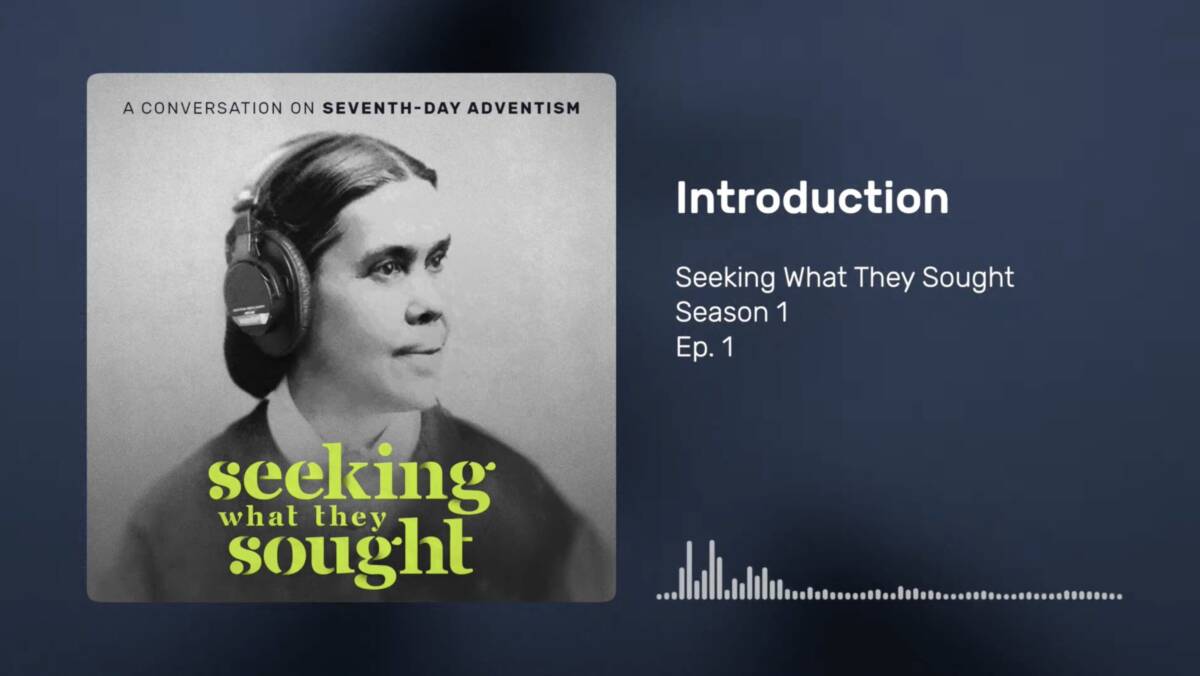
Seeking What They Sought is a podcast that explores Adventist culture and traditions through the lens of biblical principles. Each episode features thoughtful interviews with individuals who have played prominent roles in the Adventist community, engaging them with honest and pressing questions. The podcast seeks to capture the original vision of the early Adventist pioneers—what […] Source: https://atoday.org/adventinnovate-seeking-what-they-sought/

