
• Home
  • Devotionals
  • BiblePhone
  • Blogs
  • TV
  • Prayer
    • Submit Prayer Request
    • Prayer Requests List
  • Contact us
  • Romanian

Intercer Adventist News

Closer To Heaven

  • About us
    • About Adventist Church
    • About Intercer Adventist News
    • About Intercer
    • About Lucian Web Service
    • Latest News
    • Romanian Church News
  • News and Feeds
    • Intercer Adventist News
    • 60 Second SlideShows
    • “Adventist Tweets” Paper
    • Adventists on Twitter
    • Adventists on Google Plus
    • Bible Resources
      • Adventist Universities Daily Bible
      • Answers For Me
        • Dear God
        • Healthy Living
        • Life Notes
        • Spiritual applications
        • Vegetarian recipes
      • Better Sermons
        • Spirit Renew Quotes
      • Daily Bible Promise
      • E-GraceNotes
        • Bible Says
        • City Lights
        • Family First
        • Staying Young
      • Story Harvest
        • Personal Stories
      • SSNet.org
    • Churches & Organizations
      • Adventist News Network
      • Adventist Review
      • Adventist World Radio
      • Avondale College
      • Babcock University Nigeria
      • BC Alive
      • British Union Conference
      • Canadian Adventist Messenger
      • Canadian Union
      • North American Division News
      • Outlook Magazine
      • PM Church – Pastor’s Blog
      • Potomac Conference
      • Record Magazine – Australia
      • Review and Herald
      • Trans-European Division
      • Washington Conference
    • Health
      • Dr.Gily.com
      • Vegetarian-Nutrition.info
    • Ministries
      • 7 Miracle (Youth)
      • A Sabbath Blog
      • Adventist Blogs
      • Adventist Today
      • ADvindicate
      • Creative Ministry
      • Grace Roots
      • Romanian Church News
      • Rose’s Devotional
      • UNashamed
    • Personal
      • Alexandra Yeboah
      • Iasmin Balaj
      • Jennifer LaMountain
      • McQue’s View
      • Refresh with Tia
      • Shawn Boonstra
  • Sermons & Video Clips
    • Churches
      • Downey Adventist Church
      • Fresno Central SDA Church
      • Hillsboro Adventist Church
      • Mississauga SDA Church
      • New Perceptions Television (PM Church)
      • Normandie Ave SDA Church
      • Remnant Adventist Church
    • Organizations
      • Adventist News Network (ANN)
      • ADRA Canada
      • Adventists About Life
      • Adventist Education
      • Adventist Mission
      • Amazing Facts
      • Adventist Church Connect
      • BC Adventist
      • Church Support Services
      • In Focus (South Pacific)
      • IIW Canada
      • NAD Adventist
      • NAD Church Resource Center (Vervent)
      • NARLA
      • Newbold
      • Review & Herald
      • SECMedia
      • Video Avventista (Italy)
    • Ministries
      • 3AngelsTube.com
      • Answered.TV
      • AudioVerse.org
      • AYO Connect
      • Christian Documentaries
      • GAiN #AdventistGeeks
      • GYC
      • Intercer Websites
      • Josue Sanchez
      • LightChannel
      • Pan de Vida
      • Revival and Reformation
      • Stories of Faith
      • SAU Journalism/Communication
      • Spirit Flash
      • The Preaching Place (UK)
      • Toronto East Youth Nation
    • Personal
      • Esther-Marie Hartwell
      • McQuesView
      • Pastor Manny Cruz
    • Sabbath School
      • Ecole du Sabbat Adventiste
      • Sabbath School Audio Podast
      • Sabbath School daily
  • Resources
    • Bible and Bible Studies
    • Health
    • Music
  • All articles
  • G+ News & Marketplace
    • G+ News & Marketplace Group
    • G+ Page
You are here: Home / Archives for Adventist Sermons & Video Clips / Fulfilled Desire

Psalms – Lesson 6: I Will Arise | Sabbath School with Pastor Mark Finley

February 3, 2024 By admin

Series PSALMS with Pastor Mark Finley  |
Lesson 6.I Will Arise  |
Lesson 6 delves into the Psalms to explore various aspects of God’s character. The Psalms vividly portray God as a mighty warrior and judge, fiercely combating evil and liberating His people. Simultaneously, they underscore His special care for the weak and oppressed. The lesson invites an exploration of the multifaceted nature of God through the inspirational texts of the Psalms.
Memory Text: Psalm 12:5 – “‘For the oppression of the poor, for the sighing of the needy, now I will arise,’ says the Lord; ‘I will set him in the safety for which he yearns’” 
Content:
6.1 The Mighty Warrior

Psalms 18:4–19; 76:4–10.13 and 144:5–7 present the Lord as a powerful warrior and judge, protecting His people from evil forces. These verses reveal God’s determination and action against threats to His people. The imagery of hail, lightning, and arrows emphasizes the severity and urgency of His response. King David emphasizes that liberation ultimately comes through God’s power, not human means, praising God as the sole liberator and sustainer of His people.
6.2 Justice for the Oppressed
The Psalms emphasize God’s special concern for the oppressed, poor, and disadvantaged. These texts remind us that justice and care for the weak are central aspects of God’s divine nature. The Psalms call for resistance against oppression and encourage placing trust not solely in human methods but in God’s wisdom. The Christian message complements this by identifying Christ with the poor and promising eternal life, while Jesus, as the divine judge, will rectify any mistreatment of the disadvantaged.
6.3 How Long Will You Judge Unjustly?
Psalm 82 admonishes the leaders of Israel to use the authority given by God for justice. The accusations against the “gods” in this Psalm refer to human leaders neglecting their duties and oppressing the people. This serves as a stark warning that abuse of power and injustice before God does not go unnoticed. The Psalm emphasizes the leaders’ responsibility to align with God’s will, emphasizing that their authority should be based on faithfulness to God, not human strength. It reminds everyone, leaders and people alike, that ultimately, they will be held accountable before God.
6.4 Pour Out Your Indignation
Psalms 58:7–9; 69:23–29; 83:10–17; 94:1–2 and 137:7–9 convey a mood of outrage and pain in the face of injustice and oppression. The psalmists call for divine retribution and implore God to avenge those who have caused harm. Despite these Psalms contrasting with the teaching of enemy love, they simultaneously show the psalmist taking justice seriously and being concerned about evil in the world. The Psalms prophetically announce God’s impending judgment, expressing the agonizing experiences of the suffering. God’s retribution is seen as an expression of justice and grace, encouraging prayers for the repentance of oppressors and hope for the coming of God’s kingdom.
6.5 The Lord’s Judgment and the Sanctuary
Psalms 96:6–10; 99:1–4 and 132:7–9.13–18 emphasize the close connection between God’s judgment and the sanctuary. The sanctuary is depicted as the place of divine judgment where the world is judged for sin and wickedness. This connection helps us understand that the sanctuary is not only the place of forgiveness but also the place where righteousness is restored. It highlights that God’s holiness forms the basis for justice and righteousness that His people should aspire to. The sanctuary is, therefore, the place of forgiveness and restoration, while God’s judgment punishes the evil deeds of unrepentant individuals. The Psalms evoke joyful anticipation of God’s arrival as a judge, particularly on the Day of Atonement. Similarly, the Psalms reinforce the certainty of the imminent arrival of the divine judge, Jesus Christ, in the heavenly sanctuary.
6.6 Summary
Lesson 6 underscores the portrayal of God’s power as a mighty warrior and judge through the Psalms. The texts reveal God’s resolute and powerful response to His people’s suffering. King David, himself a successful warrior, emphasizes that liberation ultimately comes from God’s hand, urging recognition of God as the sole liberator and sustainer. Simultaneously, other Psalms highlight God’s special concern for the oppressed, urging a commitment to justice.

Source: https://fulfilleddesire.net/psalms-lesson-6-i-will-arise-sabbath-school-with-pastor-mark-finley/

Share this:

  • Share on Facebook (Opens in new window) Facebook
  • Share on LinkedIn (Opens in new window) LinkedIn
  • Share on X (Opens in new window) X
  • Share on Pinterest (Opens in new window) Pinterest

Like this:

Like Loading…

Filed Under: Adventist Sermons & Video Clips, Fulfilled Desire, Sabbath School

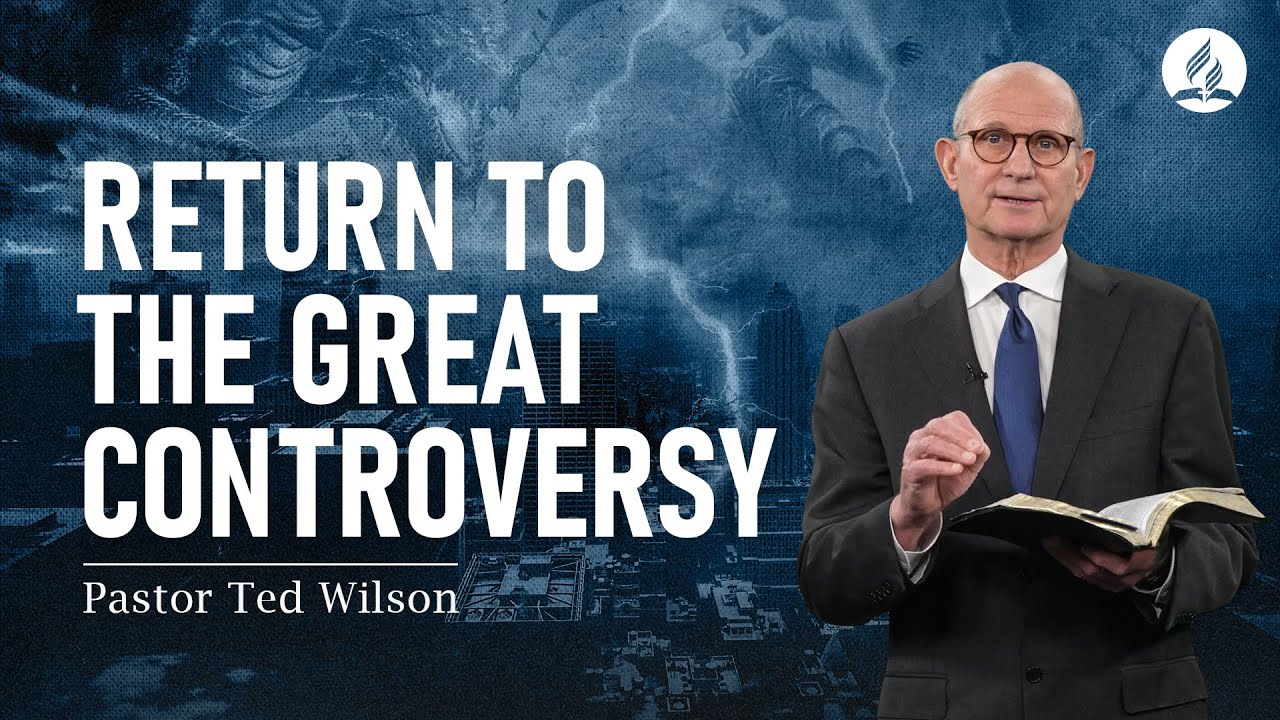
The Great Controversy : A Quick Review | Pastor Ted Wilson

February 2, 2024 By admin

– Join Pastor Ted Wilson, president of the Seventh-day Adventist Church, as he continues to explore “The Great Controversy” by Adventist pioneer, Ellen G. White.
As the Adventist Church’s Missionary Book of the Year for 2023 and 2024, discover how this book, inspired by the Holy Spirit, delves into the great conflict between good and evil and sheds light on the spiritual battle behind many historical events. Learn about the nature of inspiration and the special manifestation of the Holy Spirit in the last days.
Don’t miss this opportunity to deepen your understanding of God’s plans for our world and to be transformed by this book.
Want to know more?
Download your free copy in multiple languages at greatcontroversyproject.org and invite a friend to join this enlightening journey.

Source: https://fulfilleddesire.net/the-great-controversy-a-quick-review-pastor-ted-wilson/

Share this:

  • Share on Facebook (Opens in new window) Facebook
  • Share on LinkedIn (Opens in new window) LinkedIn
  • Share on X (Opens in new window) X
  • Share on Pinterest (Opens in new window) Pinterest

Like this:

Like Loading…

Filed Under: Adventist Sermons & Video Clips, Fulfilled Desire

Adventist News Network – February 2, 2024

February 2, 2024 By admin

Adventist News Network – February 2, 2023  |
This week on ANN:  |
On this 2023 retrospective episode of ANN International, the first Museum of Biblical Archaeology in South America is inaugurated at Adventist University in Brazil.  |
The prince of Eswatini, in Africa, is baptized. Twenty-four individuals, including four from the prince’s personal security, also accepted Jesus Christ as their Savior.  |
Also, ADRA, the Adventist Development and Relief Agency, has been making a global impact by empowering communities in Southern India for sustainable development, such as with the establishment of Organic Kitchen Gardens.  |
Stay tuned as ANN brings you these captivating stories and provides coverage of other global news.

Source: https://fulfilleddesire.net/adventist-news-network-february-2-2024/

Share this:

  • Share on Facebook (Opens in new window) Facebook
  • Share on LinkedIn (Opens in new window) LinkedIn
  • Share on X (Opens in new window) X
  • Share on Pinterest (Opens in new window) Pinterest

Like this:

Like Loading…

Filed Under: Adventist News Network, Adventist Sermons & Video Clips, Fulfilled Desire

Lesson 5: Singing the Lord’s Song in a Strange Land | 5.6 Summary

February 1, 2024 By admin

5.6 Summary
In the fifth lesson, “Singing the Lord’s Song in a Foreign Land,” the focus is on Psalms that describe the experience of God’s children in the midst of suffering, injustice, and the challenge of evil. Various Psalms illuminate the emotional journey of the psalmists through crises, doubts, and the search for comfort and hope. Summary of Key Themes:

  1. Dealing with Suffering and Crises:
    • The Psalms reflect the real challenges faced by believers, whether it’s personal suffering, the presence of evil in the world, or the apparent absence of God.
  2. God’s Action in the Midst of Evil:
    • The Psalms emphasize the certainty that God acts in the midst of suffering and injustice. They call for hope in God’s justice even when evil seems to temporarily prosper.
  3. Change of Perspective in the Sanctuary:
    • A central aspect is the change of perspective that occurs in the sanctuary. There, the psalmists recognize God’s sovereignty and gain insight into God’s greater plans despite present challenges.
  4. Trust in God’s Character:
    • The Psalms encourage trusting in God’s character and faithfulness despite apparent injustice. The promises of God’s judgment and justice provide comfort and hope.
  5. Confession, Repentance, and Hope:
    • The psalmists confess their folly, seek repentance, and turn back to God. This leads to a deep hope based on the certainty that God hears their prayers and acts justly.
  6. Redemption through Christ:
    • The lesson concludes with a look at redemption through Christ. The certainty that Christ will return to establish justice gives believers hope and comfort amid challenges. Overall, the lesson “Singing the Lord’s Song in a Foreign Land” teaches the importance of holding onto God’s sovereignty amid difficulties, hoping in His justice, and relying on the hope of redemption through Christ. The change of perspective in the sanctuary and trust in God’s character are at the center of these instructive Psalms.

Comfort and Hope: Psalms as Companions in Daily Life

The lesson “Singing the Lord’s Song in a Foreign Land” has several relevant connections to our everyday lives and faith:
  1. Dealing with Suffering:
    • Psalms remind us that suffering and challenges are a natural part of life. In daily life, these Psalms can encourage us to bring our own difficulties before God and hope for His guidance and comfort.
  2. Change of Perspective in Crises:
    • When faced with personal crises, the lesson can inspire us to seek a change of perspective. By consciously remembering God’s sovereignty and justice, we can look beyond current difficulties to a greater hope.
  3. Trust in God’s Character in Daily Life:
    • Psalms encourage us to trust in God’s character and faithfulness in our daily lives. Regardless of the challenges we encounter, faith in God’s goodness and justice can strengthen us on our journey.
  4. Confession and Repentance:
    • In everyday life, we can learn from the psalmists to approach God honestly, confess our folly, and seek repentance. This attitude fosters a deep relationship with God and allows us to rest in His forgiveness and grace.
  5. Hope in Christ in Daily Life:
    • The certainty of redemption through Christ impacts our daily lives by providing unwavering hope. We can live each day in anticipation of Christ’s return, influencing our actions and decisions.
  6. Solidarity with the Suffering:
    • In our daily lives, we can empathize with those who suffer. The Psalms encourage expressing compassion and support while collectively hoping for God’s justice.
  7. Prayer as Communication with God:
    • Psalms are expressions of prayer, and in daily life, they remind us of the importance of communicating with God. Prayer allows us to bring our thoughts, concerns, and joys before God and maintain a deep connection with Him. Overall, the themes of this lesson provide practical applications for our daily lives and faith. They encourage us to trust in God’s sovereignty and justice amid the highs and lows of life, relying on the hope in Christ.

Discussion Questions:

1.What tensions did the psalmists experience in the face of evil? What similar tensions have you experienced, and how have you dealt with them? How do you maintain your faith in these times?

The psalmists experienced various tensions in the face of evil, as evident in the Psalms. Some of these tensions include:

  1. Feeling of God’s absence: The psalmists sometimes felt abandoned by God or experienced apparent absence, leading to deeper spiritual tension.
  2. Injustice in the world: Observing injustice and the triumph of the wicked created tension between God’s justice and the apparent lack of punishment for evil.
  3. Personal suffering: Some Psalms describe personal suffering, whether through illness, persecution, or other forms of distress. This tension between pain and God’s goodness was often prominent.
  4. Doubts and tests of faith: The psalmists had times of doubt and testing of their faith, leading to internal tension between trust and uncertainty.

Similarly, many people have experienced similar tensions:

  1. Feeling of God’s distance: In times of difficulty or loss, believers may feel that God is distant. This creates tension between the desire for divine closeness and the perceived absence.
  2. Injustice in the world: Observing injustice and suffering can raise questions about God’s justice, creating tension between understanding God’s sovereignty and desiring a just world.
  3. Personal suffering: Illness, loss, or personal challenges create tension between trusting in God’s goodness and experiencing hardship.
  4. Doubt and faith tests: Phases of doubt or personal challenges can lead to internal tension between faith and the search for answers.

Dealing with these tensions and maintaining faith often requires:

  • Prayer and community: Communication with God and interaction with other believers offer comfort and a change in perspective.
  • Biblical reflection: Immersing oneself in biblical texts, including the Psalms, can be a source of encouragement and wisdom.
  • Self-examination and humility: The willingness to examine one’s heart and beliefs allows for a deep understanding of God’s ways.
  • Hope in Christ: Awareness that Christ is the source of hope and redemption helps maintain faith in challenging times.
  • Perseverance and patience: Understanding that God’s timetable is often different than human understanding requires perseverance and patience in the faith journey.

Individual experiences and coping strategies may vary, but the connection to God, the Bible, and the community of believers plays a crucial role in navigating these tensions.


2.Where should we seek answers when our faith in God is tested by trials or by people whose own suffering leads them to question the goodness and power of God?

When our faith in God is tested, especially by trials or by people whose own suffering causes them to question the goodness and power of God, we can seek answers in various areas:

  1. The Bible:
    • The Holy Scripture is a central source for answers to questions of faith. The Bible contains numerous texts addressing suffering, the goodness of God, and the challenges of faith. For example, Psalms, the Book of Job, the New Testament letters, and the teachings of Jesus provide insights into these topics.
  2. Prayer and Relationship with God:
    • In prayer, we can bring our questions, doubts, and challenges directly to God. A deeper relationship with God allows us to seek understanding in dialogue with Him and be guided by His Spirit.
  3. Community of Believers:
    • Engaging with other believers and participating in communities provide opportunities to share experiences and learn from one another. The diversity of faith stories and the support of the community can be strengthening and encouraging.
  4. Theological Teachings and Sermons:
    • Theological resources and sermons can contribute to understanding theological perspectives on suffering and God’s character. Theologians and preachers often provide explanations of biblical teachings that can help clarify difficult questions.
  5. Christian Literature:
    • Books and articles by Christian authors addressing matters of faith and theological themes can offer additional perspectives and insights.
  6. Historical Theologians and Faith Role Models:
    • The teachings and experiences of past theologians and faith role models can be inspiring and instructive. Their writings and life stories can provide wisdom and encouragement in times of doubt.
  7. Pastoral Care:
    • Seeking help from pastors or spiritual mentors can be an important resource. These individuals can offer personal support and guidance, helping to navigate individual challenges of faith.

It is essential to seek balanced and biblically grounded answers from these sources. Additionally, maintaining humility, being led by the Holy Spirit, and being open to growth in faith, even when not all questions can be fully answered, are helpful attitudes in such times.


3.How do you answer the frequently asked question about evil in a world created and sustained by an all-powerful God of love? How does the Great Controversy motif help address this challenging question—at least partially?
The question about evil in a world created and sustained by an all-powerful God of love is a profound and complex issue that has long occupied theologians and believers. The Great Controversy motif, present in various religious traditions, including Christian doctrine, seeks to address this challenging question, at least in part. Here are some possible approaches:
  1. Free Will and Responsibility:
    • The concept of free will emphasizes that God has granted humans the freedom to choose between good and evil. Evil arises from the decisions of free moral agents (both humans and angels) rather than from a lack of God’s goodness.
  2. Influence of Satan and Evil Forces:
    • The Great Controversy motif depicts a conflict between God and Satan, involving fallen angels and malevolent powers. These rebellious forces seek to undermine God’s creation and are sources of evil in the world.
  3. Necessity of Testing and Maturation:
    • Some theological approaches underscore that trials and challenges, including the existence of evil, are necessary for spiritual growth. In such trials, the character and loyalty of created beings are revealed.
  4. God as Judge and Redeemer:
    • The idea that God acts as a judge, and that there will be a final judgment where evil is defeated, provides hope. God’s redemptive work through Christ enables the overcoming of evil, ushering in a new creation.
  5. Limited Human Perspective:
    • The Bible teaches that God’s thoughts and ways are superior, and human perspective is limited. There might be things beyond our complete understanding, and trust in God’s actions and promises is emphasized.
  6. Call to Love and Justice:
    • The Christian commandment of love and justice encourages believers to actively combat evil and be part of the solution. The community of believers is urged to bring light into the world.
The Great Controversy motif underscores an active conflict between good and evil, explaining the reality of suffering and challenges. Simultaneously, it assures believers of the certainty that God will ultimately triumph. This perspective can contribute to understanding certain aspects of the question of evil and provides hope for a future where evil is overcome.

Source: https://fulfilleddesire.net/lesson-5-singing-the-lords-song-in-a-strange-land-5-6-summary/

Share this:

  • Share on Facebook (Opens in new window) Facebook
  • Share on LinkedIn (Opens in new window) LinkedIn
  • Share on X (Opens in new window) X
  • Share on Pinterest (Opens in new window) Pinterest

Like this:

Like Loading…

Filed Under: Adventist Sermons & Video Clips, Fulfilled Desire

Lesson 5: Singing the Lord’s Song in a Strange Land | 5.5 Lest the Righteous Be Tempted

January 31, 2024 By admin

5.5 Lest the Righteous Be Tempted

Read Psalm 37:1, 8; 49:6–8; 94:3–7; and 125:3. What problems does the psalmist struggle with?
The Psalms, particularly Psalm 37, 49, 94, and 125, address the challenges and questions that arise for the righteous when the wicked seem to prosper. Here are the specific problems the psalmist grapples with:
Psalm 37:1, 8:
  • Prosperity of the Wicked: The psalmist laments the prosperity of the wicked, their apparent success despite their godlessness.
  • Temptation to Unrighteousness: Faced with the apparent rewards for the wicked, the temptation for the righteous might be to choose the same path or question God.
Psalm 49:6–8:
  • Wealth and Power of the Wicked: The psalmist confronts the fact that the wicked often possess wealth and power while arrogantly despising God.
  • Temptation through Material Prosperity: The question may arise as to why the righteous do not follow the example of the wicked and also pursue wealth and power.
Psalm 94:3–7:
  • Arrogance of the Wicked: The psalmist laments the arrogance of the godless who rise against God and oppress the righteous.
  • Apparent Impunity: The wicked seem to get away with their actions, leading to frustration and confusion among the righteous.
Psalm 125:3:
  • Rule of Godlessness: The psalmist observes that the power of the godless seems to reign over the world.
  • Fragile Position of the Righteous: Faced with the apparent dominance of evil, it might be challenging for the righteous to hold onto their position.
Central Problem:
  • Temptation to Resignation: Due to these challenges, the central question could arise as to why the righteous do not give up and join the wicked, as it seemingly leads to worldly success.
Lessons from the Psalms:
  • Long-term Perspective: The Psalms emphasize the importance of a long-term perspective. Even if the wicked prosper temporarily, their story does not end well.
  • Trust in God’s Justice: The righteous are encouraged to trust in God’s justice despite the apparent dominance of evil and not lose faith.
  • Faithfulness despite Challenges: The Psalms urge the righteous to remain faithful even when confronted with life’s challenges.
Overall, these Psalms reflect the human reality that evil sometimes seems to prosper temporarily. However, the lesson is that the righteous should trust in God, even when it is difficult, and hope that God’s justice will ultimately triumph.
Read Psalm 73:1–20, 27. What brings the psalmist through the crisis? How do those who trust in worthless things end? (See also 1 Peter 1:17)
Psalm 73 describes the spiritual crisis of the psalmist, who grapples with the apparent prosperity of the wicked. Here are key aspects of the psalm and the solution that brings the psalmist through the crisis:
Psalm 73:1–20, 27: Problems of the Psalmist:
  1. Confusion due to the Prosperity of the Wicked: The psalmist is disturbed because the wicked thrive while he lives in faithfulness to God (Verses 2–3).
  2. Temptation to Doubt: The prosperity of the godless leads the psalmist to the temptation of questioning his faith and loyalty to God (Verses 13–14).
Solution and Turning Point:
  1. Visit to the Sanctuary: The turning point comes when the psalmist enters the sanctuary, the place of God’s presence (Verse 17).
  2. Change in Perspective: In the sanctuary, the psalmist gains a divine perspective and recognizes the ultimate destiny of the wicked (Verses 18–20).
  3. Awareness of God’s Presence: The crucial insight is that God has always been with him, and he repents of his lack of understanding (Verses 21–22).
Conclusion and Lesson:
  1. Warning against Trusting in Worthless Things: Those who trust in worthless things have a dire end (Verses 26–27).
  2. God is Good to the Pure in Heart: The closing verse summarizes the central lesson of the psalm: “For indeed, God is good to Israel, to those whose hearts are pure” (Verse 28).
Connection to 1 Peter 1:17: The psalmist comes to the understanding that the present prosperity of the wicked is only temporary, and God’s judgment will come. Similarly, the Apostle Peter reminds believers that, during their time on earth, they live as strangers and pilgrims and that God will judge each work impartially (1 Peter 1:17). This reminder strengthens believers in their faith and dedication to God, even when faced with difficulties.
Lessons for us:
  1. Change of Perspective in the Sanctuary: In times of confusion and temptation, it is crucial to seek a change in perspective and experience God’s presence, as the psalmist did in the sanctuary.
  2. Recognition of the Final Destiny: Understanding that the ultimate destiny of the wicked lies in God’s judgment helps us place our hope in God’s justice.
  3. Confession of Foolishness and Repentance: Like the psalmist, it is important to confess our foolishness and repent when tempted to doubt the wisdom of God.
  4. Trust in God’s Goodness: Regardless of circumstances, we can trust that God is good to those with pure hearts. The psalm shows that spiritual insight and awareness of God’s presence are essential to overcoming the challenges of the world.
How can the promise of God’s judgment over the world and all its evil bring you comfort when so much evil currently goes unpunished?
The promise of God’s judgment over the world and all its evil can bring comfort, even when much evil currently appears to go unpunished, for several reasons:
  1. God is Just and Sovereign:
    • The promises of God’s judgment are based on the certainty that God is just and sovereign. Even if evil seems to go unpunished temporarily, faith trusts that God will ultimately bring every injustice to light and judge it.
  2. Long-term Perspective:
    • The promises of God’s judgment remind us that present suffering and injustice are not the final word. A long-term perspective helps us look beyond immediate circumstances and hope for God’s ultimate justice.
  3. God Keeps His Promises:
    • God’s promises are reliable. When He promises to judge unrighteousness, He will fulfill that promise. In difficult times, we can recall God’s faithfulness to His promises and trust that He will bring them to fruition.
  4. God’s Timing is Different:
    • God’s timing often differs from our human understanding of time. Even when evil appears to thrive temporarily, God’s judgment may be a matter of patience and the right timing.
  5. Communion with the Suffering:
    • The promise of God’s judgment encourages solidarity with those who suffer. Even if evil seems unpunished for now, believers are called to comfort, support, and hope in God’s justice together.
  6. Self-examination and Repentance:
    • The prospect of God’s judgment should lead to self-examination and repentance. We can reconsider our actions and attitudes, aligning ourselves with God’s justice.
  7. Hope for a New Creation:
    • The promises of God’s judgment are often linked to the idea of a new creation where justice reigns. This hope for a future free from injustice can bring comfort and redirect our focus toward the ultimate goal.
  8. Redemption through Christ:
    • For Christians, the certainty of God’s judgment is connected to the hope of redemption through Christ. Christ will return as the Judge to establish justice and redeem His people.
Overall, the promises of God’s judgment amid present suffering and unpunished evil can be a source of comfort and hope. They rest on God’s character, faithfulness, and sovereignty. Belief in God’s final justice allows us to stand firm in the face of current challenges, trusting in the fulfillment of His promises.

Source: https://fulfilleddesire.net/lesson-5-singing-the-lords-song-in-a-strange-land-5-5-lest-the-righteous-be-tempted/

Share this:

  • Share on Facebook (Opens in new window) Facebook
  • Share on LinkedIn (Opens in new window) LinkedIn
  • Share on X (Opens in new window) X
  • Share on Pinterest (Opens in new window) Pinterest

Like this:

Like Loading…

Filed Under: Adventist Sermons & Video Clips, Fulfilled Desire

  • « Previous Page
  • 1
  • …
  • 280
  • 281
  • 282
  • 283
  • 284
  • …
  • 736
  • Next Page »

SkyScraper

Intercer Ministry – Since 1997!

We’re on Pinterest!

Partners


The Seven Thunders Ministry

Recent Posts

  • 🧗 Alcune situazioni non si risolvono stringendo i denti e facendo ancora più fatica.
  • Faith at Work: Stories of Service and Hope: Moberly
  • Esta Tierra es mi hogar
  • 👤 THE BIBLICAL PERSON OF THE DAY | 08.22.2026 | 🏗️ Haggai – the Prophet Who Called for Rebuilding
  • 📜BELIEVE HIS PROPHETS | 📖 Bible Study | 08.22.2026 | 🎵 Psalms | ⛺ Chapter 15 – Who May Dwell with God?

About Intercer

Intercer is a website with biblical materials in Romanian, English, Hungarian and other languages. We want to bring the light from God's Word to peoples homes. Intercer provides quality Christian resources...[Read More]

Lucian Web Service


Intercer is proudly sponsored by Lucian Web Service - Professional Web Services, Wordpress Websites, Marketing and Affiliate Info. Lucian worked as a subcontractor with Simpleupdates, being one of the programmers for the Adventist Church Connect software. He also presented ACC/ASC workshops... [read more]

Archives

Follow @intercer

Categories

[footer_backtotop]

Website provided by: Intercer Romania · Intercer Canada · Lucian Web Service · Privacy · Log in


%d