144,000 & the Great multitude: Why two Names — Pr. Michael Pedrin THANK YOU for your continued financial support of our Media Ministries. Please donate by visiting "https://adventistgiving.org/#/org/ANB4RC/envelope/start" and select “Media Ministries”. Connect With Us
X: RemnantSDA
Facebook: RemnantSDAchurch.org
Instagram: RemnantSDAchurch Source: https://www.youtube.com/watch?v=4rp7122Tkhk
“Lord We Praise You” by Jemuel Anderson, Crystal Syrrakos, Aleitha Morgan, Laurin Wiggins
"Lord, We Praise You" is a vibrant celebration of God’s goodness and faithfulness. With soaring vocals and unified hearts, Jemuel Anderson, Crystal Syrrakos, Aleitha Morgan, and Laurin Wiggins lead this powerful anthem of praise that lifts the name of Jesus high. 🎶 This energizing performance from the General Conference Session is a joyful offering of worship. Press play and join in giving God the praise He deserves! SUBSCRIBE to the official Seventh-day Adventist Church channel: https://www.youtube.com/@AdventistOrgChurch 🌐 Visit: https://adventist.org Find us on social media by following the links below: Facebook: https://www.facebook.com/TheAdventistChurch Twitter: https://x.com/adventistchurch
Instagram: https://www.instagram.com/adventistchurch Source: https://www.youtube.com/watch?v=YPG5eA4cca8
Sunday: Commitment
Daily Lesson for Sunday 7th of December 2025
Read Joshua 22:1-8. What do these verses tell us about the commitment of the Reubenites, the Gadites, and the half tribe of Manasseh?
Joshua affirms that the tribes from the other side of the Jordan have fully satisfied the obligations set out by Moses and himself, which meant a significant dedication to, and sacrifice on behalf of, Israel’s common cause. They fought alongside their brothers for “many days,” which in reality meant about six to seven years (compare with Joshua 11:18, Joshua 14:10, Deuteronomy 2:14). Their wives and children were left at home, on the east side of Jordan, yet they decided to fight loyally along with their brothers, facing the threat of injury and death in war.
These verses indirectly underline the importance of the unity of the nation and that of the land. They also prepare the way for the ensuing story, which is ultimately about unity. Will the Israelite tribes stay united, despite the strong natural border that the Jordan forms between them? Will they allow geography to set its mark on their national identity, or will they let their common worship of the only God keep them as His chosen nation, united and strong under His theocratic guidance?
Joshua explains the only way that such fidelity has been possible: they did not serve their fellow Israelites but Yahweh Himself, who charged them with their mission.
We find this same principle in the New Testament. The apostle Paul admonished Christians to render their service as if they were working for God and not only for human beings (see Ephesians 6:7, Colossians 3:23, 1 Thessalonians 2:4). What higher calling is there than working for, ultimately, the Creator of the cosmos?
In everyday life, we often face challenges and difficulties that can easily discourage us and make us want to give up the fight. That’s easy, at times, to do. Yet, we can call upon the power of the Lord, who promises to be with us and enables us to do what He asks of us. If we keep our higher calling before us, we can be motivated to press on ahead, despite the inevitable challenges and discouragements that are part of our fallen existence here.
|
Joshua 22:5-6 reports that Joshua appealed to the departing tribes to remain faithful to the Lord, and then he blessed them. How would our relationships in the church be transformed if we prayed for each other more than we do? |
(2)📘Sabbath School with Pastor Mark Finley | Lesson 11.Living in the Land | LESSONS OF FAITH FROM JOSHUA
Series LESSONS OF FAITH FROM JOSHUA with Pastor Mark Finley
Lesson 11.Living in the Land
Separated yet united – Faith overcomes boundaries
Introduction
Lesson 11 deals with the return of the eastern tribes after fulfilling their military duty and the resulting tension between the tribes of Israel. Although they were geographically separated, spiritual unity remained essential. A misunderstanding about an altar threatened to tear the community apart, but the calm and wise actions of both sides preserved peace. This story emphasizes how important communication, trust, and mutual understanding are for living together as God’s people. It also shows that true unity is not based on physical closeness but on shared faithfulness to God. The lesson challenges us to resolve conflicts in the light of faith and to actively protect the unity of the church.
Content:
11.1 Commitment
Faithfulness in service – Unity through dedication
The Reubenites, Gadites, and half-tribe of Manasseh showed remarkable commitment by faithfully fighting alongside their brothers, even though their families lived far away on the other side of the Jordan. Their service was not superficial, but lasted many years and involved personal sacrifice. This dedication shows that true service comes from faithfulness to God, not just loyalty to people. Joshua praised their behavior and reminded them to continue following the Lord in the future. Their story demonstrates how spiritual unity can overcome geographical boundaries. If we were to stand together and pray with the same attitude today, relationships within the church could grow stronger and deeper.
11.2 Accusations…
Quick judgment – The danger of misunderstanding
The western tribes accused the eastern tribes of turning away from the common faith by building an altar. This accusation was based on an assumption, since the purpose of the altar was unclear and no direct communication had taken place. The conflict shows how quickly a lack of information can lead to mistrust and division. The serious question arises whether the eastern tribes should still be considered part of Israel – a sign of deep tension. Jesus and Paul warn us not to judge others too quickly, because we often do not know their true motives. Even today, misunderstandings in the church are common when we jump to conclusions instead of seeking conversation.
11.3 Haunted by the past
Carrying history – Lessons from earlier failures
The choice of Phinehas as leader of the delegation was no coincidence – he had already acted decisively during the crisis at Baal-Peor and was known for his zeal for God’s honor. His past shaped his understanding of the serious danger of possible idolatry. The fear of falling back into old sins caused the western tribes to sound the alarm immediately. Yet despite serious accusations, they chose the path of clarification before acting. This shows how important it is to distinguish between justified concern and premature judgement. God’s grace helps us learn from the past without treating others unjustly – because healing does not mean forgetting, but acting more maturely in the light of earlier experiences.
11.4 A gentle answer
Responding with kindness – Unity instead of escalation
The eastern tribes did not react to harsh accusations with anger or defensive emotion, but with a calm, respectful, and deeply faithful explanation. Their response was marked by humility, clarity, and an appeal to God’s truth — a strong example of Proverbs 15:1 in action. Instead of adding fuel to the fire, their thoughtful reaction brought peace into a potentially destructive situation. Especially impressive is that they revealed the motive behind their actions: not rebellion, but a desire for spiritual connection with the rest of Israel. Their answer brought not only clarity, but reconciliation and joy on both sides. This example shows how with gentleness and trust in God we can turn false accusations into an opportunity to strengthen community.
11.5 Conflict resolution
Peace through conversation – Unity through understanding
The incident in Joshua 22 shows clearly how important open and respectful communication is for resolving conflicts. Instead of acting immediately, the Israelites sought dialogue — and thus prevented a tragic civil war. The willingness of both sides to listen, clarify misunderstandings, and be guided by God’s truth led to reconciliation. Particularly exemplary is the humble joy of the western tribes when they realized their mistake — a strong sign of spiritual maturity. The unity of the people was preserved not through structure, but through shared faith and mutual trust. Today, this approach remains a model: talk instead of judge, understand instead of condemn — and give God the glory when peace becomes possible.
11.6 Summary
Preserving unity – Despite boundaries and misunderstandings
Lesson 11 shows how important commitment, trust, and good communication are for unity among God’s people. The eastern tribes faithfully fulfilled their obligation and were praised by Joshua. But when they built an altar, a serious misunderstanding arose that almost led to war. The western tribes reacted with concern, but sought dialogue instead of acting hastily. The kind and honest response of the eastern tribes resolved the situation and led to true reconciliation. This story teaches us how misunderstandings can be overcome through patience, humility, and the pursuit of peace — a principle that still applies to the church today.
Must Adventist Today Be Fair and Balanced?

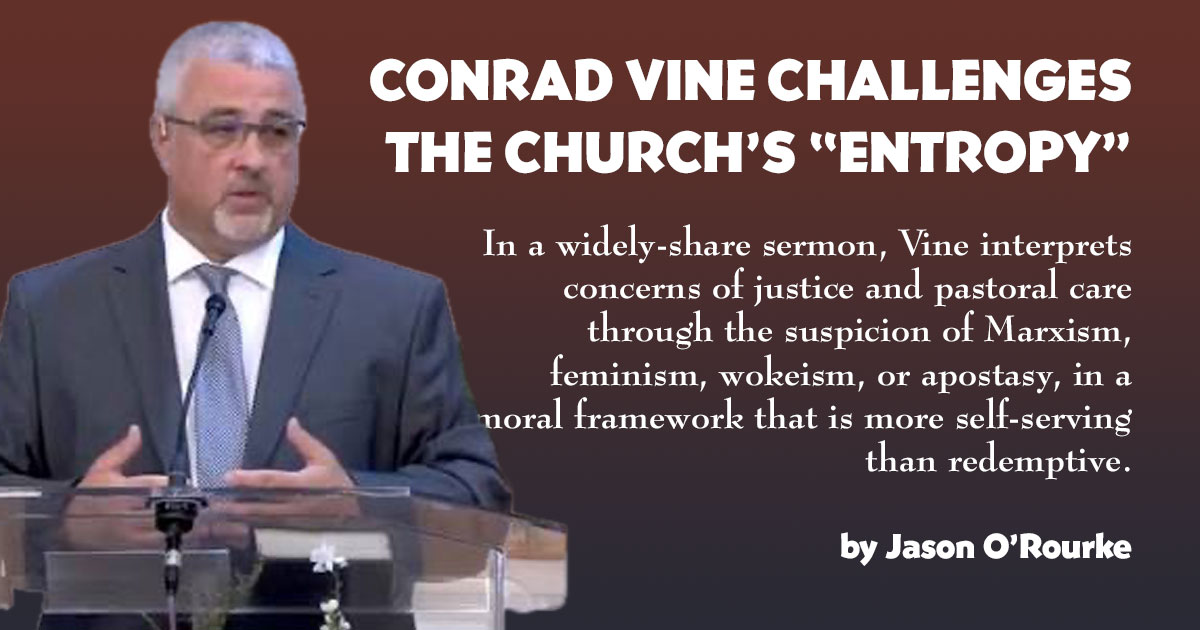
I often get notes from people who say, “Adventist Today only tells one side of the story. You should be fair, and tell both sides.” So every time Adventist Today (AT) says that we Adventists should be more biblical, we should have a balancing article arguing for more Ellen White. Or every time we protest […] Source: https://atoday.org/adventist-today-needs-to-be-fair-and-balanced/
- « Previous Page
- 1
- …
- 147
- 148
- 149
- 150
- 151
- …
- 8226
- Next Page »