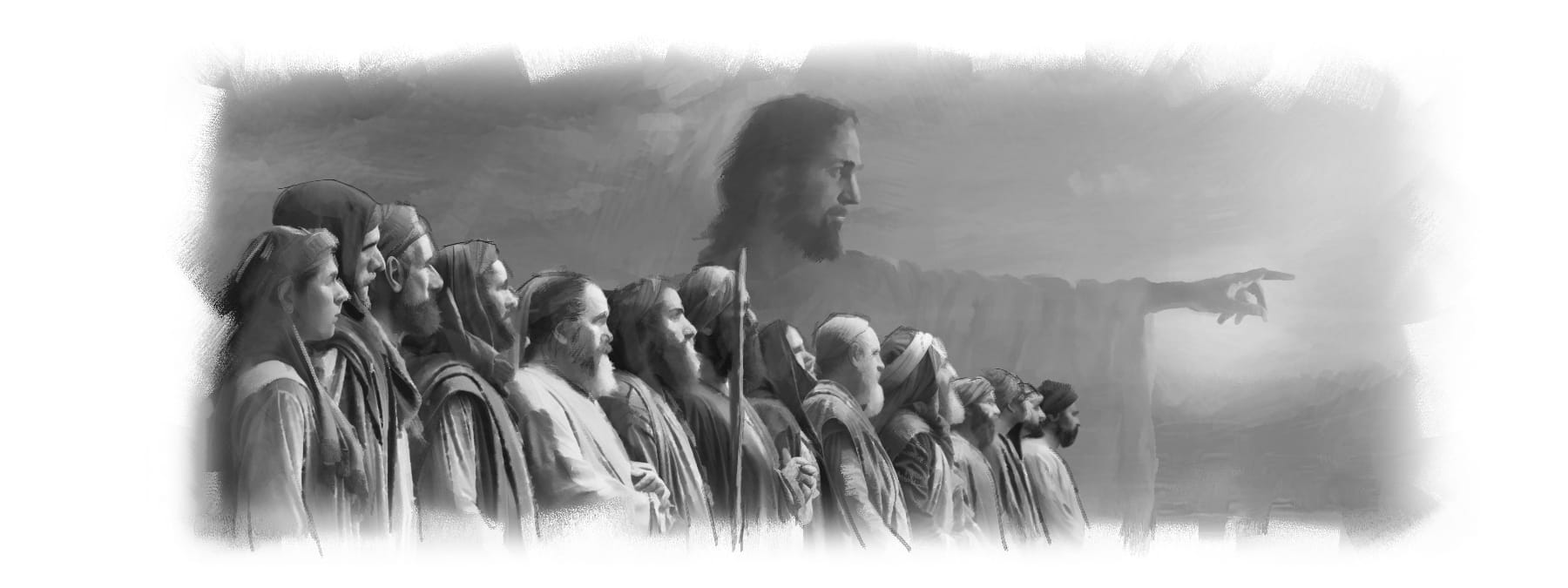
Tuesday, July 29 2PM – Stephane Beaulieu, PhD “Biblical Hermeneutics” (BC Camp Meeting 2025)
Lesson 5.Passover | 5.4 Passing the Torch | EXODUS | LIVING FAITH

Lesson 5: Passover
5.4 Passing the Torch
The Torch of Faith β Passing On What God Has Done
………………………………………………………………….
Introduction
In every family, something is passed on: traditions, values, memories β and also faith.
The Bible makes it clear: Faith in the God of Israel should not be conveyed merely through books or teachers β it should be told, experienced, and celebrated.
Psalm 145:4 says:
“One generation will commend your works to another; they will tell of your mighty acts.”
God calls parents to be faith teachers in their own homes.
The Exodus from Egypt was not just a historical event β it was passed down from generation to generation, as if each had lived through it themselves.
And that continues to this day β even through us.
………………………………………………………………….
Bible Study: Exodus 12:24β38
Context Overview
We are at a pivotal moment in salvation history:
The last night in Egypt is beginning. The people of Israel stand at the threshold between slavery and freedom, between judgment and grace. The Passover instructions have been given β and in the midst of this dramatic preparation, God emphasizes one thing in particular:
Donβt forget what Iβve done β and make sure itβs never forgotten.
The people are not yet free, but they are already told to celebrate, remember, teach, and tell the story annually β as if the deliverance had already taken place.
Remembrance becomes a form of faith.
Verse-by-Verse Commentary
Verse 24 β βYou shall observe this as an ordinance for you and your children forever.β
God establishes that the Passover is not a one-time event but an eternal ritual to remember His saving act.
βYou and your childrenβ β Faith is to be passed down across generations.
βForeverβ β Godβs acts of salvation are not fleeting; they are eternal moments to be made present again and again.
Application:
Faith is not static. It lives through celebration, storytelling, and reenactment β especially in the family.
Verses 25β27 β βWhen you come into the land the LORD will give you… and your children ask, βWhat does this ceremony mean?ββ
God speaks not just about the βnowβ but also about the future β the Promised Land.
He places a child’s question at the center.
Children will ask β itβs not βif,β but βwhen.β
The answer should not be doctrinal, but personal and narrative:
βIt is the Passover sacrifice to the LORD, who passed over the houses…β
God expects questions to be a blessing β an invitation to tell the story.
Application:
Parents are not just providers, but storytellers of faith.
Their role is to transform history into personal experience.
Verse 28 β βThe Israelites did just what the LORD commanded Moses and Aaron.β
The people obey even before theyβve been delivered.
This is faithful obedience β trusting in a word whose fulfillment is not yet seen.
Lesson:
Spiritual life begins not with reward but with obedience from trust.
Verses 29β30 β βAt midnight the LORD struck down all the firstborn in Egyptβ¦β
The moment of judgment arrives.
No one in Egypt is spared β except those covered by the blood.
It is divine judgment that applies to all.
The difference is not origin or morality β but the sign of faith (the blood).
Theological Insight:
This reveals Godβs perfect justice β and His mercy where faith is visible.
Verses 31β33 β βPharaoh summoned Moses and Aaronβ¦ and said, βLeaveβ¦ββ
After long resistance, Pharaohβs power breaks β not by weapons, but by Godβs intervention.
Pharaoh now pleads for them to leave.
The Egyptians urge them to flee, fearing more plagues.
The deliverance happens suddenly β they must be ready.
Spiritual Principle:
When God calls, readiness is key.
Passover is also a symbol of βdeparture by faith.β
Verses 34β36 β βThe people took their dough before it was leavenedβ¦β
This is the origin of unleavened bread β the urgency of departure left no time for rising.
It became a permanent symbol of rapid, saving deliverance.
God ensures they even leave Egypt with riches (v. 36).
Typological Meaning:
Unleavened bread becomes a sign of purity, departure, and sanctification β cf. 1 Corinthians 5:7β8.
Verses 37β38 β βThe Israelites journeyedβ¦ about 600,000 menβ¦ and a mixed multitude went with them.β
This was a massive exodus β not only ethnic Israelites, but people of other origins joined them (βmixed multitudeβ).
Deliverance was not limited to one nation, but to all who came under the blood.
This foreshadows what God does in the New Testament: calling a people from all nations.
Today:
Our churches, too, consist not of bloodlines but of those who stand under the blood of Christ β regardless of culture or background.
Theological Summary: Exodus 12:24β38
| Element | Meaning |
|---|---|
| Parentsβ faith | Foundation for passing on the faith |
| Childrenβs questions | Invitation to living storytelling |
| Remembrance & rituals | Tools for forming identity |
| Obedience beforehand | Expression of trust |
| Judgment & salvation | Justice & mercy meet |
| Unleavened bread | Sign of swift deliverance & spiritual purity |
| Mixed multitude | Symbol of Godβs universal call |
Key Thoughts
-
Remembrance is a spiritual act β it keeps faith alive.
-
Faith begins at home β through storytelling, celebration, and example.
-
God saves β but we are called to pass it on like a torch that must not go out.
………………………………………………………………….
Answers to the Questions
Question 1: What key message is found in Exodus 12:24β38?
This passage reveals a deep spiritual truth:
God ties remembrance to salvation, past to future β and storytelling to faith.
Even before the Israelites leave Egypt, God gives clear instructions on how they must annually celebrate and teach about their deliverance.
Why? Because remembrance is a pillar of a living faith.
Key Points:
-
Godβs acts must not be forgotten.
-
Passover becomes a festival of remembrance.
-
Faith lives not only through new experiences but by re-experiencing past victories.
-
Family is the first place faith is transmitted.
-
Children will ask β and parents must answer from the heart.
-
The story becomes personal: βI was freed.β
-
Obedience flows from trust β they celebrate before the deliverance.
-
The Exodus is more than geography β itβs a spiritual departure.
-
The unleavened bread, haste, and readiness all symbolize Godβs transforming power.
Conclusion:
God saves β and we are called to remember, tell, and live it out.
Passover is not a dead ritual but a living story of faith, renewed in every generation.
Question 2: Why should parents share the Passover story not just as history, but as their own experience?
God wants the Exodus to become not a distant tale, but a spiritual experience for every generation.
Why?
-
Narration creates identity β βI was freedβ makes the story mine.
-
Faith becomes personal through language and experience.
-
Children internalize faith best when itβs felt, not just taught.
-
Storytelling is spiritual self-care β it strengthens even the speaker.
-
Re-telling is also re-living β a reminder of Godβs faithfulness.
Conclusion:
God wants families to say: βI was there. I was freed.β
This makes faith real, concrete, and contagious β a story that becomes your own.
Question 3: Why is it important to remember and pass on faith stories β especially within the family?
Because forgetting is more dangerous than persecution.
The Bible often warns:
βForget not what the LORD has done for you.β (Psalm 103:2)
Why this matters:
-
Memory preserves identity β Forgetting leads to spiritual loss.
-
Families pass on faith through rituals, stories, and celebration.
-
Stories shape worldview β “God helped us” builds confidence.
-
Gratitude grows from remembrance.
-
Shared stories prepare us for future challenges.
Conclusion:
Faith doesnβt die from doubt β it dies from silence.
And remembrance is Godβs antidote to forgetting.
………………………………………………………………….
Spiritual Principles
Parents are the first faith teachers β it starts at home.
Stories of Godβs actions anchor faith deeper than theories.
Speaking strengthens the speaker β telling Godβs deeds renews us.
Remembrance is faith maintenance β without it, faith fades.
Obedience before results is true trust β like Israel before deliverance.
…………………………………………………………………
Application for Daily Life
-
Regularly tell your children what God has done in your life.
-
Read and discuss biblical stories as family history.
-
Celebrate spiritual rituals (like Communion) intentionally.
-
Build a spiritual legacy: photos, journals, meaningful items.
-
Invite your kids to ask questions β and answer them with honesty and heart.
-
See your story in the light of Godβs story of redemption.
………………………………………………………………….
Conclusion
Godβs story of salvation doesnβt end in the past β it continues in our homes, our conversations, and our celebrations.
Every generation carries the torch.
Each must experience, share, and believe for themselves.
Faith doesnβt die from opposition β it dies from forgetting.
So remember. Tell. Live.
………………………………………………………………….
Thought of the Day
“Remembrance is not nostalgia β it’s the bridge on which faith walks into the future.”
A story from Asia about memory, deliverance, and hidden faith
Chapter 1 β Shanghai, Lantern Festival Night
The city was a sea of lights. Skyscrapers reflected in the canals.
It was the Lantern Festival β the end of Chinese New Year.
In an old district on Shanghaiβs edge, a girl lit a lantern.
It wasnβt gold or ornate β it was deep red, made of rice paper, marked with a stylized lamb.
βXiao Li,β her grandmother whispered, βhang it by the window. And never forget what it means.β
Xiao Li, 12, curious and sharp, asked, βWhat does it mean, Nai Nai? Itβs not like the others.β
The wrinkled old woman smiled. βItβs our sign. It reminds us of the blood on the doorframe. Of the night God freed His people. Of our story.β
Chapter 2 β In the Shadows
Xiao Liβs family was different. They were secret Christians.
Their church met underground. No cross, no loud hymns.
Their faith was like a lamp under a bowl β but it still shone.
βBut weβre not Jews,β said Xiao Li. βWhy do we celebrate Passover?β
Her grandmother nodded. βBecause Passover became our story.
Not through Moses β but through Jesus. He was the Lamb.
His blood marks our door. His grace set us free β from fear, from shame, from darkness.
And like Israel, we pass this story on to our children.β
Chapter 3 β The Secret Gathering
That evening, as fireworks lit the skies, the family met in a basement.
No windows. One oil lamp.
One family sang softly in Mandarin, another prayed in Korean.
The pastor whispered from a torn Bible. No tech. No stage.
Only words. Life. Hope.
He passed a piece of flatbread to Xiao Li.
βTonight,β he said, βwe remember the night death passed over Egypt.
But where there was blood, God passed by.
We remember that Christ is our Lamb.β
Xiao Liβs heart burned with light.
Chapter 4 β The Question
Later, walking through the alleys, Xiao Li asked:
βNai Naiβ¦ were you in Egypt?β
Her grandmother paused. Then answered:
βNot with my feet. But with my heart.
I was in fear. In shame. In darkness.
But God delivered me. I heard His call.
So yes β I was there.β
Xiao Li looked up at the red lantern swaying softly in the wind.
βThen I was there too.
And maybeβ¦ one day, Iβll tell the story as well.β
Chapter 5 β The Next Generation
Ten years later. Xiao Li is a mother now.
Her son, Liang, sits in her lap. Outside, lanterns drift into the sky.
In the window still hangs the red lantern with the lamb.
βMom, why is our lantern different from the others?β
Xiao Li smiles. And begins:
βLong agoβ¦ a people were slaves in Egypt…
But God sent a lamb.
And because of the blood, death stopped.
And you know what? I was there.
And so were you.
Because the God who saved then, saves now.β
Core Message of the Story:
Even in secret, under pressure, without external splendor, faith lives on β through remembrance, family, and passing on personal experience.
The red lantern is no superstition.
It is a sign:
We believe in the God who saves β and we tell His deeds, until every child can say:
βI was there too.β
Source: https://fulfilleddesire.net/lesson-5-passover-5-4-passing-the-torch-exodus-living-faith/
30.07.2025 β Leviticus Chapter 15 | BELIEVE HIS PROPHETS
July 30, 2025
DAILY BIBLE READING
Leviticus 15 β Purity and Responsibility in the Daily Life of Godβs People
Godβs Holiness and Our Relationship with the Body β What Purity Really Means
ββββββββββββββββββββββββββββββββββββββββββββββ
Bible Text β Leviticus 14 (KJV)
1 And theΒ LordΒ spake unto Moses and to Aaron, saying,
2Β Speak unto the children of Israel, and say unto them, When any man hath a running issue out of his flesh, because of his issue he is unclean.
3Β And this shall be his uncleanness in his issue: whether his flesh run with his issue, or his flesh be stopped from his issue, it is his uncleanness.
4Β Every bed, whereon he lieth that hath the issue, is unclean: and every thing, whereon he sitteth, shall be unclean.
5Β And whosoever toucheth his bed shall wash his clothes, and bathe himself in water, and be unclean until the even.
6Β And he that sitteth on any thing whereon he sat that hath the issue shall wash his clothes, and bathe himself in water, and be unclean until the even.
7Β And he that toucheth the flesh of him that hath the issue shall wash his clothes, and bathe himself in water, and be unclean until the even.
8Β And if he that hath the issue spit upon him that is clean; then he shall wash his clothes, and bathe himself in water, and be unclean until the even.
9Β And what saddle soever he rideth upon that hath the issue shall be unclean.
10Β And whosoever toucheth any thing that was under him shall be unclean until the even: and he that beareth any of those things shall wash his clothes, and bathe himself in water, and be unclean until the even.
11Β And whomsoever he toucheth that hath the issue, and hath not rinsed his hands in water, he shall wash his clothes, and bathe himself in water, and be unclean until the even.
12Β And the vessel of earth, that he toucheth which hath the issue, shall be broken: and every vessel of wood shall be rinsed in water.
13Β And when he that hath an issue is cleansed of his issue; then he shall number to himself seven days for his cleansing, and wash his clothes, and bathe his flesh in running water, and shall be clean.
14Β And on the eighth day he shall take to him two turtledoves, or two young pigeons, and come before theΒ LordΒ unto the door of the tabernacle of the congregation, and give them unto the priest:
15Β And the priest shall offer them, the one for a sin offering, and the other for a burnt offering; and the priest shall make an atonement for him before theΒ LordΒ for his issue.
16Β And if any man’s seed of copulation go out from him, then he shall wash all his flesh in water, and be unclean until the even.
17Β And every garment, and every skin, whereon is the seed of copulation, shall be washed with water, and be unclean until the even.
18Β The woman also with whom man shall lie with seed of copulation, they shall both bathe themselves in water, and be unclean until the even.
19Β And if a woman have an issue, and her issue in her flesh be blood, she shall be put apart seven days: and whosoever toucheth her shall be unclean until the even.
20Β And every thing that she lieth upon in her separation shall be unclean: every thing also that she sitteth upon shall be unclean.
21Β And whosoever toucheth her bed shall wash his clothes, and bathe himself in water, and be unclean until the even.
22Β And whosoever toucheth any thing that she sat upon shall wash his clothes, and bathe himself in water, and be unclean until the even.
23Β And if it be on her bed, or on any thing whereon she sitteth, when he toucheth it, he shall be unclean until the even.
24Β And if any man lie with her at all, and her flowers be upon him, he shall be unclean seven days; and all the bed whereon he lieth shall be unclean.
25Β And if a woman have an issue of her blood many days out of the time of her separation, or if it run beyond the time of her separation; all the days of the issue of her uncleanness shall be as the days of her separation: she shall be unclean.
26Β Every bed whereon she lieth all the days of her issue shall be unto her as the bed of her separation: and whatsoever she sitteth upon shall be unclean, as the uncleanness of her separation.
27Β And whosoever toucheth those things shall be unclean, and shall wash his clothes, and bathe himself in water, and be unclean until the even.
28Β But if she be cleansed of her issue, then she shall number to herself seven days, and after that she shall be clean.
29Β And on the eighth day she shall take unto her two turtles, or two young pigeons, and bring them unto the priest, to the door of the tabernacle of the congregation.
30Β And the priest shall offer the one for a sin offering, and the other for a burnt offering; and the priest shall make an atonement for her before theΒ LordΒ for the issue of her uncleanness.
31Β Thus shall ye separate the children of Israel from their uncleanness; that they die not in their uncleanness, when they defile my tabernacle that is among them.
32Β This is the law of him that hath an issue, and of him whose seed goeth from him, and is defiled therewith;
33Β And of her that is sick of her flowers, and of him that hath an issue, of the man, and of the woman, and of him that lieth with her that is unclean.
ββββββββββββββββββββββββββββββββββββββββββββββ
Introduction
Leviticus 15 is not an easy text. For modern readers, it can feel strange, awkward, or even uncomfortableβbecause it talks about intimate bodily functions like discharges, emissions, menstruation, or blood flow. Why are such topics in the Bible? And why does God take them so seriously?
This chapter reminds us that God is not only interested in “spiritual” matters but in every part of our livesβincluding our bodies. In ancient Israel, purity was not just a matter of health but a symbol of holiness, order, and proximity to God. The chapter calls us to reflect on our human limitationsβand shows that God speaks into all areas of life.
ββββββββββββββββββββββββββββββββββββββββββββββ
Commentary
1. Bodily discharges in men (verses 1β15)
A man with a chronic discharge (probably an infection) is considered unclean. This uncleanness affects not just him but everything he touches or lies on.
We are reminded to be mindfulβour condition impacts others.
When the discharge stops, there is a seven-day purification process involving washing and sacrificial offerings (vv. 13β15).
God links physical healing with spiritual restoration.
2. Seminal emissions β natural occurrences (verses 16β18)
Even a normal emission causes uncleanness until evening. Intercourse also renders both partners unclean until evening.
Not all impurity equals sinβit often symbolizes mortality.
This is not about guilt but about reality: the human body is fragile. The ritual cleansing symbolizes the need for God’s presence and holiness.
3. Menstruation and abnormal bleeding in women (verses 19β30)
A woman is unclean during her period. Anyone who touches her or her belongings becomes unclean. Abnormal bleeding also renders her unclean until it ceases. A purification ritual follows healing.
Again, itβs not about guilt but ritual (cultic) purity.
Women are not excluded from Godβs presenceβbut their physical realities are acknowledged. God βseesβ them in everything they go through.
4. Summary warning (verses 31β33)
God calls Israel to take impurity seriouslyβnot out of fear but out of reverence for His holy presence.
Purity protects relationship with God. Carelessness separates from life.
ββββββββββββββββββββββββββββββββββββββββββββββ
Summary
Leviticus 15 shows that purity in the Old Testament is not the same as sin. It refers to ritual states that affect access to Godβs presence. These conditions illustrate:
-
Human fragility
-
Human unholiness without God
-
The need for cleansingβphysical, spiritual, ritual
This chapter does not emphasize shame or guilt but responsibility and awareness. God sees the whole personβnot just the heart but also the body.
ββββββββββββββββββββββββββββββββββββββββββββββ
Message for Us Today
In Jesus Christ, the understanding of purity has changed. We no longer need ritual washings or animal sacrifices. Yet the spiritual truth remains:
Your whole lifeβevery part of itβmatters to God
Your weaknesses, illnesses, and shame are not hidden from Him
God calls us to holinessβnot through rituals, but through surrender
Christ purifies what was uncleanβHe bore our impurity on the cross
The invitation is clear: Come as you areβand let grace make you clean.
ββββββββββββββββββββββββββββββββββββββββββββββ
Reflection Questions
How do I deal with my physical limitations, my body, my weakness?
Do I hide parts of my life from God out of shameβor bring them into His light?
Where might I be invited to receive healingβand rejoin community?
“Jesus reached out His hand, touched him, and said: I am willing. Be clean!” (Mark 1:41)
~~~~~
~~~~~
July 27 – August 2, 2025
WEEKLY SPIRIT OF PROPHECY READING
Ellen G. White β Patriarchs and Prophets β Chapter 20
Joseph in Egypt
Read online here
ββββββββββββββββββββββββββββββββββββββββββββββ
Introduction
Josephβs life story is one of the most moving accounts in the Old Testament. It shows how God uses suffering, injustice, and severe trials to shape a young man into an instrument of His blessing β not just for one people, but for entire nations. What Joseph experiences reflects divine education, divine faithfulness β and human choice.
ββββββββββββββββββββββββββββββββββββββββββββββ
Commentary
1. Brokenness: Loneliness and Loss (The Beginning of the Journey)
Joseph is betrayed by his brothers, sold, and on his way to a foreign land. His childhood, marked by his father’s favoritism, ends abruptly. He experiences deep emotional wounds and total abandonment. But out of this crisis, something new begins to grow. In his loneliness, Joseph decides to trust God β even when he loses everything else.
2. The Conscious Decision for Faithfulness (Turning Point)
Joseph remembers the teachings about the God of his fathers β and makes a conscious decision: he will remain faithful to God, no matter the cost. This decision becomes the defining turning point in his life. He is no longer a victim of his circumstances but a servant of God β even in slavery.
3. Steadfastness in Temptation (Potipharβs House)
Joseph is tempted by Potipharβs wife. The decision lies between secret sin or risky faithfulness. Joseph chooses the harder path and asks:
“How then could I do such a wicked thing and sin against God?” (Genesis 39:9)
He does not choose out of fear of people but out of reverence for God.
4. Faithfulness in the Dark (The Prison Years)
Joseph is unjustly condemned. Despite deep injustice, he holds firm to his faith. He does not become bitter. Instead of self-pity, he serves others, helps, comforts, interprets dreams. The years in prison become a school of character.
5. The Elevation (At the Royal Court)
God opens the doors at the right time. Joseph is elevated β not by chance, but by divine plan. His wisdom, insight, and faithfulness in small things make him Egyptβs administrator. The former slave becomes Father of the Land (Genesis 41:43). God honors his faithfulness with influence and responsibility.
ββββββββββββββββββββββββββββββββββββββββββββββ
Summary
Josephβs journey takes him from his fatherβs tent, through slavery and prison, all the way to the Pharaohβs court. In every phase, Joseph remains faithful to his God β not because it was easy, but because it was right. His strength of character and faith make him an instrument in Godβs hands.
ββββββββββββββββββββββββββββββββββββββββββββββ
Message for Us Today
Godβs guidance is not always visible β but it is always faithful.
Trials reveal our character.
He who honors God in the small things will be entrusted with greater things.
Worldly success is empty without the fear of God β but through reverence for God, success gains lasting value.
Character is shaped in daily life, through small decisions, in the unseen.
ββββββββββββββββββββββββββββββββββββββββββββββ
Reflection Question
Where am I right now on my βJoseph journeyβ? In the pit? In Potipharβs house? In prison? Or in elevation?
What keeps me from remaining faithful to God under all circumstances?
Is my integrity dependent on external conditions β or on inner conviction?
What βsmall decisionsβ today are shaping my character for tomorrow?
LuxVerbi | The light of the Word. The clarity of faith.
Source: https://fulfilleddesire.net/30-07-2025-leviticus-chapter-15-believe-his-prophets/
30.07.2025 |πΎJOSEPH β FAITH THAT CARRIES YOU THROUGH | 5.Sold by His Brothers β Valued by God | HEART ANCHOR | Youth Devotional
July 30, 2025
Joseph β Faith That Endures
Devotions from the life of a dreamer with character
5. Sold by His Brothers β Valued by God
When people want to get rid of you β and God still has a plan
ββββββββββββββββ
ββββββββββββββββ
Introduction
What do you do when the people from whom you expect love, protection, and support give you the opposite? When they not only turn their backs on you but actively cast you out of their lives? Thatβs exactly what happened to Joseph. His brothers, driven by jealousy and frustration, sold him like a piece of merchandise. And while Joseph was being led away into a foreign land, his brothers believed the matter was over. But they were wrong: What was the end for them was only the beginning for God.
ββββββββββββββββ
ββββββββββββββββ
Devotional
Genesis 37:28
βThen Midianite traders passed by; so the brothers pulled Joseph up and lifted him out of the pit, and sold him to the Ishmaelites for twenty shekels of silver. And they took Joseph to Egypt.β
Itβs hard to bear: Joseph was sold by his own brothers β not just physically let go, but emotionally abandoned. What must have hurt even more: he heard their voices, felt their coldness, saw their indifference. No protest, no hesitation. Instead of a conversation about reconciliation or understanding, a price was negotiated. Twenty silver coins β thatβs what he was worth to them.
But if you look closer, a deeper truth is revealed in this tragic scene: People may devalue you, but that doesn’t mean your worth disappears. People may reject you, but that changes nothing about Godβs plan. Joseph was sold β but he was never abandoned by God. On the contrary, God began to position him within a bigger picture.
How often do we feel βsoldβ ourselves β in a figurative sense? Maybe you were overlooked, treated unfairly, emotionally discarded, or even pushed aside in a painful way β at work, in family, in a relationship. You trusted, and that trust was broken. You gave, and it was taken β without gratitude, without value.
In such moments, deep cracks can form in our sense of self. We begin to believe what others reflect back to us: βIβm not important. Iβm replaceable. Iβm a mistake.β But Godβs view is entirely different. To Him, you are not a product, not a problem, not a number β you are part of His story. And sometimes He leads you, like Joseph, through painful experiences β not to break you, but to prepare you for something greater.
Egypt was not an accident. It was the place where God would shape, position, and later use Joseph. The path there was painful β but purposeful. So if you are currently in a season where you feel βset asideβ or βdiscarded,β hold on to this truth: Your story isnβt over. It may just be beginning.
ββββββββββββββββ
ββββββββββββββββ
Story β When the Heart is Betrayed
Nina was 24 when she first felt that she had finally arrived. She had landed her dream job in a social organization, was newly engaged, and felt: βNow life is really beginning.β Her relationship with her fiancΓ©, Daniel, was deep, open, and full of future plans β or so she believed. But two years into the engagement, shortly before the wedding, came the message: βI canβt do this. I think I love someone else.β No explanation. No conversation. Just withdrawal.
Ninaβs world fell apart. Her friends didnβt know how to respond. Some said things like, βMaybe itβs for the best.β Others tried to comfort her, but nothing got through. A hole opened up inside her. She didnβt just feel rejected β she felt worthless. She began asking herself questions like: βWhat was wrong with me?β or βAm I even lovable?β
She withdrew for months. Her work became mechanical. Her prayers fell silent. She stopped going to church. God suddenly felt far away β almost like a spectator who hadnβt stepped in.
One day, she happened to sit in a small group at a womenβs retreat. The leader, whom she barely knew, spoke a Bible verse aloud: βYou are mine. I have redeemed you. Do not fear.β (Isaiah 43:1) And then she said to the group β unaware of Ninaβs situation: βSometimes youβre not being abandoned because youβre worthless, but because God is separating you from something that would have held you back.β
Those words hit her right in the heart. In the days that followed, a slow process began. She wrote a letter β not to Daniel, but to herself. In it, she wrote: βYou werenβt sold. You were protected.β For the first time in months, she cried. Not just because of the loss β but because she realized: God had never left her in her deepest disappointment. He was quiet β but present.
Today, many years later, Nina is happily married β not to Daniel, but to someone who truly sees her worth. She is no longer defined by being βseen.β She is a woman who knows: βMy worth is not negotiable. And God never gave up on me β even when I doubted it myself.β
ββββββββββββββββ
ββββββββββββββββ
What We Can Learn from This
People can question your value β but God never does. He sees deeper. He knows not just your dreams but also your wounds. And itβs often exactly where others let you go that God holds you tight. He may even use the rejection youβve experienced to lead you to the place where you’re truly needed. Not everything that hurts is against you. Some things are part of a divine journey you’ll only understand in hindsight.
ββββββββββββββββ
ββββββββββββββββ
Reflection β What Does This Mean for You?
-
When was the last time you felt unnecessary or unwanted?
-
Are there people whose rejection you still havenβt released?
-
Can you believe that God sees you β even when others ignore you?
ββββββββββββββββ
ββββββββββββββββ
Practical Steps for Today
Read Genesis 50:20 (βYou meant it for evil…β) and pray it from your perspective today.
Write a letter to your βpast selfβ during a hard season β and read it through Godβs eyes.
Remind yourself: Rejection often says more about the other person than about you.
Ask God directly: βWhat do you want to grow in me through this situation?β
ββββββββββββββββ
ββββββββββββββββ
Prayer
Father in heaven,
sometimes it hurts deeply when people reject or mistreat me.
I want to understand β but I get no answers.
I want to believe β but I donβt always feel you.
But today I choose to trust you.
Not because everything is clear, but because you are faithful.
Thank you that my worth is not defined by others.
Thank you that you know me, hold me, and are weaving me into your plan β
even when I donβt yet understand how.
Please help me let go of what weighs me down
and hold on to what you say about me.
Amen.
ββββββββββββββββ
ββββββββββββββββ
Key Thought of the Day
You are not what others say about you.
You are who God has decided you are.
ββββββββββββββββ
ββββββββββββββββ
Blessing to Close
May the Lord bless you when others reject you β
and remind you that you are wanted in His eyes.
May He hold you when you feel like you’re slipping β
and carry you safely through.
May He strengthen your heart when voices try to diminish you β
and whisper to you: βYou are mine.β
And may the Lord lead you to people and places
who recognize your worth β
not because of what you do,
but because of who you are.
ββββββββββββββββ
ββββββββββββββββ
LumenCorde | Daily light for a living soul.
- « Previous Page
- 1
- …
- 680
- 681
- 682
- 683
- 684
- …
- 8419
- Next Page »
Illustration β βThe Red Lanternβ
Genesis 37:28