Sabbath School Study: “Blueprint for a Better World” Lesson Study by: Suraj Sukumaran July 13, 2019 Source: https://www.youtube.com/watch?v=vbCbZ_8qONM
Worship: “God Is Always Good’
Worship: "God Is Always Good'
Message: Pr. Sujjan John
Worship Service: July 13, 2019
“Blueprint for a Better World” Lesson Study: Suraj Sukumaran Source: https://www.youtube.com/watch?v=UpmbdN7I0XU
Vespers: “Is The Lord With Me?”
Vespers: "Is The Lord With Me?"
Message: Regie Samuel
Vespers: July 12, 2019 Source: https://www.youtube.com/watch?v=8X8nTpNsRkA
Thursday: Year of Jubilee
Meeting the Israelites as a people who had no home of their own and who were waiting for their arrival in the Promised Land, God knew the importance that the land would take on as they established their new society in Canaan. Under the leadership of Joshua, God oversaw an orderly distribution of the land by tribe and family groups.
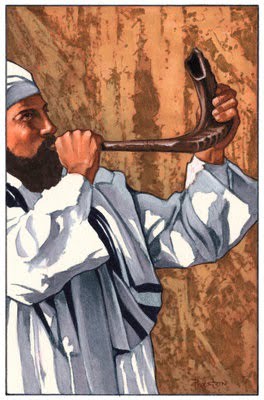
The Year of Jubilee
But He also knew that over time the wealth, opportunity, and resources that were connected with landholding would tend to become concentrated in the hands of the few. Family difficulties, ill health, poor choices, and other misfortune might cause some landholders to sell their lands for short-term gain or simply to survive, but this would mean the family might be dispossessed for successive generations.
God’s solution was to decree that land could never be sold absolutely. Instead, land would be sold only until the next “year of jubilee”, at which time the land would revert to its allotted family, and any land sold could be redeemed by the seller or another member of the seller’s family at any time. Again, God reminds the people of their relationship to Him and how that affects their relationships with others: “The land must not be sold permanently, because the land is mine and you reside in my land as foreigners and strangers” (Lev. 25:23, NIV).
Read Leviticus 25:8-23. How do you imagine society would be different if these principles were applied, especially the words “you shall not oppress one another”?
“The regulations that God established were designed to promote social equality. The provisions of the sabbatical year and the jubilee would, in a great measure, set right that which during the interval had gone wrong in the social and political economy of the nation”. – Ellen G. White, Patriarchs and Prophets, p. 534.
Bible historians are unsure as to whether these economic and social rhythms were ever fully followed for any significant period of time (see 2 Chron. 36:21). Even so, these rules offer an intriguing glimpse into how the world might work if God’s laws were fully followed. Moreover, they underline God’s particular concern for the poor and the marginalized, as well as His concern that fairness be manifested in practical ways in our world.
Amen! (0)
(0)
(0) Source: http://feedproxy.google.com/~r/SabbathSchoolNet/~3/KOk35q08Ru0/
Does God Love America the Most? A Post-July 4 Reflection
by Lars Doland | 10 July 2019 | I am not an American. My great grandfather was, though later he moved to the United Kingdom. I am mostly of Scandinavian descent. I grew up in Denmark and now serve as a pastor of two churches in Norway. I have been to the United States only […] Source: https://atoday.org/god-loves-america-but-does-he-love-it-more-than-bolivia/

