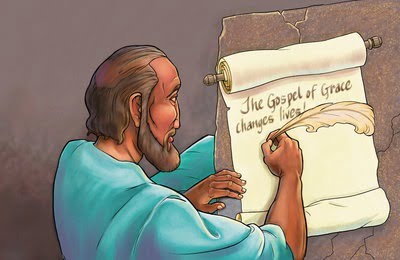
Key Thought: God’s love in the life and sacrifice of Jesus offers us forgiveness, life, and hope. This gospel moves us to serve others especially those in need.
September 7, 2019
1. Have a volunteer read Romans 8:20-23.
- Ask class members to share a thought on what the most important point in this text is.

- How does the whole creation groan under the bondage of corruption?
- Personal Application: How should our attitude towards others and their circumstances be when we recognize them as being created and loved by God? Share your thoughts.
- Case Study: One of your relatives states: “I think that some people think that by helping others that they are gaining merit with God and that they are better than others.” How would you respond to your relative?
2. Have a volunteer read Ephesians 2:8-10.
- Ask class members to share a short thought on what the most important point is in this passage.
- Do these verses show us a relationship between faith and works, or do they show a division between faith and works?
- Personal Application: What works do you think God has ordained you to walk in? Share your thoughts.
- Case Study: One of your friends states, “We are saved by grace, not by good works. So we shouldn’t be trying to do good; that’s works. All we have to do is have faith in God.” How would you respond to your friend?
3. Have a volunteer read Luke 19:41,42.
- Ask class members to share a short thought on what the main idea of this text is.
- What moved Jesus to compassion in these verses?
- Personal Application: How can we have more compassion that is softened to the pain around us? Share your thoughts.
- Case Study: One of your neighbors states, “I don’t think that we need to look very far to find pain and sorrow and disobedience. I think we can find it in our own lives, our own homes, our own neighborhoods. I think we might be part of the problem. The question is, how do we become part of the solution?” How would you respond to your neighbor?
4. Have a volunteer read Revelation 14:6,7.
- Ask class members to share a short thought on what the main idea of this text is.
- What aspects of the gospel are found in the first angel’s message?
- Personal Application: How can we find ways of ministering to those in need while also sharing with them the warning found in the three angel’s messages? Share your thoughts.
- Case Study: Think of one person who needs to hear a message from this week’s lesson. Tell the class what you plan to do this week to share with them.
(Truth that is not lived, that is not imparted, loses its life-giving power, its healing virtue. Its blessings can be retained only as it is shared.”Ministry of Healing, p. 148).
Amen! (0)
(0)
(0) Source: http://feedproxy.google.com/~r/SabbathSchoolNet/~3/y9TL3zEh6ZU/