• Home
  • Devotionals
  • BiblePhone
  • Blogs
  • TV
  • Prayer
    • Submit Prayer Request
    • Prayer Requests List
  • Contact us
  • Romanian

Intercer Adventist News

Closer To Heaven

  • About us
    • About Adventist Church
    • About Intercer Adventist News
    • About Intercer
    • About Lucian Web Service
    • Latest News
    • Romanian Church News
  • News and Feeds
    • Intercer Adventist News
    • 60 Second SlideShows
    • “Adventist Tweets” Paper
    • Adventists on Twitter
    • Adventists on Google Plus
    • Bible Resources
      • Adventist Universities Daily Bible
      • Answers For Me
        • Dear God
        • Healthy Living
        • Life Notes
        • Spiritual applications
        • Vegetarian recipes
      • Better Sermons
        • Spirit Renew Quotes
      • Daily Bible Promise
      • E-GraceNotes
        • Bible Says
        • City Lights
        • Family First
        • Staying Young
      • Story Harvest
        • Personal Stories
      • SSNet.org
    • Churches & Organizations
      • Adventist News Network
      • Adventist Review
      • Adventist World Radio
      • Avondale College
      • Babcock University Nigeria
      • BC Alive
      • British Union Conference
      • Canadian Adventist Messenger
      • Canadian Union
      • North American Division News
      • Outlook Magazine
      • PM Church – Pastor’s Blog
      • Potomac Conference
      • Record Magazine – Australia
      • Review and Herald
      • Trans-European Division
      • Washington Conference
    • Health
      • Dr.Gily.com
      • Vegetarian-Nutrition.info
    • Ministries
      • 7 Miracle (Youth)
      • A Sabbath Blog
      • Adventist Blogs
      • Adventist Today
      • ADvindicate
      • Creative Ministry
      • Grace Roots
      • Romanian Church News
      • Rose’s Devotional
      • UNashamed
    • Personal
      • Alexandra Yeboah
      • Iasmin Balaj
      • Jennifer LaMountain
      • McQue’s View
      • Refresh with Tia
      • Shawn Boonstra
  • Sermons & Video Clips
    • Churches
      • Downey Adventist Church
      • Fresno Central SDA Church
      • Hillsboro Adventist Church
      • Mississauga SDA Church
      • New Perceptions Television (PM Church)
      • Normandie Ave SDA Church
      • Remnant Adventist Church
    • Organizations
      • Adventist News Network (ANN)
      • ADRA Canada
      • Adventists About Life
      • Adventist Education
      • Adventist Mission
      • Amazing Facts
      • Adventist Church Connect
      • BC Adventist
      • Church Support Services
      • In Focus (South Pacific)
      • IIW Canada
      • NAD Adventist
      • NAD Church Resource Center (Vervent)
      • NARLA
      • Newbold
      • Review & Herald
      • SECMedia
      • Video Avventista (Italy)
    • Ministries
      • 3AngelsTube.com
      • Answered.TV
      • AudioVerse.org
      • AYO Connect
      • Christian Documentaries
      • GAiN #AdventistGeeks
      • GYC
      • Intercer Websites
      • Josue Sanchez
      • LightChannel
      • Pan de Vida
      • Revival and Reformation
      • Stories of Faith
      • SAU Journalism/Communication
      • Spirit Flash
      • The Preaching Place (UK)
      • Toronto East Youth Nation
    • Personal
      • Esther-Marie Hartwell
      • McQuesView
      • Pastor Manny Cruz
    • Sabbath School
      • Ecole du Sabbat Adventiste
      • Sabbath School Audio Podast
      • Sabbath School daily
  • Resources
    • Bible and Bible Studies
    • Health
    • Music
  • All articles
  • G+ News & Marketplace
    • G+ News & Marketplace Group
    • G+ Page
You are here: Home / Archives for Adventist Sermons & Video Clips / Fulfilled Desire

Lesson 12.Love and Justice: The Two Greatest Commandments | 12.4 Called to Establish Justice | THE GOD OF LOVE AND JUSTICE | LIVING FAITH

March 18, 2025 By admin

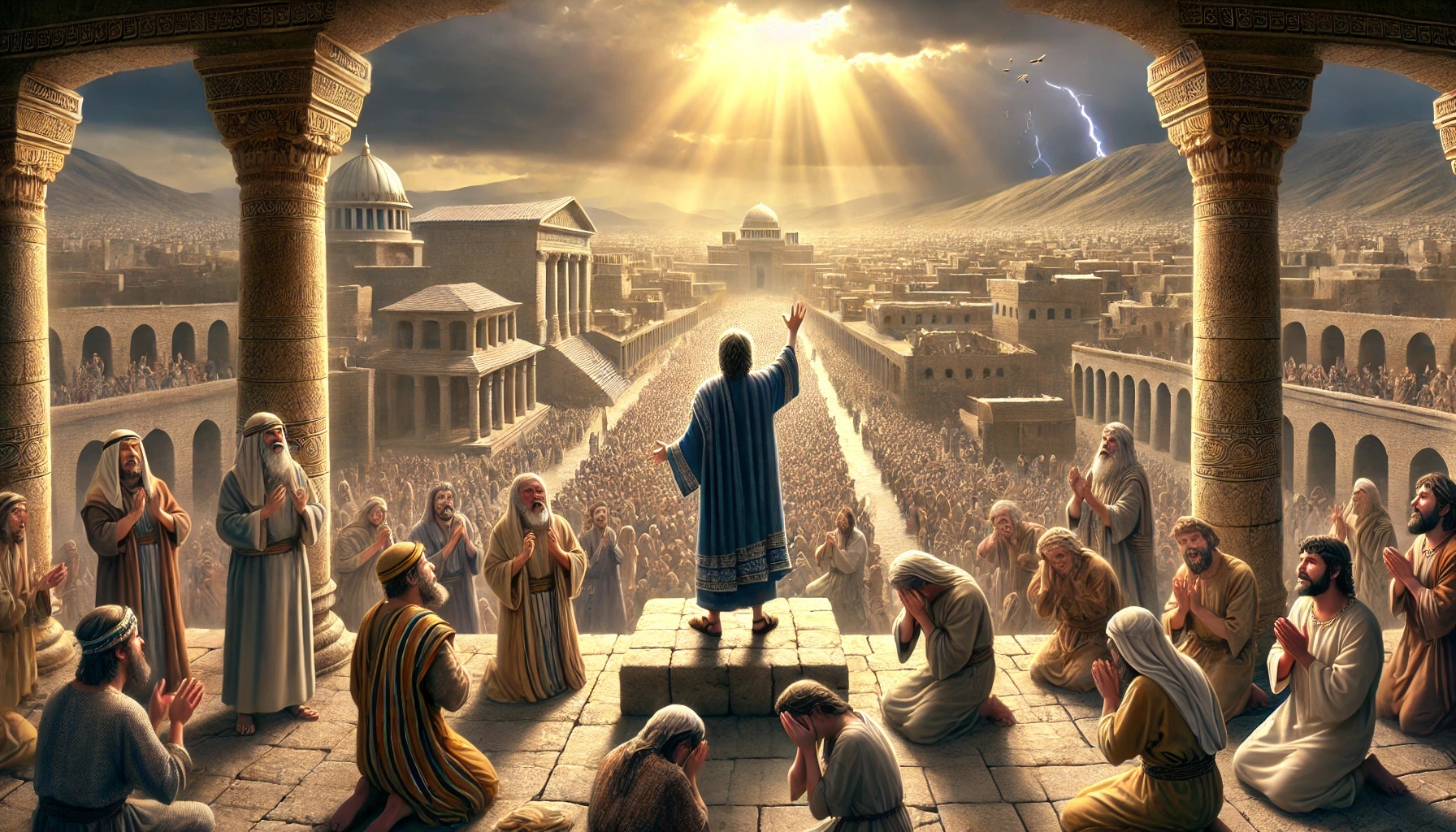
12.4 Called to Establish Justice
Justice as a Lived-Out Faith
The Bible is clear: God’s heart beats for justice. From the prophets of the Old Testament to Jesus himself, it is repeatedly emphasized that a credible faith cannot exist without justice.
  1. The Urgency of Justice in Scripture
Isaiah and Jeremiah raise their voices against social injustice, oppression, and exploitation. They show that justice is not only a religious duty but a fundamental requirement for a God-pleasing society.
📖 Isaiah 1:17 calls us to:
✔ Do good.
✔ Seek justice.
✔ Help the oppressed.
✔ Defend the fatherless and the widow.
These words are not empty appeals but concrete instructions for our lives.
Similarly, Jeremiah denounces social injustice and makes it clear that:
✔ Justice is not just a political issue but a spiritual one.
✔ Those who exploit the weak act against God’s will.
✔ True faith is demonstrated by advocating for the poor and the oppressed.
  1. The Connection to Our Daily Lives
It is not enough to believe – faith must be visible in our actions.
✔ In the family:
• Honesty and fairness in parenting.
• Mutual appreciation and respect.
✔ In society:
• Standing against social injustice and exclusion.
• Supporting those who have no voice.
✔ In the church:
• Being an open and just community where no one is overlooked or disadvantaged.
• Offering help not only within the church but also in the wider society.
  1. Our Calling as Christians
📌 God calls us not just to be spectators but to actively stand up for justice.
📌 Are we ready to fight for truth, love, and justice—even when it is uncomfortable?
📌 Jesus himself was an advocate for the weak—are we willing to follow him?
Justice is not optional—it is the core of a living faith. Whoever truly loves God will stand up for justice.
Read Matthew 23:23-30 What does Jesus teach here about what is most important? What do you think he means by the “most important” things?
In Matthew 23:23-30, Jesus criticizes the Pharisees and teachers of the law for their hypocrisy and misplaced priorities. They focus on minor religious details while neglecting the “most important” aspects of the law: justice, mercy, and faith.
  1. What does Jesus say is “most important”?
✔ Justice – Advocating for fairness and righteousness.
✔ Mercy – Treating people with love rather than just judging by the law.
✔ Faith – Trusting God sincerely, not just following rituals.
Jesus makes it clear: outward religiousness alone is not enough. Faith that is not shaped by love, justice, and true trust in God is empty and hypocritical.
  1. Why is this relevant today?
One might think that these words were only meant for the Pharisees back then—but they are also a warning for us:
📌 Do we sometimes prioritize religious duties over true love for our neighbor?
📌 Do we follow traditions while forgetting the people around us?
📌 Do we do the right thing out of love—or just out of obligation?
Jesus warns us against reducing faith to appearances while our hearts remain distant from God’s love.
  1. Our Mission: Living Out Justice and Love
✅ Faith should transform life—not just our behavior, but our hearts.
✅ Justice should be actively practiced—not only in major political issues but in everyday life.
✅ Mercy is essential—we should treat others with the same grace that God gives us.
Faith without love is empty. Jesus calls us to go beyond religious obligations and truly live out what is most important: justice, mercy, and trust in God.
How would it look if you focused on “the most important things” today, instead of the “tithing of mint, dill, and cumin,” which we might tend to focus on instead?
When Jesus speaks of “the most important things” in Matthew 23:23—justice, mercy, and faith—he prioritizes these values over minor religious duties and outward rituals.
  1. The Difference Between “The Most Important” and Religious Details
The Pharisees strictly observed minor laws (such as tithing on mint, dill, and cumin), but they neglected the heart of God’s law: true justice, mercy, and deep trust in God.
If I live by “the most important”:
✔ I stand up for justice instead of just behaving “correctly.”
✔ I actively practice mercy instead of judging people by rules.
✔ I live my faith with genuine trust rather than just performing religious duties.
If I focus on minor religious details instead:
❌ I make sure to say all the “right” prayers but neglect how I treat others.
❌ I attend church but ignore the needs of those around me.
❌ I follow rules, but my heart remains hardened to suffering and injustice.
  1. What Does This Mean in My Daily Life?
📌 In family life:
🔹 Most important – Listening patiently, practicing forgiveness, showing love.
🔹 Less important – Enforcing perfect order in the home but having no time for family.
📌 In church:
🔹 Most important – Welcoming people, caring for the weak.
🔹 Less important – Focusing only on external forms (such as how someone is dressed).
📌 In society:
🔹 Most important – Being honest, not ignoring injustice, helping the needy.
🔹 Less important – Worrying only about what others think of me.
  1. A Conscious Decision
Today, I can decide: Do I focus on “the most important” or on religious details?
📌 Do I choose justice—or do I stay silent in the face of injustice?
📌 Do I show true mercy—or just superficial kindness?
📌 Do I truly trust God—or do I only follow outward religious practices?
Jesus calls us to go beyond mere obedience to commandments and let our lives be shaped by his love and justice. If I prioritize “the most important,” not only will my faith be transformed, but so will my surroundings. True discipleship is not about religious details but about lived love. 🙏✨
Justice is not just a concept; it is a lifestyle that God expects from us. The Bible makes it clear: True faith is shown not only in prayers and rituals but in how we treat others.
  1. Justice is God’s Nature – and Our Mission
From the Old Testament prophets to Jesus himself, we see that God views justice as a central expression of faith.
📖 Isaiah 1:17 calls us to:
✔ Do good.
✔ Seek justice.
✔ Help the oppressed.
✔ Defend orphans and widows.
📖 Matthew 23:23 shows that Jesus sets the same priorities:
✔ Justice – Standing up for righteousness and truth.
✔ Mercy – Showing love and compassion.
✔ Faith – Trusting God sincerely, not just in words.
This means: Whoever loves God actively stands up for justice.
  1. What Does This Mean for Our Daily Life?
🔹 In the family:
✔ Important: Showing love, resolving conflicts with respect, raising children fairly.
✔ Less important: Enforcing strict rules without understanding the heart behind them.
🔹 In the church:
✔ Important: Being an open, warm-hearted community that welcomes everyone.
✔ Less important: Focusing only on appearances (such as dress codes or traditions).
🔹 In society:
✔ Important: Standing up for justice, not ignoring wrongdoing.
✔ Less important: Caring only about personal success and comfort.
Justice begins in small things—in our daily lives, our relationships, and our decisions.
  1. A Challenging Mission – Are We Ready?
📌 Do we stand up for justice—or remain silent when we see wrongdoing?
📌 Do we treat people with love—or judge them by appearances?
📌 Do we truly trust God—or simply follow religious customs?
God’s justice means: Taking action. Paying attention. Helping. Standing up for truth and love. Because those who truly love God will not remain silent when others suffer.

True justice is not just about fighting injustice but about practicing compassion and love for those around us. 

Source: https://fulfilleddesire.net/lesson-12-love-and-justice-the-two-greatest-commandments-12-4-called-to-establish-justice-the-god-of-love-and-justice-living-faith/

Share this:

  • Share on Facebook (Opens in new window) Facebook
  • Share on LinkedIn (Opens in new window) LinkedIn
  • Share on X (Opens in new window) X
  • Share on Pinterest (Opens in new window) Pinterest

Like this:

Like Loading…

Filed Under: Adventist Sermons & Video Clips, Fulfilled Desire

19.03.2025 – 1 John Chapter 2 | BELIEVE HIS PROPHETS

March 18, 2025 By admin

March 19, 2024
DAILY BIBLE READING – 1 Johannes Chapter 2
1 My little children, these things write I unto you, that ye sin not. And if any man sin, we have an advocate with the Father, Jesus Christ the righteous:
2 And he is the propitiation for our sins: and not for ours only, but also for the sins of the whole world.
3 And hereby we do know that we know him, if we keep his commandments.
4 He that saith, I know him, and keepeth not his commandments, is a liar, and the truth is not in him.
5 But whoso keepeth his word, in him verily is the love of God perfected: hereby know we that we are in him.
6 He that saith he abideth in him ought himself also so to walk, even as he walked.
7 Brethren, I write no new commandment unto you, but an old commandment which ye had from the beginning. The old commandment is the word which ye have heard from the beginning.
8 Again, a new commandment I write unto you, which thing is true in him and in you: because the darkness is past, and the true light now shineth.
9 He that saith he is in the light, and hateth his brother, is in darkness even until now.
10 He that loveth his brother abideth in the light, and there is none occasion of stumbling in him.
11 But he that hateth his brother is in darkness, and walketh in darkness, and knoweth not whither he goeth, because that darkness hath blinded his eyes.
12 I write unto you, little children, because your sins are forgiven you for his name’s sake.
13 I write unto you, fathers, because ye have known him that is from the beginning. I write unto you, young men, because ye have overcome the wicked one. I write unto you, little children, because ye have known the Father.
14 I have written unto you, fathers, because ye have known him that is from the beginning. I have written unto you, young men, because ye are strong, and the word of God abideth in you, and ye have overcome the wicked one.
15 Love not the world, neither the things that are in the world. If any man love the world, the love of the Father is not in him.
16 For all that is in the world, the lust of the flesh, and the lust of the eyes, and the pride of life, is not of the Father, but is of the world.
17 And the world passeth away, and the lust thereof: but he that doeth the will of God abideth for ever.
18 Little children, it is the last time: and as ye have heard that antichrist shall come, even now are there many antichrists; whereby we know that it is the last time.
19 They went out from us, but they were not of us; for if they had been of us, they would no doubt have continued with us: but they went out, that they might be made manifest that they were not all of us.
20 But ye have an unction from the Holy One, and ye know all things.
21 I have not written unto you because ye know not the truth, but because ye know it, and that no lie is of the truth.
22 Who is a liar but he that denieth that Jesus is the Christ? He is antichrist, that denieth the Father and the Son.
23 Whosoever denieth the Son, the same hath not the Father: he that acknowledgeth the Son hath the Father also.
24 Let that therefore abide in you, which ye have heard from the beginning. If that which ye have heard from the beginning shall remain in you, ye also shall continue in the Son, and in the Father.
25 And this is the promise that he hath promised us, even eternal life.
26 These things have I written unto you concerning them that seduce you.
27 But the anointing which ye have received of him abideth in you, and ye need not that any man teach you: but as the same anointing teacheth you of all things, and is truth, and is no lie, and even as it hath taught you, ye shall abide in him.
28 And now, little children, abide in him; that, when he shall appear, we may have confidence, and not be ashamed before him at his coming.
29 If ye know that he is righteous, ye know that every one that doeth righteousness is born of him.
King James Version. Public Domain


Commentary
Introduction
The second chapter of the First Epistle of John is a powerful exhortation to purity of faith, love for one another, and rejection of worldly temptations. John speaks with fatherly love to his congregation, reminding them that Jesus Christ is their advocate who has provided atonement for their sins. At the same time, he emphasizes that true discipleship is demonstrated through obedience to God’s commandments and that genuine light is revealed in love for one’s brothers and sisters. John warns particularly urgently against the deception of the Antichrist and calls believers to remain steadfast, keeping the word of God in their hearts. This chapter invites us to examine our faith, realign our priorities, and grow in fellowship with Christ.
Commentary
1.Christ as Our Advocate and Atonement (Verses 1-2)
John begins with a loving exhortation: The goal is not to sin, but if anyone does, there is hope—Jesus Christ serves as our advocate. He is the atonement not only for the believers in the community but for the whole world, highlighting the universal reach of the gospel.
2.The Necessity of Obedience (Verses 3-6)
The true proof of love for God is obedience to His commandments. Whoever claims to know Christ but does not keep His commandments deceives himself. Faith must be reflected in actions—just as Jesus lived, so should we.
3.The Commandment of Brotherly Love (Verses 7-11)
John reminds his readers that the commandment of love is not new but has always been central to the faith. Whoever claims to be in the light but hates his brother is actually living in darkness. Brotherly love is a key test of true discipleship.
4.Encouragement for Different Groups of Believers (Verses 12-14)
John specifically addresses children, fathers, and young men to strengthen them in their faith. While the older believers have known “Him who is from the beginning” (God), the younger ones are strong in their faith and have overcome the evil one.
5.Renouncing the World (Verses 15-17)
Believers should not love the world and its temptations. John identifies three main sources of temptation: the lust of the flesh, the lust of the eyes, and the pride of life. These things do not come from God and will pass away—only God’s will endures forever.
6.Warning Against the Antichrist (Verses 18-27)
John speaks of the “last hour” and warns of the coming of the Antichrist and many deceivers. Whoever denies that Jesus is the Christ is an Antichrist. However, believers are protected from deception through the anointing of the Holy Spirit. True faith consists in holding fast to the received word.
7.Abide in Christ (Verses 28-29)
John concludes with a call to faithfulness. When Jesus returns, believers should not be ashamed but stand before Him with confidence. Those who pursue righteousness show that they are born of God.
Summary
  1. Jesus Christ is our advocate and atonement—He alone can cleanse us from sin.
  2. True faith is demonstrated through obedience to God’s commandments.
  3. Light and darkness are revealed in brotherly love—whoever hates remains in darkness.
  4. Different phases of faith are addressed—from spiritual children to mature believers.
  5. Love for the world and its desires contradicts the love of God—only those who do God’s will remain forever.
  6. The last hour is here—Antichrist and deceivers arise—but the Holy Spirit provides security.
  7. Abide in Christ to avoid shame at His return—true children of God live righteously.
This chapter is a strong encouragement to remain faithful to God. It shows that our faith must be proven through obedience, love, and steadfastness against worldly temptations. Those who walk in the light will inherit eternal life.


WEEKLY SPIRIT OF PROPHECY READING – Ellen White | Steps to Christ
Chapter 9—The Work and the Life

Read online here


Commentary
Introduction
Chapter 9 describes God’s selfless love as the source of all life, light, and blessing. This principle of selfless devotion is evident throughout creation, but most especially in the life of Jesus Christ. His existence was marked by sacrifice—he lived to save humanity and set an example of love and service. His followers should adopt the same attitude: a life that does not seek self-fulfillment but instead places the well-being of others at its center. This service is not only a calling but also the path to true happiness and spiritual growth.
Commentary
1.The Source of All Life and Blessing
God is the origin of life and blessing, and everything that exists receives light and joy from Him. Just as sunlight and flowing water nourish all living things, so too should humans receive and share God’s blessings. True fulfillment in life does not come from seeking personal gain but from sharing God’s love with others.
2.Christ as the Ultimate Example of Service
Jesus Christ lived a completely selfless life. His greatest concern was to save fallen humanity, even at the cost of suffering and sacrifice. Likewise, angels were not created for themselves but to serve others. The very essence of heaven is not selfishness but sacrifice and love. Those who reject this mindset separate themselves from God.
3.The Impact of God’s Love in a Person
When Christ’s love dwells in a person’s heart, it cannot remain hidden. It radiates outward and influences all who come into contact with them. A Christian’s life should be like a fresh spring in the desert—bringing refreshment and life to those in need.
4.The Joy of Serving Others
The deepest expression of love for Christ is the desire to help others. This was the principle by which Jesus lived. His life was not one of comfort and ease but of tireless service. Those who follow Him will not focus on their own desires but on the well-being of others.
5.The Importance of Sacrifice
A true disciple of Jesus is willing to make sacrifices so that others may experience the blessing of salvation. This sacrifice can take the form of time, resources, or personal dedication. Those who have received God’s grace cannot keep it to themselves—they will feel compelled to share it with others.
6.Communion with Christ Through Service
Serving others not only brings blessings to the recipients but also to the one who serves. God could have entrusted His work of salvation to angels, but He chose to involve people so that their faith could be strengthened. Anyone who dedicates themselves to God’s service will grow deeper in their experience of His love and truth.
7.The Necessity of Spiritual Growth Through Service
Christian growth does not happen through passive receiving but through active giving. Those who do not live out their faith will lose it. But those who carry out God’s mission and serve others will grow spiritually. This is a divine principle: spiritual strength comes through active engagement.
8.Every Christian is Called to Serve
The Church of Christ is called to bring the Good News to the world. This task is not only for missionaries or preachers but for every believer. Each person can be a witness for Christ through their work, behavior, and relationships. Even those who cannot travel to distant lands can still contribute through prayer, support, and serving in their immediate surroundings.
9.Imitating Christ in Everyday Life
Jesus spent most of His earthly life engaged in everyday work as a carpenter. He demonstrated that every job and every activity can be an opportunity to serve God. Even a simple worker can bear witness to Christ through faithfulness and integrity. Everyone can be a light to those around them and lead others to faith.
10.The Blessing of Selfless Service
Many people believe they are not qualified to work for God’s kingdom, but God does not only call the most talented—He calls every believer. Even the simplest tasks, when done with love, are valuable in God’s kingdom. Those who are faithful in small things will also be entrusted with greater things.
11.No Excuses – Everyone Can Serve
Many wait for a “special opportunity” to serve God, but this is a mistake. The best opportunity is the present moment—by living faithfully, showing love in daily life, and being open to the needs of others. Those who make themselves available to Christ will experience how He uses them and how their lives bear fruit.
12.The Hidden Influence of Service
Some people do not see the visible results of their efforts and feel useless. But God sees everything and will bring hidden deeds to light. Often, the effects of our actions will only be revealed in eternity. Those who remain faithful will ultimately see that no selfless act of service was in vain.
Summary
Chapter 9 teaches that true joy and fulfillment are found in selfless service. God is the source of all blessings, and He desires for us to pass these blessings on to others. Jesus is the highest example of a life of dedication and service. Those who follow Him will not live for themselves but for the good of others.
God has given us the privilege of participating in His work of salvation. This is not only a duty but also a blessing for us. Serving others strengthens our faith, brings us closer to Christ, and fills us with deep joy. Every Christian is called to be a light to others through their work, testimony, and love.
The greatest growth in faith does not come from passivity but from active participation in God’s work. Those who share God’s blessings with others will be blessed themselves. But those who remain spiritually inactive will lose their faith. Therefore, this chapter calls us not to wait but to act immediately and wholeheartedly for Christ—whether in our own homes, churches, or the world.

Source: https://fulfilleddesire.net/19-03-2025-1-john-chapter-2-believe-his-prophets/

Share this:

  • Share on Facebook (Opens in new window) Facebook
  • Share on LinkedIn (Opens in new window) LinkedIn
  • Share on X (Opens in new window) X
  • Share on Pinterest (Opens in new window) Pinterest

Like this:

Like Loading…

Filed Under: Adventist Sermons & Video Clips, Fulfilled Desire

Lesson 12.Love and Justice: The Two Greatest Commandments | 12.3 God Loves Justice | THE GOD OF LOVE AND JUSTICE | LIVING FAITH

March 17, 2025 By admin

12.3 God Loves Justice
God’s Heart Beats for Justice
Read Psalm 82. How does this psalm express God’s concern for justice in this world? What could this psalm mean for us today?
The Bible makes it unmistakably clear that God loves justice and hates evil (Ps. 33:5; Isa. 61:8). His heart beats for the weak, the oppressed, and the marginalized—and His anger is directed against those who commit injustice. Justice is not a secondary theme in Scripture but a central concern of God.
  1. God’s Concern for Justice
In Psalm 82, we see God’s perspective on injustice: He holds earthly rulers accountable and calls them to establish justice. The message is clear:
  • “Defend the cause of the weak and the fatherless.”
  • “Uphold the rights of the poor and the oppressed.”
  • “Rescue the weak and the needy; deliver them from the hand of the wicked.”
These words show that God’s idea of justice is not just about punishing evil but actively standing up for the weak. Justice is not just about avoiding evil but about doing good.
  1. The Connection to Our Daily Lives
God expects us not only to agree with justice in theory but to actively live it out. Micah 6:8 summarizes it well:
  • Obey God’s Word → Live faithfully according to His commandments.
  • Show love → Be merciful and serve others.
  • Live humbly before God → Act not out of pride or self-interest.
Jesus made this even clearer:
“By this everyone will know that you are my disciples if you love one another.” (John 13:35)
Justice is not just a societal issue but a matter of the heart.
  1. Our Mission Today
The question is not whether injustice exists, but how we respond to it. God calls us to be active instruments of His justice:
✔ Do we stand up for the weak?
✔ Do we speak out against injustice when we see it?
✔ Do we live a justice that is shaped by love and mercy?
God’s justice is not a dry concept but a way of life. Those who truly love God cannot stand by while others are oppressed, whether on a small or large scale. God sees, God acts, and He calls us to do the same.
How would our families and communities look if we focused on Micah 6:8 and intentionally put it into practice in both word and action? No matter the context in which you find yourself, how could the application of these principles be better expressed? How would our families and communities be transformed if we consciously lived out Micah 6:8?
Micah 6:8 calls us to:
✔ Follow God’s Word – live according to His commandments.
✔ Practice love – show mercy and compassion to others.
✔ Live humbly before God – do not put ourselves at the center but trust in God.
If we intentionally applied these principles in our families and churches, they would be radically transformed:
  1. Our Families Would Be Places of Love and Forgiveness
  • Fewer conflicts, more understanding: Instead of arguments and selfishness, we would have a culture of listening and forgiveness.
  • Genuine appreciation: Parents would raise their children in love, not harshness or neglect. Spouses would respect and support each other.
  • Faith in action: Instead of just talking about faith, we would actively live it—in our decisions, our relationships, and our trust in God.
  1. Our Churches Would Be Marked by Genuine Unity
  • No superficial religiosity, but real love for one another: People would not just be friendly on Sundays but would actively care for each other.
  • A safe place for the weak and needy: Church would not be just for the “spiritually strong” but a refuge for the lonely, the broken, and those in need.
  • God’s justice at the center: There would be no room for discrimination, exclusion, or indifference, because every person is valuable.
How Can I Live Out These Principles?
No matter where we are—at home, at work, in church, or in our neighborhood—Micah 6:8 challenges us to take action:
✔ Follow God’s Word → Intentionally live by biblical principles, even when it’s difficult.
✔ Practice love → Stand up for others, do not ignore injustice, help without expecting anything in return.
✔ Be humble → Do not act out of pride or selfish motives but trust God’s guidance and treat others with respect.
If we take this lifestyle seriously, our families and churches will not just be communities—they will be living testimonies of God’s justice and love in this world.
Justice is not just a biblical idea but a core foundation of our faith and daily life. If God loves justice, then we should love it too and actively live it out. But what does that mean in practical terms?
  1. Justice Begins in Our Personal Lives
Psalm 82 shows us that God does not simply tolerate injustice in the world. He calls for justice for the poor, the orphans, and the needy. This call is not just for governments or institutions but for each one of us.
In daily life, this means:
✔ Acting honestly and fairly – in family, at work, in school.
✔ Treating people with respect and dignity – regardless of their background, status, or weaknesses.
✔ Standing up for truth – even when it’s uncomfortable to speak out against injustice.
  1. Practicing Justice in Family and Community
If we intentionally applied Micah 6:8 in our families and churches, they would be radically transformed:
✔ Families full of love and forgiveness
  • Conflicts would be resolved with patience and grace, not with harshness or silence.
  • Children would learn what it means to be merciful and just.
  • Marriages would be marked by mutual respect and support.
✔ Churches as places of lived justice
  • Instead of superficial fellowship, we would actively care for one another.
  • The church would be a place for everyone—not just for the “strong,” but also for those who need help and support.
  • Injustice of any kind (discrimination, prejudice, social inequality) would have no place, because every person would be valued.
  1. Our Responsibility in Society
The question is not whether injustice exists but how we respond to it.
God calls us to be His instruments of justice:
✔ Do we stand up for the disadvantaged?
✔ Do we speak out when we see injustice, or do we stay silent out of convenience?
✔ Do we practice justice not just in words, but in actions?
Jesus Himself showed us what it means to connect justice with love. He stood up for the outcasts, healed the sick, and showed mercy where others condemned.
Conclusion: Justice Is a Lifestyle, Not Just a Concept
God’s justice is not just an ideal but a mission for our daily lives. It starts with our decisions, our behavior toward others, and our courage to stand up for truth and love.
📌 Living out Micah 6:8 means:
✔ Living God’s Word – not just hearing it.
✔ Showing love in concrete actions – not just speaking about it.
✔ Being humble – not putting ourselves at the center.
If we love justice as God loves it, our families, churches, and daily lives will become a living testimony of His love and truth. God sees, God acts—and He calls us to do the same.

True justice is not just condemning evil, but actively loving and defending the weak.

Source: https://fulfilleddesire.net/lesson-12-love-and-justice-the-two-greatest-commandments-12-3-god-loves-justice-the-god-of-love-and-justice-living-faith/

Share this:

  • Share on Facebook (Opens in new window) Facebook
  • Share on LinkedIn (Opens in new window) LinkedIn
  • Share on X (Opens in new window) X
  • Share on Pinterest (Opens in new window) Pinterest

Like this:

Like Loading…

Filed Under: Adventist Sermons & Video Clips, Fulfilled Desire

18.03.2025 – 1 John Chapter 1 | BELIEVE HIS PROPHETS

March 17, 2025 By admin

The Message of 1 John
The First Epistle of John (1 John) is a profound letter that addresses key themes of the Christian faith. John, the Apostle of Love, writes to a community of believers, emphasizing the importance of fellowship with God, love among one another, and the need to guard against false teachings.
  1. Main Themes of 1 John
Fellowship with God and Light vs. Darkness
John emphasizes that true Christians live in fellowship with God and must stay away from the darkness of sin:
“If we say that we have fellowship with Him, and walk in darkness, we lie and do not practice the truth.” (1 John 1:6)
Jesus Christ – Our Advocate and Redeemer
Jesus is our mediator before God. Whoever believes in Him receives forgiveness of sins:
“And if anyone sins, we have an Advocate with the Father, Jesus Christ the righteous.” (1 John 2:1)
Love as Evidence of Faith
True love for God is reflected in love for one another:
“He who does not love does not know God, for God is love.” (1 John 4:8)
Guarding Against False Teachings (Antichrists)
John warns against false teachers who deny the divine nature of Jesus:
“For many deceivers have gone out into the world who do not confess Jesus Christ as coming in the flesh.” (1 John 4:3)
Faith as the Foundation of Victory Over the World
Whoever believes in Christ overcomes the world:
“For whatever is born of God overcomes the world. And this is the victory that has overcome the world—our faith.” (1 John 5:4)
  1. Central Message
The First Epistle of John encourages believers to remain in the truth, live in love, and guard against false teachings. John reminds us that true Christianity is not merely spoken words but is demonstrated through lived-out love and a sanctified life.
  1. Final Thought
The letter concludes with a strong reminder:
“Little children, keep yourselves from idols.” (1 John 5:21)
This means that nothing should take God’s place in our lives. Whoever abides in Christ has eternal life.
In short: 1 John teaches us that true discipleship consists of love, truth, and faithfulness to Jesus Christ.


March 18, 2024
DAILY BIBLE READING – 1 Johannes Chapter 1
1 That which was from the beginning, which we have heard, which we have seen with our eyes, which we have looked upon, and our hands have handled, of the Word of life;
2 (For the life was manifested, and we have seen it, and bear witness, and shew unto you that eternal life, which was with the Father, and was manifested unto us;)
3 That which we have seen and heard declare we unto you, that ye also may have fellowship with us: and truly our fellowship is with the Father, and with his Son Jesus Christ.
4 And these things write we unto you, that your joy may be full.
5 This then is the message which we have heard of him, and declare unto you, that God is light, and in him is no darkness at all.
6 If we say that we have fellowship with him, and walk in darkness, we lie, and do not the truth:
7 But if we walk in the light, as he is in the light, we have fellowship one with another, and the blood of Jesus Christ his Son cleanseth us from all sin.
8 If we say that we have no sin, we deceive ourselves, and the truth is not in us.
9 If we confess our sins, he is faithful and just to forgive us our sins, and to cleanse us from all unrighteousness.
10 If we say that we have not sinned, we make him a liar, and his word is not in us.
King James Version. Public Domain


Commentary
Introduction
The First Epistle of John begins with a profound explanation of the foundation of the Christian faith: fellowship with God and with one another. John writes as an eyewitness of Jesus Christ and emphasizes the reality of divine revelation. This chapter highlights the light of God, the necessity of honest confession of our sins, and the cleansing through the blood of Christ. It calls us to walk in the light of God and live in truth rather than remain in the darkness of sin.
Commentary
1.The Foundation of Christian Fellowship (Verses 1-4)
John begins with a powerful affirmation that Jesus Christ was truly present in the flesh on earth. He emphasizes that he has heard, seen, and touched Him. This statement is crucial because John counters the false teachings of his time that denied the incarnation of Christ.
  • Eternal life is revealed in Christ (v. 2): Jesus has existed with God from eternity and has now been made visible to mankind.
  • Proclamation leads to fellowship (v. 3): The purpose of this message is that believers may have fellowship with God and with one another.
  • Joy as the goal of faith (v. 4): John desires that believers’ joy may be complete—a joy that comes from the assurance of communion with God.
Application:
Christian faith is not merely an intellectual confession but a personal, experiential relationship with Christ that leads to fellowship with other believers.
2.Life in the Light (Verses 5-10)
John emphasizes that God is light (v. 5). Light represents purity, truth, and holiness, while darkness symbolizes sin and separation from God.
  • Truth vs. Lies (v. 6-7): Those who claim to have fellowship with God but live in sin deceive themselves. True fellowship with God is demonstrated by “walking in the light.”
  • Cleansing through Christ (v. 7): The blood of Jesus cleanses us from all sin—this is the central hope of the Christian faith.
  • The necessity of confessing sin (v. 8-9): No one can claim to be without sin. The path to forgiveness lies in honest confession. God is faithful and just to forgive and cleanse us when we admit our guilt.
  • The danger of self-deception (v. 10): Anyone who claims to be sinless makes God a liar, for His Word clearly states that all people need forgiveness.
Application:
A true Christian walks in the light, confesses sins, and experiences God’s grace. Denying one’s guilt leads to darkness, but honest confession brings forgiveness and healing.
Summary
This chapter presents three central truths:
  1. Jesus Christ is the revelation of God’s life – John testifies as an eyewitness and proclaims the Gospel to bring others joy and fellowship with God.
  2. God is light – Those who claim to know God but live in sin deceive themselves. True fellowship with God means walking in the light.
  3. Forgiveness is possible through the blood of Christ – We are all sinners, but when we confess our sins, God is faithful to forgive and cleanse us.
These teachings call us to authentic faith, honest living, and genuine fellowship with God and fellow believers.


WEEKLY SPIRIT OF PROPHECY READING – Ellen White | Steps to Christ
Chapter 9—The Work and the Life

Read online here


Commentary
Introduction
Chapter 9 describes God’s selfless love as the source of all life, light, and blessing. This principle of selfless devotion is evident throughout creation, but most especially in the life of Jesus Christ. His existence was marked by sacrifice—he lived to save humanity and set an example of love and service. His followers should adopt the same attitude: a life that does not seek self-fulfillment but instead places the well-being of others at its center. This service is not only a calling but also the path to true happiness and spiritual growth.
Commentary
1.The Source of All Life and Blessing
God is the origin of life and blessing, and everything that exists receives light and joy from Him. Just as sunlight and flowing water nourish all living things, so too should humans receive and share God’s blessings. True fulfillment in life does not come from seeking personal gain but from sharing God’s love with others.
2.Christ as the Ultimate Example of Service
Jesus Christ lived a completely selfless life. His greatest concern was to save fallen humanity, even at the cost of suffering and sacrifice. Likewise, angels were not created for themselves but to serve others. The very essence of heaven is not selfishness but sacrifice and love. Those who reject this mindset separate themselves from God.
3.The Impact of God’s Love in a Person
When Christ’s love dwells in a person’s heart, it cannot remain hidden. It radiates outward and influences all who come into contact with them. A Christian’s life should be like a fresh spring in the desert—bringing refreshment and life to those in need.
4.The Joy of Serving Others
The deepest expression of love for Christ is the desire to help others. This was the principle by which Jesus lived. His life was not one of comfort and ease but of tireless service. Those who follow Him will not focus on their own desires but on the well-being of others.
5.The Importance of Sacrifice
A true disciple of Jesus is willing to make sacrifices so that others may experience the blessing of salvation. This sacrifice can take the form of time, resources, or personal dedication. Those who have received God’s grace cannot keep it to themselves—they will feel compelled to share it with others.
6.Communion with Christ Through Service
Serving others not only brings blessings to the recipients but also to the one who serves. God could have entrusted His work of salvation to angels, but He chose to involve people so that their faith could be strengthened. Anyone who dedicates themselves to God’s service will grow deeper in their experience of His love and truth.
7.The Necessity of Spiritual Growth Through Service
Christian growth does not happen through passive receiving but through active giving. Those who do not live out their faith will lose it. But those who carry out God’s mission and serve others will grow spiritually. This is a divine principle: spiritual strength comes through active engagement.
8.Every Christian is Called to Serve
The Church of Christ is called to bring the Good News to the world. This task is not only for missionaries or preachers but for every believer. Each person can be a witness for Christ through their work, behavior, and relationships. Even those who cannot travel to distant lands can still contribute through prayer, support, and serving in their immediate surroundings.
9.Imitating Christ in Everyday Life
Jesus spent most of His earthly life engaged in everyday work as a carpenter. He demonstrated that every job and every activity can be an opportunity to serve God. Even a simple worker can bear witness to Christ through faithfulness and integrity. Everyone can be a light to those around them and lead others to faith.
10.The Blessing of Selfless Service
Many people believe they are not qualified to work for God’s kingdom, but God does not only call the most talented—He calls every believer. Even the simplest tasks, when done with love, are valuable in God’s kingdom. Those who are faithful in small things will also be entrusted with greater things.
11.No Excuses – Everyone Can Serve
Many wait for a “special opportunity” to serve God, but this is a mistake. The best opportunity is the present moment—by living faithfully, showing love in daily life, and being open to the needs of others. Those who make themselves available to Christ will experience how He uses them and how their lives bear fruit.
12.The Hidden Influence of Service
Some people do not see the visible results of their efforts and feel useless. But God sees everything and will bring hidden deeds to light. Often, the effects of our actions will only be revealed in eternity. Those who remain faithful will ultimately see that no selfless act of service was in vain.
Summary
Chapter 9 teaches that true joy and fulfillment are found in selfless service. God is the source of all blessings, and He desires for us to pass these blessings on to others. Jesus is the highest example of a life of dedication and service. Those who follow Him will not live for themselves but for the good of others.
God has given us the privilege of participating in His work of salvation. This is not only a duty but also a blessing for us. Serving others strengthens our faith, brings us closer to Christ, and fills us with deep joy. Every Christian is called to be a light to others through their work, testimony, and love.
The greatest growth in faith does not come from passivity but from active participation in God’s work. Those who share God’s blessings with others will be blessed themselves. But those who remain spiritually inactive will lose their faith. Therefore, this chapter calls us not to wait but to act immediately and wholeheartedly for Christ—whether in our own homes, churches, or the world.

Source: https://fulfilleddesire.net/18-03-2025-1-john-chapter-1-believe-his-prophets/

Share this:

  • Share on Facebook (Opens in new window) Facebook
  • Share on LinkedIn (Opens in new window) LinkedIn
  • Share on X (Opens in new window) X
  • Share on Pinterest (Opens in new window) Pinterest

Like this:

Like Loading…

Filed Under: Adventist Sermons & Video Clips, Fulfilled Desire

Lesson 12.Love and Justice: The Two Greatest Commandments | 12.2 The Two Greatest Sins | THE GOD OF LOVE AND JUSTICE | LIVING FAITH

March 16, 2025 By admin

12.2 The Two Greatest Sins
Idolatry and Lovelessness – The Two Greatest Sins
Read Psalm 135:13–19. What does this Psalm reveal about a common sin that is condemned throughout the Holy Scriptures?
Jesus makes it clear that the two greatest commandments are love for God and love for one’s neighbor. If these commandments form the foundation of a life that pleases God, then the greatest sins must be the exact opposite of this love.
One of the greatest sins is idolatry. Psalm 135:13–19 describes how people worship idols—lifeless images that can neither hear nor speak. Idolatry is not just the worship of statues or images; it is any form of turning away from God. An idol can be anything that captures our hearts more than God—money, power, career, status, or even personal desires and fears. The moment something or someone takes the place that rightfully belongs to God, we commit this sin.
The second great sin is lovelessness toward others. Jesus teaches that love is not just an emotion but a conscious decision and a way of life. Those who deliberately ignore, hurt, or prioritize themselves above others violate this commandment. Selfishness, hatred, unforgiveness, and indifference to the needs of others are manifestations of this sin.
Both sins—idolatry and lovelessness—essentially reject God’s central nature: love. They distance us from the truth, harden our hearts, and lead us into a self-centered, godless way of life.
The challenge for us today is to examine our hearts:
  • Are there things that replace my love for God or for others?
  • What “idols” in my life stand between me and God?
  • Where am I lacking in true, selfless love for those around me?
Jesus calls us to consciously turn away from these sins and to renew our love for God and for people every day—not just in words, but in concrete actions.
Read Zechariah 7:9–12. According to the prophet Zechariah, what does God rebuke in this passage? How are this and the sin of idolatry related to the two greatest commandments?
In Zechariah 7:9–12, God, through the prophet, rebukes His people for failing to act justly, show mercy, and love one another. Instead, they oppressed the needy and closed their hearts to the truth. They hardened their hearts against God’s commandments and refused to listen to His instructions.
This sin directly relates to the two greatest commandments that Jesus teaches: love for God and love for one’s neighbor. Idolatry and injustice are the two primary transgressions that run throughout the Old Testament:
  1. Idolatry is a deliberate turning away from God—a sign that one does not love Him with all their heart. Instead of trusting in God, people place their trust in false securities: wealth, power, human approval, or self-made gods.
  2. Injustice and lovelessness are the exact opposite of love for one’s neighbor. Those who oppress, ignore, or harm others violate God’s deepest commandment of love.
These two sins reflect failures in the two greatest commandments:
  • Whoever does not love God turns away from Him and seeks other “gods.”
  • Whoever does not love their neighbor destroys relationships and contradicts God’s nature.
1 John 4:20–21 makes this connection even clearer: One cannot claim to love God while hating their brother or sister. True love for God is demonstrated in our love for others.
God is not only angered by idolatry but also by social injustice, oppression, and lovelessness. His anger is an expression of His love—because true love cannot tolerate injustice.
That is why God calls us to examine our hearts:
  • What takes God’s place in my life?
  • Am I truly just and merciful toward others?
The two greatest sins are failures in love—both toward God and toward people. Whoever remains in love remains in God (1 John 4:16).
Why do you think love for God cannot be separated from love for others? How do you understand this inseparable connection?
Love for God and love for others are inseparably linked because both originate from God’s very nature. God is love (1 John 4:8)—this means that true love has its source in Him and cannot exist in isolation.
1. God’s Nature Is Love
God created humanity in His image (Genesis 1:27). This means we are designed to live in love—both in our relationship with God and with our fellow human beings. Whoever truly loves God will be shaped by His character and will naturally extend that love to others.
2. Those Who Love God Follow His Will
Jesus says in John 14:15: “If you love me, you will keep my commandments.” And His central commandments are:
  • “You shall love the Lord your God with all your heart” (Deuteronomy 6:5).
  • “You shall love your neighbor as yourself” (Leviticus 19:18).
God Himself established this connection. One cannot live one without the other—genuine love for God is always expressed in love for others.
3. Love Is Not Just a Feeling, but an Action
Love for God is not an abstract idea but is demonstrated in practical ways. 1 John 4:20–21 makes this very clear:
  • “If someone says, ‘I love God,’ and hates his brother, he is a liar.”
  • “For he who does not love his brother whom he has seen, cannot love God whom he has not seen.”
Our love for God is reflected not only in our worship and prayers but primarily in how we treat other people.
4. Jesus as the Ultimate Example
Jesus demonstrated how inseparable these two loves are:
  • He loved the Father completely and obeyed His will.
  • At the same time, He served people, healed, forgave, and sacrificed Himself for them.
His love for God was the driving force behind His love for people—and we are called to live in the same way.
Conclusion
Love for God is the source, but love for others is the fruit. Whoever loves God will naturally care for others. And whoever lacks love for their fellow humans cannot claim to truly love God.
Faith and love go hand in hand: A heart filled with God cannot remain cold toward others.
The two greatest sins—idolatry and lovelessness—are not just biblical concepts; they directly affect our daily lives. They stand in opposition to the two greatest commandments: love for God and love for one’s neighbor. But what does this mean practically for our daily lives and faith?
1. Idolatry in Modern Life
We often think of idolatry as statues or pagan rituals. But in today’s world, idols are more subtle yet just as dangerous:
  • Career and success – If our self-worth is based only on our achievements, work takes God’s place in our lives.
  • Money and possessions – Financial security is important, but if we trust God only when our bank account is full, our faith is misplaced.
  • Recognition and status – Social media and societal pressure push us to seek approval at the expense of our identity in Christ.
  • Control and security – If we rely solely on our own plans rather than trusting God, we make ourselves the center of our lives.
2. Lovelessness – The Invisible Sin in Everyday Life
Lovelessness often manifests not in grand evil actions but in small daily choices:
  • Ignoring the needy – Turning a blind eye to suffering hardens our hearts.
  • Judgment and criticism – Devaluing others instead of showing grace.
  • Unforgiveness and bitterness – Holding grudges instead of extending forgiveness.
  • Selfishness – Prioritizing personal comfort over helping others.
Final Thought: A Life of Love
Our faith is not just about knowledge but about the heart.
Whoever loves God will also love others. And whoever does not love others cannot claim to truly know God.
God calls us to live lives marked by true love—in our thoughts, words, and actions. Because love is the fulfillment of the law (Romans 13:10)

True love for God is reflected in the way we treat others – for faith without love is empty.

Source: https://fulfilleddesire.net/lesson-12-love-and-justice-the-two-greatest-commandments-12-2-the-two-greatest-sins-the-god-of-love-and-justice-living-faith/

Share this:

  • Share on Facebook (Opens in new window) Facebook
  • Share on LinkedIn (Opens in new window) LinkedIn
  • Share on X (Opens in new window) X
  • Share on Pinterest (Opens in new window) Pinterest

Like this:

Like Loading…

Filed Under: Adventist Sermons & Video Clips, Fulfilled Desire

  • « Previous Page
  • 1
  • …
  • 100
  • 101
  • 102
  • 103
  • 104
  • …
  • 711
  • Next Page »

SkyScraper

Intercer Ministry – Since 1997!

We’re on Pinterest!

Partners


The Seven Thunders Ministry

Recent Posts

  • God First: Your Daily Prayer Meeting #1436
  • Wandile Mthiyane Walks 1,600 Kilometers to Fund Harvard Education, Housing Initiative
  • 🪨 Le etichette del passato non definiscono chi sei davvero.
  • EDITORIAL: ¿Los adventistas tenemos una misión para la «vida real»?
  • 👤 THE BIBLICAL PERSON OF THE DAY | 07.21.2026 | 👑 Michal – the King’s Daughter with a Wounded Heart

About Intercer

Intercer is a website with biblical materials in Romanian, English, Hungarian and other languages. We want to bring the light from God's Word to peoples homes. Intercer provides quality Christian resources...[Read More]

Lucian Web Service


Intercer is proudly sponsored by Lucian Web Service - Professional Web Services, Wordpress Websites, Marketing and Affiliate Info. Lucian worked as a subcontractor with Simpleupdates, being one of the programmers for the Adventist Church Connect software. He also presented ACC/ASC workshops... [read more]

Archives

Follow @intercer

Categories

[footer_backtotop]

Website provided by: Intercer Romania · Intercer Canada · Lucian Web Service · Privacy · Log in


%d