• Home
  • Devotionals
  • BiblePhone
  • Blogs
  • TV
  • Prayer
    • Submit Prayer Request
    • Prayer Requests List
  • Contact us
  • Romanian

Intercer Adventist News

Closer To Heaven

  • About us
    • About Adventist Church
    • About Intercer Adventist News
    • About Intercer
    • About Lucian Web Service
    • Latest News
    • Romanian Church News
  • News and Feeds
    • Intercer Adventist News
    • 60 Second SlideShows
    • “Adventist Tweets” Paper
    • Adventists on Twitter
    • Adventists on Google Plus
    • Bible Resources
      • Adventist Universities Daily Bible
      • Answers For Me
        • Dear God
        • Healthy Living
        • Life Notes
        • Spiritual applications
        • Vegetarian recipes
      • Better Sermons
        • Spirit Renew Quotes
      • Daily Bible Promise
      • E-GraceNotes
        • Bible Says
        • City Lights
        • Family First
        • Staying Young
      • Story Harvest
        • Personal Stories
      • SSNet.org
    • Churches & Organizations
      • Adventist News Network
      • Adventist Review
      • Adventist World Radio
      • Avondale College
      • Babcock University Nigeria
      • BC Alive
      • British Union Conference
      • Canadian Adventist Messenger
      • Canadian Union
      • North American Division News
      • Outlook Magazine
      • PM Church – Pastor’s Blog
      • Potomac Conference
      • Record Magazine – Australia
      • Review and Herald
      • Trans-European Division
      • Washington Conference
    • Health
      • Dr.Gily.com
      • Vegetarian-Nutrition.info
    • Ministries
      • 7 Miracle (Youth)
      • A Sabbath Blog
      • Adventist Blogs
      • Adventist Today
      • ADvindicate
      • Creative Ministry
      • Grace Roots
      • Romanian Church News
      • Rose’s Devotional
      • UNashamed
    • Personal
      • Alexandra Yeboah
      • Iasmin Balaj
      • Jennifer LaMountain
      • McQue’s View
      • Refresh with Tia
      • Shawn Boonstra
  • Sermons & Video Clips
    • Churches
      • Downey Adventist Church
      • Fresno Central SDA Church
      • Hillsboro Adventist Church
      • Mississauga SDA Church
      • New Perceptions Television (PM Church)
      • Normandie Ave SDA Church
      • Remnant Adventist Church
    • Organizations
      • Adventist News Network (ANN)
      • ADRA Canada
      • Adventists About Life
      • Adventist Education
      • Adventist Mission
      • Amazing Facts
      • Adventist Church Connect
      • BC Adventist
      • Church Support Services
      • In Focus (South Pacific)
      • IIW Canada
      • NAD Adventist
      • NAD Church Resource Center (Vervent)
      • NARLA
      • Newbold
      • Review & Herald
      • SECMedia
      • Video Avventista (Italy)
    • Ministries
      • 3AngelsTube.com
      • Answered.TV
      • AudioVerse.org
      • AYO Connect
      • Christian Documentaries
      • GAiN #AdventistGeeks
      • GYC
      • Intercer Websites
      • Josue Sanchez
      • LightChannel
      • Pan de Vida
      • Revival and Reformation
      • Stories of Faith
      • SAU Journalism/Communication
      • Spirit Flash
      • The Preaching Place (UK)
      • Toronto East Youth Nation
    • Personal
      • Esther-Marie Hartwell
      • McQuesView
      • Pastor Manny Cruz
    • Sabbath School
      • Ecole du Sabbat Adventiste
      • Sabbath School Audio Podast
      • Sabbath School daily
  • Resources
    • Bible and Bible Studies
    • Health
    • Music
  • All articles
  • G+ News & Marketplace
    • G+ News & Marketplace Group
    • G+ Page
You are here: Home / Archives for Adventist Sermons & Video Clips / Fulfilled Desire

9.07.2024 – Zephaniah Chapter 2 | BELIEVE HIS PROPHETS

July 8, 2024 By admin

July 9, 2024
DAILY BIBLE READING – Zephaniah Chapter 2
1 Gather yourselves together, yea, gather together, O nation not desired;
2 Before the decree bring forth, before the day pass as the chaff, before the fierce anger of the Lord come upon you, before the day of the Lord‘s anger come upon you.
3 Seek ye the Lord, all ye meek of the earth, which have wrought his judgment; seek righteousness, seek meekness: it may be ye shall be hid in the day of the Lord‘s anger.
4 For Gaza shall be forsaken, and Ashkelon a desolation: they shall drive out Ashdod at the noon day, and Ekron shall be rooted up.
5 Woe unto the inhabitants of the sea coast, the nation of the Cherethites! the word of the Lord is against you; O Canaan, the land of the Philistines, I will even destroy thee, that there shall be no inhabitant.
6 And the sea coast shall be dwellings and cottages for shepherds, and folds for flocks.
7 And the coast shall be for the remnant of the house of Judah; they shall feed thereupon: in the houses of Ashkelon shall they lie down in the evening: for the Lord their God shall visit them, and turn away their captivity.
8 I have heard the reproach of Moab, and the revilings of the children of Ammon, whereby they have reproached my people, and magnified themselves against their border.
9 Therefore as I live, saith the Lord of hosts, the God of Israel, Surely Moab shall be as Sodom, and the children of Ammon as Gomorrah, even the breeding of nettles, and saltpits, and a perpetual desolation: the residue of my people shall spoil them, and the remnant of my people shall possess them.
10 This shall they have for their pride, because they have reproached and magnified themselves against the people of the Lord of hosts.
11 The Lord will be terrible unto them: for he will famish all the gods of the earth; and men shall worship him, every one from his place, even all the isles of the heathen.
12 Ye Ethiopians also, ye shall be slain by my sword.
13 And he will stretch out his hand against the north, and destroy Assyria; and will make Nineveh a desolation, and dry like a wilderness.
14 And flocks shall lie down in the midst of her, all the beasts of the nations: both the cormorant and the bittern shall lodge in the upper lintels of it; their voice shall sing in the windows; desolation shall be in the thresholds; for he shall uncover the cedar work.
15 This is the rejoicing city that dwelt carelessly, that said in her heart, I am, and there is none beside me: how is she become a desolation, a place for beasts to lie down in! every one that passeth by her shall hiss, and wag his hand.
King James Version. Public Domain

Commentary
The second chapter of the book of Zephaniah contains a compelling admonition to humility and warns of the consequences of pride and disobedience to God. The verses appeal to the people to gather and repent before God’s wrath strikes them. This message is timeless and emphasizes the importance of repentance and humility.
Verses 1-3: Call to Repentance
Zephaniah urges the hostile people to gather and repent before God’s judgment reaches them. The urgency of this warning is highlighted by the threefold repetition of “before,” which underscores the imminent threat of God’s wrath. The call to seek the Lord, practice righteousness, and show humility emphasizes that this is the only way to be spared on the day of God’s wrath.
Verses 4-7: Judgment on the Philistines
The prophecy against Gaza, Ashkelon, Ashdod, and Ekron describes the destruction of these Philistine cities. The mentioned cities are historical enemies of Israel, and their destruction is portrayed as a consequence of their hostility towards God’s people. The text promises that the abandoned land will later belong to the remnant of Judah, who will graze their flocks and settle there.
Verses 8-11: Judgment on Moab and Ammon
God has heard the mocking and blasphemy of the Moabites and Ammonites, who have ridiculed the people of Israel. These nations will be destroyed like Sodom and Gomorrah, and their land will become a barren wasteland. This punishment is due to their pride and contempt for God and His people. The Lord will destroy all the gods, and the nations will worship Him.
Verses 12-15: Judgment on Other Nations
The verses are directed against the Cushites and Assyrians, particularly Nineveh. These cities and peoples will be destroyed by God’s hand. Nineveh, once a proud and secure city, will become a desolate wasteland, inhabited by animals and birds. This reversal of fortune underscores the transience of human pride and the absolute power of God.
Conclusion
The chapter ends with a compelling reminder of the transience of earthly glory and God’s power to administer justice. The described punishments serve as a warning to all nations and emphasize the necessity of humility and fear of God. Zephaniah calls for turning away from pride and sin and seeking God in order to be spared on the day of judgment.


WEEKLY SPIRIT OF PROPHECY READING – Ellen White | The Desire of Ages Chapter 45: The Foreshadowing of the Cross
This chapter is based on Matthew 16:13-28; Mark 8:27-38; Luke 9:18-27.
Read online here


Comment
Introduction:
This chapter deals with the profound preparation and awareness of Jesus regarding his impending suffering and death. Based on the Gospels of Matthew, Mark, and Luke, it highlights Jesus’ foreknowledge of his path to the cross and his dedication to fulfilling God’s will.
Jesus’ Awareness of His Suffering:
Jesus was fully aware of the pain and agony that awaited him. Even before his incarnation, he had foreseen the entire path of suffering. Despite knowing the impending torments, insults, and deprivations, he chose to walk this path out of love for humanity. His willingness to fulfill God’s will demonstrates his deep dedication and obedience to the Father.
The Significance of the Cross:
The cross is a central symbol in this chapter. Jesus saw it not only as an instrument of his suffering but also as a means of redeeming humanity. Despite the impending pain, he was encouraged by the prospect of human salvation. His suffering and death were meant to bring people back to faithfulness to God.
Preparation of the Disciples:
Jesus prepared his disciples for the upcoming events. He knew they would witness his crucifixion and death and wanted to strengthen them. In a city near Caesarea Philippi, far from the influence of the Jews, he spoke with them about their faith and reaffirmed their conviction that he was the Messiah.
Peter’s Confession:
Peter confessed that Jesus was the Christ, the Son of the living God. Jesus praised him for this and explained that this revelation did not come from human wisdom but through divine inspiration. This recognition formed the foundation of the disciples’ faith and the future Church.
The Announcement of Jesus’ Suffering:
For the first time, Jesus spoke openly about his impending suffering and death. This announcement deeply shocked the disciples, as they were still hoping for an earthly kingdom. Peter’s attempt to dissuade Jesus was sharply rebuked by Jesus, as he misunderstood the divine mission.
The Concept of Self-Denial:
Jesus explained to his disciples the necessity of self-denial and taking up the cross. This meant denying one’s own self and being willing to endure suffering for the sake of Christ. This message was and still is a central teaching of the Christian faith.
Encouragement through the Promise:
Jesus encouraged his disciples with the promise of his coming kingdom in glory. Although they did not fully grasp the depth of his words, he gave them hope that they would ultimately see his glory.
Conclusion:
Chapter 45 shows the profound preparation and awareness of Jesus regarding his suffering and his dedication to fulfilling God’s will. It emphasizes the necessity of self-denial and taking up the cross for every follower of Christ. The disciples were prepared for the coming trials while Jesus simultaneously encouraged them with the hope of his ultimate glory. These teachings remain relevant today and inspire believers to remain steadfast in their faith and follow Jesus.


WEEKLY SPIRIT OF PROPHECY READING – Ellen White | The Desire of Ages Chapter 46: He Was Transfigured
This chapter is based on Matthew 17:1-8; Mark 9:2-8; Luke 9:28-36.
Read online here


Comment
Introduction:
Chapter 46 describes the Transfiguration of Jesus, based on accounts from the Gospels of Matthew, Mark, and Luke. This episode reveals a significant disclosure of Jesus’ divine nature and provides the disciples with a brief glimpse of heavenly glory.
The Ascent on the Mountain:
Jesus takes Peter, James, and John with him to a secluded mountain. Although they are exhausted, the disciples follow their Master into the evening hours. The darkness enveloping the mountain symbolizes the sorrow and trials that Jesus and his disciples will soon face.
Jesus’ Prayer:
Jesus moves a short distance from the disciples to bring his concerns and needs before the heavenly Father in prayer. He asks for strength to endure the forthcoming suffering and for a revelation of his glory to strengthen the disciples’ faith. Despite their efforts to stay awake, the disciples are overcome with fatigue and fall asleep.
The Transfiguration:
While Jesus prays, the heavens open, and a holy radiance envelops him. The divine within him shines through his human form, and his appearance becomes as bright as the sun. Moses and Elijah appear and converse with Jesus about his impending death in Jerusalem.
Significance of Moses and Elijah:
Moses represents those who will be resurrected at Christ’s return, while Elijah represents those who will be transformed without experiencing death at Christ’s return. Their presence confirms Jesus’ divinity and the fulfillment of Old Testament prophecies.
The Disciples’ Reaction:
The disciples awaken and are overwhelmed by the heavenly glory. In his enthusiasm, Peter suggests building three shelters to preserve this moment. However, the significance of the Transfiguration lies not in earthly reign but in the confirmation of Jesus’ divine mission, which must pass through the cross.
God’s Voice:
A bright cloud overshadows them, and God’s voice declares, “This is my beloved Son, with whom I am well pleased; listen to him.” The disciples fall to the ground in fear until Jesus calms them and helps them up. This experience strengthens their faith and gives them a deeper understanding of Jesus’ identity and mission.
Conclusion:
The Transfiguration is a significant revelation of Jesus’ divine nature and serves to strengthen the disciples’ faith and prepare them for the upcoming sufferings. It shows that Jesus is indeed the Messiah foretold by the prophets and that his suffering and death are part of the divine plan of redemption. The Transfiguration gives the disciples a foretaste of future glory and confirms that Jesus is the Son of God, whom they are to follow.

Source: https://fulfilleddesire.net/9-07-2024-zephaniah-chapter-2-believe-his-prophets/

Share this:

  • Click to share on Facebook (Opens in new window) Facebook
  • Click to share on LinkedIn (Opens in new window) LinkedIn
  • Click to share on X (Opens in new window) X
  • Click to share on Pinterest (Opens in new window) Pinterest

Like this:

Like Loading...

Filed Under: Adventist Sermons & Video Clips, Fulfilled Desire

Lesson 2.A Day in the Ministry of Jesus | 2.2 An Unforgettable Worship Service | THE BOOK OF MARK | LIVING FAITH

July 7, 2024 By admin

2.2 An Unforgettable Worship Service
Jesus’ Power Revealed: An Unforgettable Sabbath in Capernaum
Read Mark 1:21–28. What unforgettable event took place in the synagogue of Capernaum, and what spiritual lessons can we draw from this account?
In Mark 1:21–28, we read about an unforgettable event in the synagogue of Capernaum. Jesus taught there with an authority that astonished the people because they recognized it as true power, unlike the scribes. During his teaching, he confronted a man possessed by a demon, who cried out, “What do you want with us, Jesus of Nazareth? Have you come to destroy us? I know who you are—the Holy One of God!” (v. 24). Jesus commanded the demon to be silent and come out of the man, which it did.
Spiritual Lessons from This Account:
  1. The Authority of Jesus:
    • Spiritual Lesson: Jesus taught not only with words but with an authority that people immediately recognized. This shows that his message and power were of divine origin. This authority made his ministry unforgettable and powerful.
    • Application in Daily Life: Do we recognize the authority of Jesus in our lives and let his teachings guide our actions and decisions? His word should hold the highest authority in our lives, more than human opinions or traditions.
  2. Recognition of the Holy:
    • Spiritual Lesson: The demon recognized Jesus as “the Holy One of God.” This highlights the spiritual reality of the battle between good and evil. While people might still be unsure of who Jesus was, the demon immediately acknowledged his divine identity and power.
    • Application in Daily Life: We should also recognize the presence and power of Jesus in our lives and trust him to protect us from evil influences. This strengthens our faith in his ability to lead and preserve us.
  3. The Great Battle:
    • Spiritual Lesson: The confrontation between Jesus and the demon shows the ongoing battle between the forces of good and evil. In the sacred environment of the synagogue, this battle is particularly evident as the presence of Jesus challenges and overcomes the dark forces.
    • Application in Daily Life: We should be aware of the spiritual battles happening around us and within ourselves. Through prayer, Bible study, and fellowship with other believers, we can remain spiritually strong and face these challenges.
  4. The “Messianic Secret”:
    • Spiritual Lesson: Jesus commanded the demon to be silent, pointing to the so-called “Messianic Secret.” Jesus did not want his true identity to be revealed prematurely as this could cause political and social unrest. This restraint shows Jesus’ strategic approach in his earthly ministry.
    • Application in Daily Life: Sometimes it is wise not to share everything about our faith immediately but to proceed sensitively and strategically. It’s about finding the right time and place to convey deeper truths.
  5. The Reaction of the People:
    • Spiritual Lesson: The people were amazed and began to question what this meant. The revelation of Jesus’ power and identity challenged them to consider who Jesus is and what his coming meant for their own lives.
    • Application in Daily Life: We should regularly reflect on who Jesus is for us and how his teachings influence our lives. This reflection helps us deepen our faith and strengthen our relationship with Jesus.
Application in Daily Life:
This event challenges us to acknowledge the authority of Jesus in our own lives. It reminds us that Jesus has the power to teach, heal, and deliver even today. The question of how we respond to his identity and teachings remains central to our faith. We are invited, like the people in Capernaum, to be surprised and transformed by his presence and power.
When Would It Be Wise Not to Share Everything We Believe About the “Present Truth”?
There are situations where it might be wise not to immediately share everything we believe about the “present truth” in our witness to others. Here are some of these situations and the reasons why:
  1. Lack of Understanding and Maturity of the Other Person:
    • Explanation: If the person we are speaking to is new to the faith or has little biblical knowledge, an overload of information could overwhelm or confuse them. It is often better to start with the basics and tailor the conversation to the person’s current level of understanding.
  2. Prejudices and Resistances:
    • Explanation: People often have prejudices or resistances toward certain aspects of faith. If we immediately address complex or controversial topics, these defense mechanisms might be reinforced. It is wiser to build trust and an open communication basis before delving into deeper topics.
  3. Limited Time and Attention:
    • Explanation: In many conversations, especially in unplanned or informal encounters, time is limited. It is therefore advisable to focus on a central message that can be easily understood and conveyed in a short time.
  4. Sensitivity and Context:
    • Explanation: In certain cultural or social contexts, some topics might be inappropriate or sensitive. It is important to consider the context and feelings of the other person and to lead the conversation accordingly.
  5. Building Relationships:
    • Explanation: Witnessing is often a process based on relationships. It is more important to build a long-term relationship where deeper truths can be shared gradually rather than trying to convey everything at once and risking the relationship.
Examples of a Wise Approach:
  • Starting with Personal Experiences: Share personal experiences and how faith has changed your life. This is often more accessible and less confrontational.
  • Focusing on Central Messages: Begin with central aspects of the gospel such as love, forgiveness, and hope in Christ, which are universally appealing.
  • Addressing Questions and Interests: Listen carefully to what interests or concerns the other person. Answer questions and guide the conversation in the direction the other person indicates.
  • Gradually Introducing Deeper Truths: If interest grows, you can gradually introduce deeper and more complex truths, always in dialogue and with sensitivity to the other person’s reactions.
Conclusion:
Wisdom in witnessing means finding the right balance between truth and love. It is about sharing the truth in a way that is accessible and understandable to the other person. By tuning into the needs and context of the other person, we can more effectively bear witness and sow the seeds of the gospel on fertile ground.

In Mark 1:21–28, we experience a Sabbath in the synagogue of Capernaum that becomes unforgettable through Jesus’ teaching and actions. This event offers valuable spiritual lessons that can play a significant role in our daily lives and faith.
Spiritual Lessons and Their Application in Daily Life:
  1. The Authority of Jesus:
    • Spiritual Lesson: Jesus taught with an authority that people immediately recognized, in contrast to the scribes. This shows that his message and power are of divine origin.
    • Application in Daily Life: Do we recognize the authority of Jesus in our lives and let his teachings guide our actions and decisions? His word should hold the highest authority in our lives, more than human opinions or traditions.
  2. Recognition of the Holy:
    • Spiritual Lesson: The demon recognized Jesus as “the Holy One of God.” This underscores the spiritual battle between good and evil and the power of Jesus over darkness.
    • Application in Daily Life: We should also recognize the presence and power of Jesus in our lives and trust him to protect us from evil influences. This strengthens our faith in his ability to lead and preserve us.
  3. The Great Battle:
    • Spiritual Lesson: The confrontation between Jesus and the demon shows the ongoing battle between the forces of good and evil.
    • Application in Daily Life: We should be aware of the spiritual battles happening around us and within ourselves. Through prayer, Bible study, and fellowship with other believers, we can remain spiritually strong and face these challenges.
  4. The “Messianic Secret”:
    • Spiritual Lesson: Jesus commanded the demon to be silent to avoid revealing his identity prematurely. This shows Jesus’ strategic approach and his control over the revelation of his mission.
    • Application in Daily Life: Sometimes it is wise not to share everything about our faith immediately but to proceed sensitively and strategically. It’s about finding the right time and place to convey deeper truths.
  5. The Reaction of the People:
    • Spiritual Lesson: The people were amazed and began to question who Jesus is and what his coming meant for them.
    • Application in Daily Life: We should regularly reflect on who Jesus is for us and how his teachings influence our lives. This reflection helps us deepen our faith and strengthen our relationship with Jesus.
Practical Application and Daily Relevance:
  • Trust in Jesus’ Power: Believe in the power of Jesus to heal and deliver even today. This can provide us with comfort and hope in difficult times.
  • Wise Witnessing: Share your faith with others in a way that is understandable and accessible. Tailor your testimony to the needs and understanding of the other person.
  • Spiritual Vigilance: Be aware of the spiritual battles and stay strong through prayer and fellowship. Seek God’s presence regularly to remain firm in your spiritual journey.
By integrating these spiritual lessons into our daily lives, we can develop a deeper connection to our faith and experience the transformative power of Jesus in our everyday lives.

Recognize and trust in the transformative power of Jesus in your life by acknowledging his authority and applying his teachings in your daily actions.

Source: https://fulfilleddesire.net/lesson-2-a-day-in-the-ministry-of-jesus-2-2-an-unforgettable-worship-service-the-book-of-mark-living-faith/

Share this:

  • Click to share on Facebook (Opens in new window) Facebook
  • Click to share on LinkedIn (Opens in new window) LinkedIn
  • Click to share on X (Opens in new window) X
  • Click to share on Pinterest (Opens in new window) Pinterest

Like this:

Like Loading...

Filed Under: Adventist Sermons & Video Clips, Fulfilled Desire

8.07.2024 – Zephaniah Chapter 1 | BELIEVE HIS PROPHETS

July 7, 2024 By admin

July 8, 2024
DAILY BIBLE READING – Zephaniah Chapter 1
1 The word of the Lord which came unto Zephaniah the son of Cushi, the son of Gedaliah, the son of Amariah, the son of Hizkiah, in the days of Josiah the son of Amon, king of Judah.
2 I will utterly consume all things from off the land, saith the Lord.
3 I will consume man and beast; I will consume the fowls of the heaven, and the fishes of the sea, and the stumbling blocks with the wicked: and I will cut off man from off the land, saith the Lord.
4 I will also stretch out mine hand upon Judah, and upon all the inhabitants of Jerusalem; and I will cut off the remnant of Baal from this place, and the name of the Chemarims with the priests;
5 And them that worship the host of heaven upon the housetops; and them that worship and that swear by the Lord, and that swear by Malcham;
6 And them that are turned back from the Lord; and those that have not sought the Lord, nor enquired for him.
7 Hold thy peace at the presence of the Lord God: for the day of the Lord is at hand: for the Lord hath prepared a sacrifice, he hath bid his guests.
8 And it shall come to pass in the day of the Lord‘s sacrifice, that I will punish the princes, and the king’s children, and all such as are clothed with strange apparel.
9 In the same day also will I punish all those that leap on the threshold, which fill their masters’ houses with violence and deceit.
10 And it shall come to pass in that day, saith the Lord, that there shall be the noise of a cry from the fish gate, and an howling from the second, and a great crashing from the hills.
11 Howl, ye inhabitants of Maktesh, for all the merchant people are cut down; all they that bear silver are cut off.
12 And it shall come to pass at that time, that I will search Jerusalem with candles, and punish the men that are settled on their lees: that say in their heart, The Lord will not do good, neither will he do evil.
13 Therefore their goods shall become a booty, and their houses a desolation: they shall also build houses, but not inhabit them; and they shall plant vineyards, but not drink the wine thereof.
14 The great day of the Lord is near, it is near, and hasteth greatly, even the voice of the day of the Lord: the mighty man shall cry there bitterly.
15 That day is a day of wrath, a day of trouble and distress, a day of wasteness and desolation, a day of darkness and gloominess, a day of clouds and thick darkness,
16 A day of the trumpet and alarm against the fenced cities, and against the high towers.
17 And I will bring distress upon men, that they shall walk like blind men, because they have sinned against the Lord: and their blood shall be poured out as dust, and their flesh as the dung.
18 Neither their silver nor their gold shall be able to deliver them in the day of the Lord‘s wrath; but the whole land shall be devoured by the fire of his jealousy: for he shall make even a speedy riddance of all them that dwell in the land.
King James Version. Public Domain

Comment
Zephaniah Chapter 1 is a powerful and sobering section that describes the impending destruction and God’s judgment upon Judah and Jerusalem. The prophet Zephaniah conveys a clear message of God’s wrath over the people’s sins and idolatry. This commentary will highlight the main themes and verses of this chapter.
Introduction and Prophetic Lineage (Verse 1):
Zephaniah is presented in his prophetic lineage to emphasize his authority and connection to previous generations. He is a descendant of Hezekiah, which underscores his prophetic significance.
Universal Judgment (Verses 2-3):
God announces that He will sweep away all life, including humans, animals, birds, and fish, from the face of the earth. This comprehensive destruction emphasizes the seriousness and universality of God’s judgment.
Judgment upon Judah and Jerusalem (Verses 4-6):
The judgment is specifically applied to Judah and Jerusalem, particularly to those who worship Baal and have abandoned the Lord. It also addresses the hypocrisy of those who worship both the Lord and foreign gods.
The Day of the Lord (Verses 7-18):
The Day of the Lord is described as a day of sacrifice, where God will punish those who have sinned against Him, including the princes and all who commit unjust acts.
  • A picture of widespread suffering and destruction is painted, with cries and wailing in the city and among the merchants.
  • Verse 12 highlights the complacency and false sense of security of the people, who believe that God will do neither good nor evil.
  • The following verses describe the complete destruction of their possessions and the loss of their security, portraying the Day of the Lord as a day of wrath, distress, darkness, and turmoil.
The Futility of Wealth (Verse 18):
The final verse emphasizes that neither silver nor gold can save people on the day of the Lord’s wrath. This underscores the futility of material wealth in the face of divine judgment and the absolute power of God above all else.
Conclusion:
Zephaniah 1 is a powerful warning of God’s impending judgment on sin and idolatry. It calls for repentance and highlights the consequences awaiting those who abandon God. This message is timeless and reminds believers to focus their loyalty and devotion solely on the Lord. The Day of the Lord, as described here, is a serious call to reflect on one’s life and relationship with God.


WEEKLY SPIRIT OF PROPHECY READING – Ellen White | The Desire of Ages Chapter 45: The Foreshadowing of the Cross
This chapter is based on Matthew 16:13-28; Mark 8:27-38; Luke 9:18-27.
Read online here


Comment
Introduction:
This chapter deals with the profound preparation and awareness of Jesus regarding his impending suffering and death. Based on the Gospels of Matthew, Mark, and Luke, it highlights Jesus’ foreknowledge of his path to the cross and his dedication to fulfilling God’s will.
Jesus’ Awareness of His Suffering:
Jesus was fully aware of the pain and agony that awaited him. Even before his incarnation, he had foreseen the entire path of suffering. Despite knowing the impending torments, insults, and deprivations, he chose to walk this path out of love for humanity. His willingness to fulfill God’s will demonstrates his deep dedication and obedience to the Father.
The Significance of the Cross:
The cross is a central symbol in this chapter. Jesus saw it not only as an instrument of his suffering but also as a means of redeeming humanity. Despite the impending pain, he was encouraged by the prospect of human salvation. His suffering and death were meant to bring people back to faithfulness to God.
Preparation of the Disciples:
Jesus prepared his disciples for the upcoming events. He knew they would witness his crucifixion and death and wanted to strengthen them. In a city near Caesarea Philippi, far from the influence of the Jews, he spoke with them about their faith and reaffirmed their conviction that he was the Messiah.
Peter’s Confession:
Peter confessed that Jesus was the Christ, the Son of the living God. Jesus praised him for this and explained that this revelation did not come from human wisdom but through divine inspiration. This recognition formed the foundation of the disciples’ faith and the future Church.
The Announcement of Jesus’ Suffering:
For the first time, Jesus spoke openly about his impending suffering and death. This announcement deeply shocked the disciples, as they were still hoping for an earthly kingdom. Peter’s attempt to dissuade Jesus was sharply rebuked by Jesus, as he misunderstood the divine mission.
The Concept of Self-Denial:
Jesus explained to his disciples the necessity of self-denial and taking up the cross. This meant denying one’s own self and being willing to endure suffering for the sake of Christ. This message was and still is a central teaching of the Christian faith.
Encouragement through the Promise:
Jesus encouraged his disciples with the promise of his coming kingdom in glory. Although they did not fully grasp the depth of his words, he gave them hope that they would ultimately see his glory.
Conclusion:
Chapter 45 shows the profound preparation and awareness of Jesus regarding his suffering and his dedication to fulfilling God’s will. It emphasizes the necessity of self-denial and taking up the cross for every follower of Christ. The disciples were prepared for the coming trials while Jesus simultaneously encouraged them with the hope of his ultimate glory. These teachings remain relevant today and inspire believers to remain steadfast in their faith and follow Jesus.


WEEKLY SPIRIT OF PROPHECY READING – Ellen White | The Desire of Ages Chapter 46: He Was Transfigured
This chapter is based on Matthew 17:1-8; Mark 9:2-8; Luke 9:28-36.
Read online here


Comment
Introduction:
Chapter 46 describes the Transfiguration of Jesus, based on accounts from the Gospels of Matthew, Mark, and Luke. This episode reveals a significant disclosure of Jesus’ divine nature and provides the disciples with a brief glimpse of heavenly glory.
The Ascent on the Mountain:
Jesus takes Peter, James, and John with him to a secluded mountain. Although they are exhausted, the disciples follow their Master into the evening hours. The darkness enveloping the mountain symbolizes the sorrow and trials that Jesus and his disciples will soon face.
Jesus’ Prayer:
Jesus moves a short distance from the disciples to bring his concerns and needs before the heavenly Father in prayer. He asks for strength to endure the forthcoming suffering and for a revelation of his glory to strengthen the disciples’ faith. Despite their efforts to stay awake, the disciples are overcome with fatigue and fall asleep.
The Transfiguration:
While Jesus prays, the heavens open, and a holy radiance envelops him. The divine within him shines through his human form, and his appearance becomes as bright as the sun. Moses and Elijah appear and converse with Jesus about his impending death in Jerusalem.
Significance of Moses and Elijah:
Moses represents those who will be resurrected at Christ’s return, while Elijah represents those who will be transformed without experiencing death at Christ’s return. Their presence confirms Jesus’ divinity and the fulfillment of Old Testament prophecies.
The Disciples’ Reaction:
The disciples awaken and are overwhelmed by the heavenly glory. In his enthusiasm, Peter suggests building three shelters to preserve this moment. However, the significance of the Transfiguration lies not in earthly reign but in the confirmation of Jesus’ divine mission, which must pass through the cross.
God’s Voice:
A bright cloud overshadows them, and God’s voice declares, “This is my beloved Son, with whom I am well pleased; listen to him.” The disciples fall to the ground in fear until Jesus calms them and helps them up. This experience strengthens their faith and gives them a deeper understanding of Jesus’ identity and mission.
Conclusion:
The Transfiguration is a significant revelation of Jesus’ divine nature and serves to strengthen the disciples’ faith and prepare them for the upcoming sufferings. It shows that Jesus is indeed the Messiah foretold by the prophets and that his suffering and death are part of the divine plan of redemption. The Transfiguration gives the disciples a foretaste of future glory and confirms that Jesus is the Son of God, whom they are to follow.

Source: https://fulfilleddesire.net/8-07-2024-zephaniah-chapter-1-believe-his-prophets/

Share this:

  • Click to share on Facebook (Opens in new window) Facebook
  • Click to share on LinkedIn (Opens in new window) LinkedIn
  • Click to share on X (Opens in new window) X
  • Click to share on Pinterest (Opens in new window) Pinterest

Like this:

Like Loading...

Filed Under: Adventist Sermons & Video Clips, Fulfilled Desire

Lesson 2.A Day in the Ministry of Jesus | 2.1 “Follow Me” | THE BOOK OF MARK | LIVING FAITH

July 6, 2024 By admin

Lesson 2.A Day in the Ministry of Jesus
Calling, Teaching, Healing, and Prayer
In this lesson, we delve into a typical day in the ministry of Jesus as described in the Gospel of Mark (Mark 1:21–45). This passage gives us a fascinating insight into the life and activities of Jesus, His teachings, His healings, and His deep connection with God through prayer. Each section reveals important aspects of His character and mission and offers us valuable spiritual lessons that we can integrate into our own lives.
Objectives of the Lesson:
  • Understanding the Authority of Jesus: We will examine how Jesus taught and healed, demonstrating an authority that astonished and impressed the people of His time.
  • Recognizing the Importance of Prayer: We will explore the central role of prayer in the life and ministry of Jesus and learn how we can incorporate this practice into our own lives.
  • Compassion and Service: We will see how Jesus dealt with people on the margins of society and consider how we can show compassion and practical service in our daily lives.
  • Wisdom and Discretion: We will look at the wisdom Jesus showed in handling information and people around Him and learn how we can apply this wisdom in our own lives.
Outline of the Lesson:
  1. Jesus’ Authority and Teaching (Mark 1:21–28): We begin by examining the authority of Jesus in His teachings and actions, particularly the exorcism of a demon in the synagogue of Capernaum.
  2. Healing and Service (Mark 1:29–34): Next, we will look at the healing of Peter’s mother-in-law and the continued healings and exorcisms that Jesus performed later that evening.
  3. Prayer as a Source of Strength (Mark 1:35–39): We will study the significance of prayer in Jesus’ life and see how He spent time with God early in the morning before continuing His ministry.
  4. Healing a Leper (Mark 1:40–45): Finally, we will consider the healing of a leper and the lessons we can draw from this about compassion, faith, and the wisdom of discretion.
This lesson invites us to dive deeper into the daily life and ministry of Jesus and discover valuable principles that can enrich our own faith and daily lives. Let us begin with open hearts and minds, ready to learn from Jesus’ example and be inspired to follow His ways in our own lives.

2.1 “Follow Me”
The Call to Discipleship: The First Disciples and Their Immediate Response
Read Mark 1:16–20. Who were the men that Jesus called as disciples, and how did they respond?
In Mark 1:16–20, we learn about the calling of Jesus’ first disciples. Jesus encounters Simon, who would later be called Peter, and his brother Andrew by the Sea of Galilee as they are casting their nets. Similarly, he meets James and John, who are with their father and hired men in the boat, mending their nets.
The calling of these men is of special significance. Peter and Andrew appear to be simple fishermen, while James and John seem to come from a wealthier family, as they own a boat and have hired men. This could indicate that Jesus calls people from various social backgrounds, underscoring the universality of his call.
Jesus’ call is both simple and profound: “Follow me!” This command requires an immediate and radical decision, leaving behind their previous lives. The response of the men is remarkable. Without hesitation, they leave everything and follow him. This willingness shows their dedication and the profound impact Jesus had on them.
Jesus promises that he will make them “fishers of men.” This is a prophetic announcement, suggesting that their future task will be to win people and lead them into the community of Jesus. This shift from their previous profession to a spiritual mission symbolizes the transformation Jesus will bring about in their lives.
Overall, this passage demonstrates the immediate power of Jesus’ call and the willingness of the first disciples to give up everything for him. It illustrates the diversity of those he calls and the promise of a new, meaningful task in his service.
Reflect on why these men immediately left everything to follow Jesus (Mark 1:16–20).
In Mark 1:16–20, we see the immediate and radical response of the first disciples to Jesus’ call: they leave everything and follow him. This immediate discipleship might initially surprise us, but the Gospel of John provides a deeper perspective.
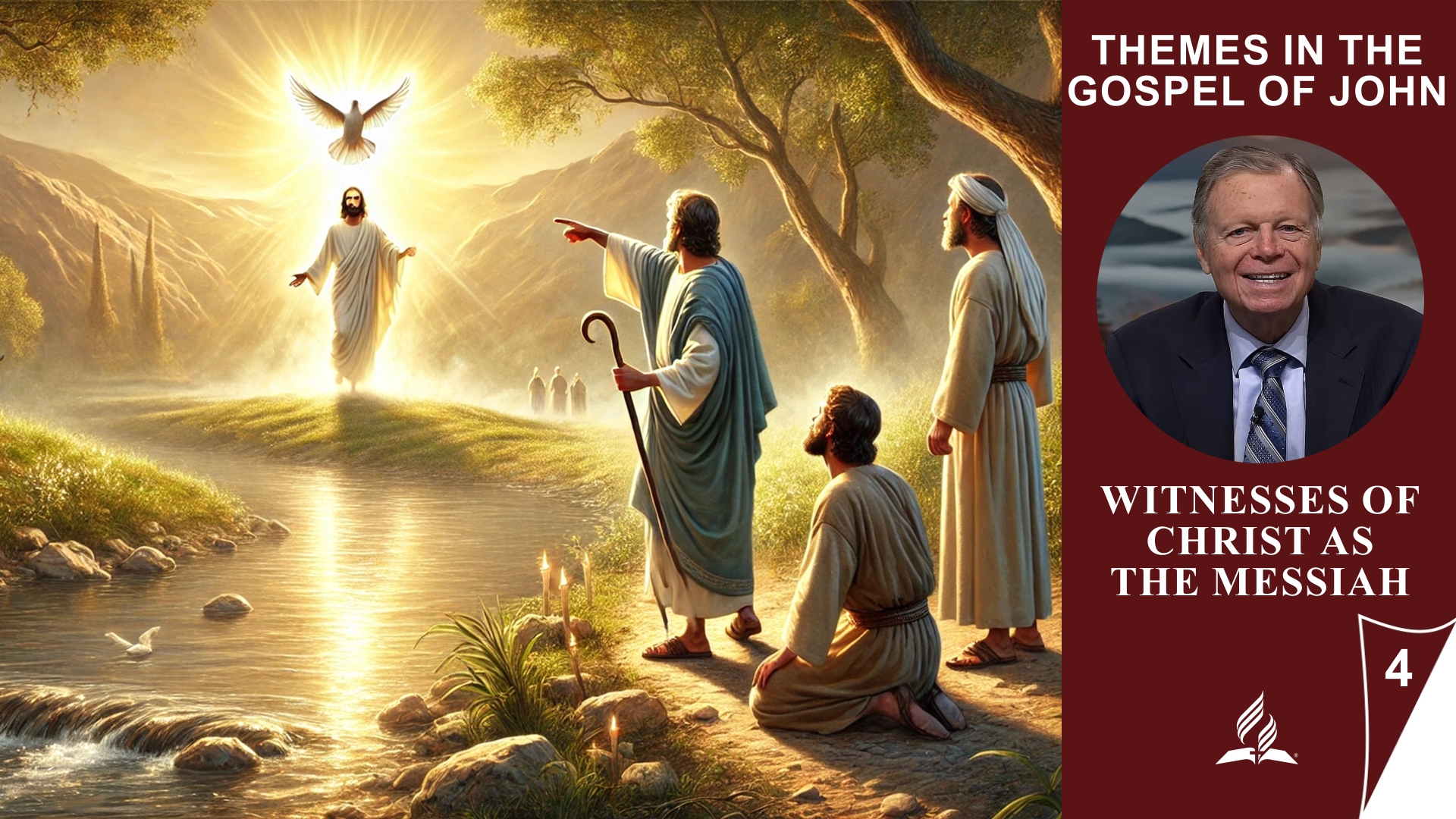
In the Gospel of John (John 1:29–42), it becomes clear that Simon, Andrew, James, and John were already followers of John the Baptist. John the Baptist pointed to Jesus as “the Lamb of God who takes away the sin of the world” (John 1:29). Therefore, the brothers had already heard about the significance of Jesus and had spent some time with him near the Jordan. These encounters and the teachings of John the Baptist prepared them for the moment when Jesus called them.
Mark, however, does not emphasize this background. Instead, he focuses on the immediate and powerful reaction of the disciples to Jesus’ call. This portrayal highlights the power and authority of Jesus: a single call from him is enough to make people leave their previous lives and follow him.
Mark shows the transformative power of Jesus. His call is so penetrating and convincing that the disciples respond without hesitation. Their lives change radically, and they embark on a new path that will change the world. This immediate and decisive response highlights the profound impact Jesus has on people and underscores his divine authority and attraction.
By emphasizing these aspects, Mark underscores the dramatic narrative and the profound significance of Jesus’ calling. It becomes clear that Jesus’ call brings about an immediate and comprehensive change that not only transforms the lives of the disciples but also profoundly impacts human history.
Reflect on what you have given up to follow Jesus. (Think about what your answer means, especially if you can’t think of anything.)
Reflecting on the question of what one has given up to follow Jesus can trigger deep and personal introspection. The answers can vary and are often very individual. Here are some possible aspects and considerations to include in your personal reflection:
  1. Time and Habits:
    • Many people give up a portion of their free time to devote themselves to prayer, Bible study, and church service.
    • Habits that contradict Christian values, such as excessive partying, unethical behavior, or destructive relationships, are often abandoned in favor of a life aligned with Christian principles.
  2. Material Things:
    • Some choose to live a simpler lifestyle to be more generous to others, whether through donations or active involvement in social projects.
  3. Career Choices:
    • Some people choose careers or life paths that align with their faith convictions, even if it means sacrificing financial gain or social status.
  4. Relationships:
    • Following Jesus can mean reevaluating relationships and sometimes distancing oneself from people who have a negative influence on faith and lifestyle.
  5. Personal Ambitions and Dreams:
    • Sometimes following Jesus means giving up or redirecting personal ambitions or dreams to follow God’s will and plan for one’s life.
If you can’t think of anything:
  • This could indicate that you have not yet reflected on your life to the extent that you recognize the changes and sacrifices you have already made.
  • It can also be an invitation to think more deeply about your relationship with Jesus and consider if there are areas in your life where you could act more in line with Jesus’ teachings.
Significance of the Answer:
  • The answer to this question can help you recognize the degree of dedication and commitment in your faith life.
  • It can also inspire you to find new ways to align your life more closely with Jesus’ teachings and to become more intensely committed to following Jesus.
Reflecting on what you have given up to follow Jesus is a valuable exercise that can help deepen your faith and recognize how you can continue to grow in discipleship.

The Call to Discipleship and the Immediate Response of the First Disciples in Mark 1:16–20 Have Profound Implications for Our Daily Life and Faith.
Significance for Daily Life:
  1. Willingness to Change:
    • The disciples immediately left everything to follow Jesus. This willingness to embrace change and embark on new paths is also relevant in our daily lives. It encourages us to be open to God’s guidance, even if it means giving up the familiar and comfortable.
  2. Setting Priorities:
    • Jesus’ call represents a radical realignment of priorities. Instead of putting their profession and previous life first, the disciples now center their lives around following Jesus. This realignment can inspire us to reevaluate our own priorities and place our faith at the center of our lives.
  3. Trust and Dedication:
    • The immediate response of the disciples shows a deep trust in Jesus. We are also invited to live this trust in our daily lives by relying on God’s guidance and entrusting Him with our life’s path.
Significance for Faith:
  1. Universal Call:
    • The calling of fishermen and wealthier disciples shows that Jesus calls people from all social backgrounds. This underscores the universality of the Christian faith and encourages us to accept and include all people in the community.
  2. Transformation Through Discipleship:
    • Jesus promises to make the disciples “fishers of men.” This transformation from a worldly profession to a spiritual mission shows that discipleship can bring about profound change in our lives. Our faith has the potential to impact not only our own lives but also the lives of others.
  3. Decisive Discipleship:
    • The disciples’ determination to follow Jesus immediately challenges us to reflect on our own level of dedication. It invites us to examine the depth of our discipleship and consider whether we are ready to respond to God’s call with determination and without hesitation.
Reflection: What Have You Given Up to Follow Jesus?
  • Time and Habits: Have you realigned your free time to devote yourself to prayer, Bible study, or church service? Have you given up harmful habits?
  • Material Things: Have you given up material things or a certain lifestyle to live more generously and in line with Christian values?
  • Career Choices: Have you given up career paths or ambitions to stay true to your faith?
  • Relationships: Have you reevaluated relationships and possibly ended some to have a positive influence on your faith and lifestyle?
  • Personal Ambitions and Dreams: Have you realigned personal ambitions to follow God’s plan for your life?
Significance of Reflection:
  • Reflecting on these questions can help you recognize the depth of your dedication and identify areas where you can continue to grow. It can inspire you to live your faith more strongly in your daily life and to be more intensely committed to following Jesus.
By reflecting on the call of the disciples and applying it to our own lives, we can develop a deeper connection to our faith and a greater willingness to follow Jesus.

Be willing to reorder your priorities and embrace changes to follow Jesus’ call with all your heart.

Source: https://fulfilleddesire.net/lesson-2-a-day-in-the-ministry-of-jesus-2-1-follow-me-the-book-of-mark-living-faith/

Share this:

  • Click to share on Facebook (Opens in new window) Facebook
  • Click to share on LinkedIn (Opens in new window) LinkedIn
  • Click to share on X (Opens in new window) X
  • Click to share on Pinterest (Opens in new window) Pinterest

Like this:

Like Loading...

Filed Under: Adventist Sermons & Video Clips, Fulfilled Desire

7.07.2024 – Habakkuk Chapter 3 | BELIEVE HIS PROPHETS

July 6, 2024 By admin

July 7, 2024
DAILY BIBLE READING – Habakkuk Chapter 3
1 A prayer of Habakkuk the prophet upon Shigionoth.
2 O Lord, I have heard thy speech, and was afraid: O Lord, revive thy work in the midst of the years, in the midst of the years make known; in wrath remember mercy.
3 God came from Teman, and the Holy One from mount Paran. Selah. His glory covered the heavens, and the earth was full of his praise.
4 And his brightness was as the light; he had horns coming out of his hand: and there was the hiding of his power.
5 Before him went the pestilence, and burning coals went forth at his feet.
6 He stood, and measured the earth: he beheld, and drove asunder the nations; and the everlasting mountains were scattered, the perpetual hills did bow: his ways are everlasting.
7 I saw the tents of Cushan in affliction: and the curtains of the land of Midian did tremble.
8 Was the Lord displeased against the rivers? was thine anger against the rivers? was thy wrath against the sea, that thou didst ride upon thine horses and thy chariots of salvation?
9 Thy bow was made quite naked, according to the oaths of the tribes, even thy word. Selah. Thou didst cleave the earth with rivers.
10 The mountains saw thee, and they trembled: the overflowing of the water passed by: the deep uttered his voice, and lifted up his hands on high.
11 The sun and moon stood still in their habitation: at the light of thine arrows they went, and at the shining of thy glittering spear.
12 Thou didst march through the land in indignation, thou didst thresh the heathen in anger.
13 Thou wentest forth for the salvation of thy people, even for salvation with thine anointed; thou woundedst the head out of the house of the wicked, by discovering the foundation unto the neck. Selah.
14 Thou didst strike through with his staves the head of his villages: they came out as a whirlwind to scatter me: their rejoicing was as to devour the poor secretly.
15 Thou didst walk through the sea with thine horses, through the heap of great waters.
16 When I heard, my belly trembled; my lips quivered at the voice: rottenness entered into my bones, and I trembled in myself, that I might rest in the day of trouble: when he cometh up unto the people, he will invade them with his troops.
17 Although the fig tree shall not blossom, neither shall fruit be in the vines; the labour of the olive shall fail, and the fields shall yield no meat; the flock shall be cut off from the fold, and there shall be no herd in the stalls:
18 Yet I will rejoice in the Lord, I will joy in the God of my salvation.
19 The Lord God is my strength, and he will make my feet like hinds’ feet, and he will make me to walk upon mine high places. To the chief singer on my stringed instruments.
King James Version. Public Domain


Commentary
Introduction:
Habakkuk 3 is a powerful and poetic psalm of the prophet, representing a prayer and praise to God. It is a response to the divine revelations and answers that Habakkuk received in the previous chapters. This psalm expresses both awe at God’s power and trust in His mercy and justice.
Verses 1-2: A Prayer for Renewal
Habakkuk begins with a prayer acknowledging God’s power and wonders. He asks God to make His work known in the midst of the years and to show mercy in times of distress. This demonstrates the prophet’s trust in God’s ability to bring both judgment and grace.
Verses 3-7: A Vision of God’s Glory
In these verses, Habakkuk describes a majestic vision of God’s appearance. God comes from Mount Paran, surrounded by light and rays that reveal His power. Pestilence and plague go before Him, and the earth quakes at His presence. These powerful images emphasize God’s overwhelming power over nature and nations.
Verses 8-15: God’s Intervention in History
Habakkuk recalls God’s mighty deeds in history, especially the deliverance of Israel. He describes God’s wrath over the waters and His riding on horses, indicating His control over the elements and His ability to fight for His people. Nature responds to God’s presence, and the heathens are shattered. These passages highlight that God actively intervenes in history to save His people and bring justice.
Verses 16-19: Trust and Joy Amidst Troubles
Habakkuk concludes with a personal reflection on his response to God’s revelation. Though he is gripped by fear and trembling, he chooses to wait quietly until the time of distress passes. He acknowledges that there will be times when the harvest fails and the flocks disappear, yet despite these adversities, he will rejoice in the Lord and exult in God, his salvation. He affirms his trust in God’s strength and His ability to carry him through difficult times, comparable to a deer that leaps securely over the heights.
Conclusion:
Habakkuk 3 is a moving example of deep trust and faith in God, even in the face of great difficulties and uncertainties. The prophet shows us how to acknowledge God’s power and justice while hoping for His mercy. Habakkuk’s praise and trust in God serve as inspiration and encouragement for all believers to rely on God during tough times and to find joy in His presence.


WEEKLY SPIRIT OF PROPHECY READING – Ellen White | The Desire of Ages Chapter 45: The Foreshadowing of the Cross
This chapter is based on Matthew 16:13-28; Mark 8:27-38; Luke 9:18-27.
Read online here


Commentary
Introduction:
This chapter deals with the profound preparation and awareness of Jesus regarding his impending suffering and death. Based on the Gospels of Matthew, Mark, and Luke, it highlights Jesus’ foreknowledge of his path to the cross and his dedication to fulfilling God’s will.
Jesus’ Awareness of His Suffering:
Jesus was fully aware of the pain and agony that awaited him. Even before his incarnation, he had foreseen the entire path of suffering. Despite knowing the impending torments, insults, and deprivations, he chose to walk this path out of love for humanity. His willingness to fulfill God’s will demonstrates his deep dedication and obedience to the Father.
The Significance of the Cross:
The cross is a central symbol in this chapter. Jesus saw it not only as an instrument of his suffering but also as a means of redeeming humanity. Despite the impending pain, he was encouraged by the prospect of human salvation. His suffering and death were meant to bring people back to faithfulness to God.
Preparation of the Disciples:
Jesus prepared his disciples for the upcoming events. He knew they would witness his crucifixion and death and wanted to strengthen them. In a city near Caesarea Philippi, far from the influence of the Jews, he spoke with them about their faith and reaffirmed their conviction that he was the Messiah.
Peter’s Confession:
Peter confessed that Jesus was the Christ, the Son of the living God. Jesus praised him for this and explained that this revelation did not come from human wisdom but through divine inspiration. This recognition formed the foundation of the disciples’ faith and the future Church.
The Announcement of Jesus’ Suffering:
For the first time, Jesus spoke openly about his impending suffering and death. This announcement deeply shocked the disciples, as they were still hoping for an earthly kingdom. Peter’s attempt to dissuade Jesus was sharply rebuked by Jesus, as he misunderstood the divine mission.
The Concept of Self-Denial:
Jesus explained to his disciples the necessity of self-denial and taking up the cross. This meant denying one’s own self and being willing to endure suffering for the sake of Christ. This message was and still is a central teaching of the Christian faith.
Encouragement through the Promise:
Jesus encouraged his disciples with the promise of his coming kingdom in glory. Although they did not fully grasp the depth of his words, he gave them hope that they would ultimately see his glory.
Conclusion:
Chapter 45 shows the profound preparation and awareness of Jesus regarding his suffering and his dedication to fulfilling God’s will. It emphasizes the necessity of self-denial and taking up the cross for every follower of Christ. The disciples were prepared for the coming trials while Jesus simultaneously encouraged them with the hope of his ultimate glory. These teachings remain relevant today and inspire believers to remain steadfast in their faith and follow Jesus.


WEEKLY SPIRIT OF PROPHECY READING – Ellen White | The Desire of Ages Chapter 46: He Was Transfigured
This chapter is based on Matthew 17:1-8; Mark 9:2-8; Luke 9:28-36.
Read online here


Commentary
Introduction:
Chapter 46 describes the Transfiguration of Jesus, based on accounts from the Gospels of Matthew, Mark, and Luke. This episode reveals a significant disclosure of Jesus’ divine nature and provides the disciples with a brief glimpse of heavenly glory.
The Ascent on the Mountain:
Jesus takes Peter, James, and John with him to a secluded mountain. Although they are exhausted, the disciples follow their Master into the evening hours. The darkness enveloping the mountain symbolizes the sorrow and trials that Jesus and his disciples will soon face.
Jesus’ Prayer:
Jesus moves a short distance from the disciples to bring his concerns and needs before the heavenly Father in prayer. He asks for strength to endure the forthcoming suffering and for a revelation of his glory to strengthen the disciples’ faith. Despite their efforts to stay awake, the disciples are overcome with fatigue and fall asleep.
The Transfiguration:
While Jesus prays, the heavens open, and a holy radiance envelops him. The divine within him shines through his human form, and his appearance becomes as bright as the sun. Moses and Elijah appear and converse with Jesus about his impending death in Jerusalem.
Significance of Moses and Elijah:
Moses represents those who will be resurrected at Christ’s return, while Elijah represents those who will be transformed without experiencing death at Christ’s return. Their presence confirms Jesus’ divinity and the fulfillment of Old Testament prophecies.
The Disciples’ Reaction:
The disciples awaken and are overwhelmed by the heavenly glory. In his enthusiasm, Peter suggests building three shelters to preserve this moment. However, the significance of the Transfiguration lies not in earthly reign but in the confirmation of Jesus’ divine mission, which must pass through the cross.
God’s Voice:
A bright cloud overshadows them, and God’s voice declares, “This is my beloved Son, with whom I am well pleased; listen to him.” The disciples fall to the ground in fear until Jesus calms them and helps them up. This experience strengthens their faith and gives them a deeper understanding of Jesus’ identity and mission.
Conclusion:
The Transfiguration is a significant revelation of Jesus’ divine nature and serves to strengthen the disciples’ faith and prepare them for the upcoming sufferings. It shows that Jesus is indeed the Messiah foretold by the prophets and that his suffering and death are part of the divine plan of redemption. The Transfiguration gives the disciples a foretaste of future glory and confirms that Jesus is the Son of God, whom they are to follow.

Source: https://fulfilleddesire.net/7-07-2024-habakkuk-chapter-3-believe-his-prophets/

Share this:

  • Click to share on Facebook (Opens in new window) Facebook
  • Click to share on LinkedIn (Opens in new window) LinkedIn
  • Click to share on X (Opens in new window) X
  • Click to share on Pinterest (Opens in new window) Pinterest

Like this:

Like Loading...

Filed Under: Adventist Sermons & Video Clips, Fulfilled Desire

  • « Previous Page
  • 1
  • …
  • 201
  • 202
  • 203
  • 204
  • 205
  • …
  • 700
  • Next Page »

SkyScraper

Intercer Ministry – Since 1997!

We’re on Pinterest!

Partners


The Seven Thunders Ministry

Recent Posts

  • Tomorrow, December 2, Is Giving Tuesday — And Adventist Today Needs You
  • AdventInnovate: Reclaiming the Prophet (Special Event)
  • ⚓HEART ANCHOR | 02 December 2025 | 3.Steadfast in the Small Things – Faithfulness Begins in Everyday Life | 🛡️DANIEL – STRONG IN FAITH. FAITHFUL IN THE FIRE | Youth Devotional
  • Tuesday: Joshua, the Type
  • Giving Tuesday – Trinity Broadcasting | Doug Batchelor (Amazing Facts)

About Intercer

Intercer is a website with biblical materials in Romanian, English, Hungarian and other languages. We want to bring the light from God's Word to peoples homes. Intercer provides quality Christian resources...[Read More]

Lucian Web Service


Intercer is proudly sponsored by Lucian Web Service - Professional Web Services, Wordpress Websites, Marketing and Affiliate Info. Lucian worked as a subcontractor with Simpleupdates, being one of the programmers for the Adventist Church Connect software. He also presented ACC/ASC workshops... [read more]

Archives

Follow @intercer

Categories

[footer_backtotop]

Website provided by: Intercer Romania · Intercer Canada · Lucian Web Service · Privacy · Log in


%d