Come una barca costruita per salpare, anche tu sei stato creato per scoprire la bellezza della vita. Lascia il porto. Scopri il mare. E trova #speranzainDio Source: https://www.youtube.com/shorts/aY8IrLNTGE8
Thursday: Hail, Locusts, and Darkness
Daily Lesson for Thursday 24th of July 2025
Read Exodus 9:13-35; Exodus 10:1-29. How successful are these plagues in getting Pharaoh to change his mind?
Nut was the Egyptian goddess of the sky and heavens and was often depicted as controlling what happened under the sky and on the earth. Osiris was the god of crops and fertility. In the Bible, hail is often associated with God’s judgment (Isaiah 28:2,17; Ezekiel 13:11-13). During this plague, those who hide their property in a safe shelter will be protected (Exodus 9:20-21). Everyone is now tested: will they, or will they not, believe God’s Word and act accordingly?
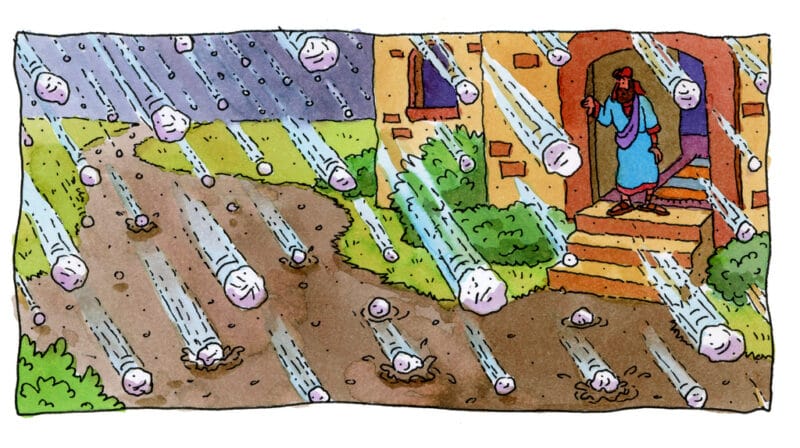
Image © Educational Concepts Collection at Goodsalt.com
God announces that His purpose in letting Pharaoh live is for the whole earth to know Him (Exodus 9:16). The king of Egypt now confesses that he has sinned, but later he changes his mind.
The Egyptian god of storm, war, and disorder was called Seth. Together with Isis, they were considered agriculture deities. Shu was a god of the atmosphere. Serapis personified divine majesty, fertility, healing, and afterlife. Not one of the Egyptian gods could stop God’s judgments (Exodus 10:4-20) because idols are nothing (Isaiah 44:9-10,12-17).
Pharaoh’s servants urged him to let Israel go, but he refused again. He offered a compromise, which Moses rightly rejected because women and children are a vital and inseparable part of worship and the faith community.
Finally, Ra was the principal Egyptian god, the sun god. Thoth was a moon god. Neither was able to give light. Pharaoh again tries to bargain, but in vain. A three-day period of darkness struck Egypt, but there was light where the Israelites lived. The separation could not be more spectacular.
Yet, no matter the battering that his nation took, Pharaoh was determined to fight back and not to relent. Though we don’t know his deeper motives, at some point it could have become purely a pride thing. No matter how powerful the evidence, no matter how obvious it was what was happening (even his own servants declared, “ ‘How long shall this man be a snare to us? Let the men go, that they may serve the Lord their God. Do you not yet know that Egypt is destroyed?’ ” [Exodus 10:7, NKJV]), and no matter that the correct choice was right there before him—after a bit of waffling, Pharaoh still refused to surrender to God’s will and let the people go.
What a dramatic example of the words “Pride goes before destruction, and a haughty spirit before a fall” (Proverbs 16:18, NKJV).
 (0)
(0)Source: https://ssnet.org/blog/25c-04-hail-locusts-and-darkness/
Cleasning the Temple | Kishore Isaac | Bible Study | July 16, 2025
From outer courts to inner hearts—what Jesus wants to cleanse in you Source: https://www.youtube.com/watch?v=CiusCfUtJUs
SATIRE: Pastor Reminds Flock: “God Loves a Cheerful Giver — But We’ll Settle for a Terrified One”
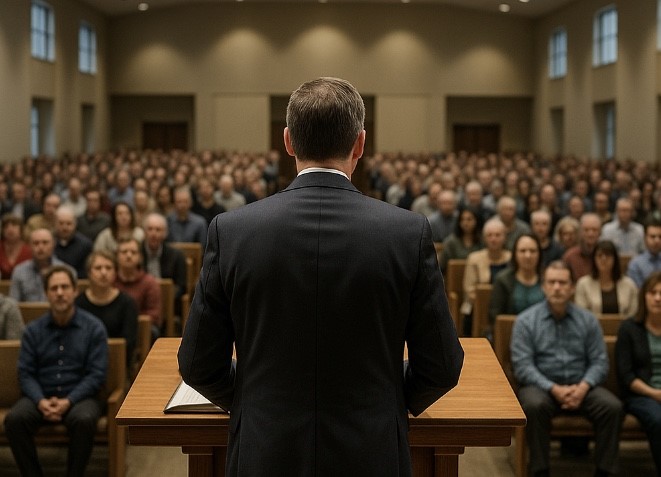
Cheapend, ENGLAND — In a stirring Sabbath morning appeal that left the congregation equal parts confused and alarmed, Pastor Cliff Remnant reminded his flock this past weekend that “God loves a cheerful giver—but we’ll settle for a terrified one.” The statement was delivered during the offering call, just after the children’s story and right before […] Source: https://atoday.org/satire-pastor-reminds-flock-god-loves-a-cheerful-giver-but-well-settle-for-a-terrified-one/
God First: Your Daily Prayer Meeting #1062
"If you believe, you will receive whatever you ask for in prayer" (Matthew 21:22, NIV).
Tag someone in need of prayer, and kindly share your prayer requests here:
https://wkf.ms/3DBuapQ Source: https://www.youtube.com/watch?v=ZK7mXnVhZLs

