Daily Lesson for Sunday 6th of September 2026
The context of 2 Corinthians 8:1-24 and 9 has to do with Paul’s encouraging members in Corinth to complete a fundraiser for the impoverished churches in Judea. Apparently, they had already committed to doing that (2 Corinthians 8:10-11; 2 Corinthians 9:5; see also 1 Corinthians 16:1-4), but relationship issues between them and Paul had complicated things. After dealing with these issues (2 Corinthians 1:1-24; 2 Corinthians 2:1-17; 2 Corinthians 3:1-18; 2 Corinthians 4:1-18; 2 Corinthians 5:1-21; 2 Corinthians 6:1-18; 2 Corinthians 7:1-16), Paul now turns to the conclusion of that task (2 Corinthians 8:1-24; 2 Corinthians 9:1-15).
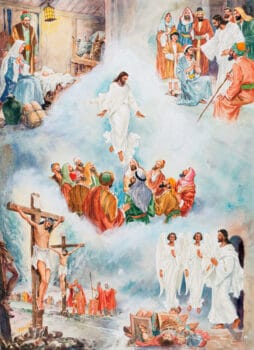
Image © Review & Herald Publishing at Goodsalt.com
Initially, Paul appeals to the example of the Macedonians (2 Corinthians 8:1-7), whose extreme poverty did not prevent them from overflowing “in a wealth of generosity” (2 Corinthians 8:2, ESV). Yes, poverty and generosity can walk together. However, this admirable generosity of the Macedonians is but a replication of Jesus’ generosity in giving Himself for us (2 Corinthians 8:8-15).
Read 2 Corinthians 8:9. What does this passage tell us about the example of Jesus?
Paul’s statement in 2 Corinthians 8:9 is one of the most astonishing, powerful, and profound passages in the whole Bible. Paul tells the story of Jesus’ mission but with an incredible economy of words. There is so much theology here. This is the story of redemption but in only one verse.
Even more impressive is that this story is told through financial language. Yes, Jesus was rich. His richness refers to His pre-existence in heaven (John 17:5). He decided to become poor by giving up the heavenly glory and coming to this world of sorrows. He became literally poor (Luke 9:58). Although He was equal with God, He “emptied Himself by taking the form of a bond-servant and being born in the likeness of men” (Philippians 2:7, NASB). “And being found in human form, he humbled himself by becoming obedient to the point of death, even death on a cross” (Philippians 2:8, ESV).
Jesus gave His own life so that we might live forever with Him. His offering had a purpose: our salvation. Stewardship and mission go together. 2 Corinthians 8:1-24; 2 Corinthians 9:1-15 tells the story of a particular money offering, but this story is based upon Jesus. During this week, we will see theological principles related to the practice of offering gifts that are based on Christ’s offering of Himself.
|
Dwell on the birth, life, death, and resurrection of Jesus. When you realize that all this was done for you so that you can have hope of something beyond this miserable existence here, what should your reaction be? |