
The Great Controversy Chapter 25: What is the Mark of the Beast? | Pastor Ted Wilson
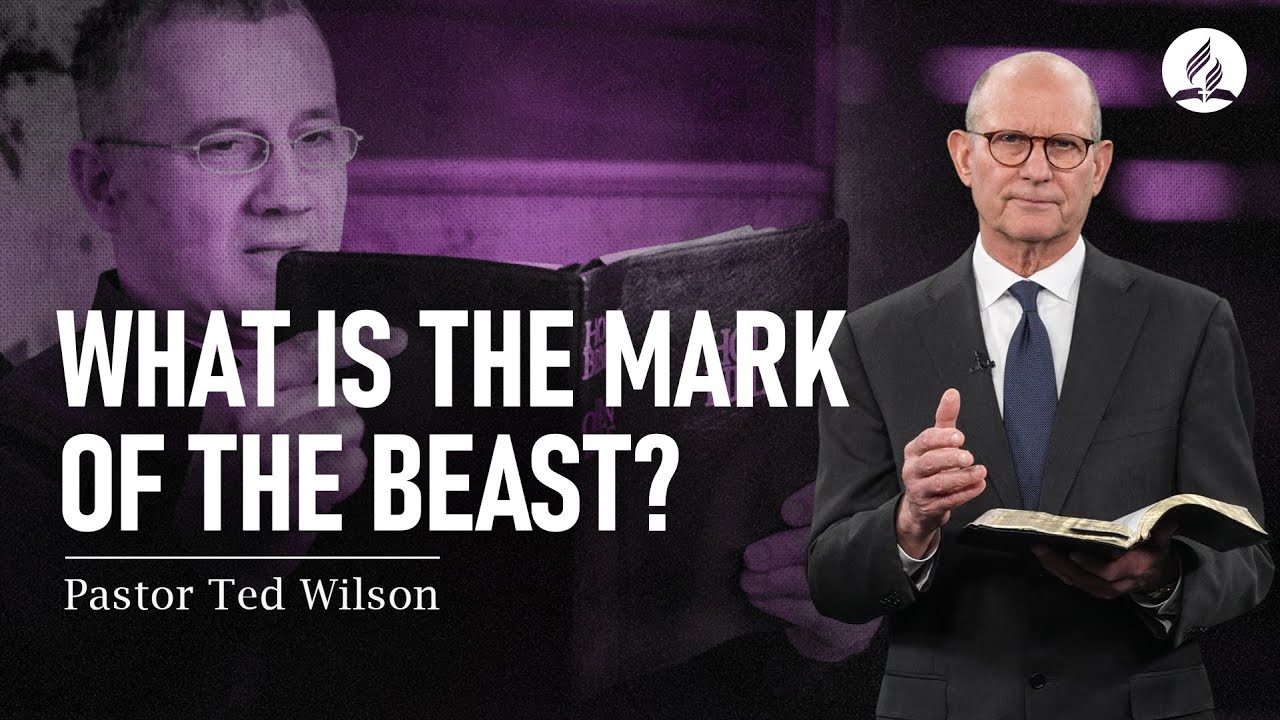
Join Pastor Ted Wilson, president of the Seventh-day Adventist Church, as he finishes discussing Chapter 25 of The Great Controversy by Ellen White, in which we learn from the prophecies of Daniel and Revelation that there will come a time when everyone will need to choose for themselves whether to follow what is in the Word of God, or what has been created by man.
Has anyone received the Mark of the Beast up to this time? How can we be sure we won’t accept it accidentally? Where is our assurance? Listen to the whole discussion for answers.
To learn more about the Sabbath and its importance to your life, read The Great Controversy by Ellen White at https://greatcontroversyproject.org/ and join us next week for more.
Adventist News Network – April 5, 2024

Adventist News Network – April 5, 2023 |
This week on ANN: |
Explore how ADRA is combating youth unemployment in Uruguay with innovative free courses. |
Discover a Brazilian Adventist student’s art journey to Paris’ Louvre Museum. |
Learn about the empowerment of Moldovan pastors through targeted evangelism training. |
Plus, witness a persecuted Muslim’s remarkable conversion story. |
These compelling narratives and more highlight this week’s global Adventist community efforts. |
Stay tuned for these inspiring stories.
Source: https://fulfilleddesire.net/adventist-news-network-april-5-2024/
Lesson 1.The War Behind All Wars | 1.6 Summary


1.6 Summary
Cosmic Conflicts and the Path to Redemption
Lesson 1 focuses on the central theological perspective of the great battle between good and evil as portrayed in the Bible. The lesson begins with the depiction of the origin of evil and how it has led to the separation between God and humanity. Despite this separation, the lesson also emphasizes God’s unconditional love and care for humanity.
A central focus is on the role of Jesus Christ as our High Priest and Advocate. Through His life, death, and resurrection, Jesus has made the path to redemption and the restoration of the relationship between God and humanity possible. The examination of scriptures such as Hebrews 4:15-16 and 7:25 shows how these truths can give us hope and confidence amidst temptations, sufferings, and uncertainties.
Another highlight of the lesson is Jesus’ High Priestly Prayer in John 17:24-26. This prayer reveals Jesus’ deep longing for us to be in eternal communion with Him in heaven. This desire underscores the urgency and significance of redemption and highlights Jesus’ boundless love and care for each one of us.
Lastly, the lesson illuminates the significance and value of each individual in God’s eyes. Despite our mistakes, weaknesses, and sins, Jesus sees us as valuable, loved, and invaluable. His sacrifice on the cross is the ultimate proof of His love, grace, and desire to redeem us and live in a deep, loving relationship with Him.
Overall, Lesson 1 offers a deep insight into the central theological concepts of the great battle between good and evil, the role of Jesus as our High Priest and Advocate, and God’s boundless love and care for each one of us. It invites us to trust in these truths, turn to Jesus, and find our hope and confidence in Him, no matter what challenges life brings.

The connection between Lesson 1 “The War Behind All Wars” and our everyday life as well as our faith is profound and shaping. Here are some key connections:
-
Hope in Times of Challenge: Understanding the great battle between good and evil offers us hope amidst the daily challenges we face. When we see the causes of suffering, temptations, and injustices as part of this larger cosmic conflict, we can find comfort in knowing that God will ultimately prevail.
-
Personal Relationship with Jesus: Knowing Jesus as our High Priest and Advocate encourages us to build a deeper and more personal relationship with Him in our daily lives. We can entrust ourselves to Him, share our fears, worries, and needs with Him, and rely on His intercession and guidance.
-
Value and Significance of Each Individual: The realization that we are valuable and loved in God’s eyes gives us self-esteem and confidence in our daily lives. This can help us act with self-respect and dignity and treat others with respect and love as well.
-
Decision Making and Life Guidance: Awareness of the great battle between good and evil can influence our decision-making and life guidance. By aligning ourselves with the good and letting ourselves be guided by God and His Word, we can make better decisions and lead a more fulfilling and meaningful life.
-
Faith as a Source of Strength: In the highs and lows of life, we can rely on our faith to find strength, hope, and comfort. The insights from Lesson 1 remind us that we are not alone and that God supports and accompanies us in our difficulties, temptations, and sufferings.
In summary, Lesson 1 offers us a solid theological foundation and spiritual perspective that can shape our daily lives and our faith. It reminds us of God’s boundless love, care, and forgiveness, challenges us to live in a deep relationship with Jesus, and gives us hope, strength, and comfort amidst the challenges and joys of life.

1.If God knew that Lucifer would rebel, why did He give him free will in the first place? Or why didn’t God destroy Lucifer immediately when he rebelled? How would the unfallen universe have reacted if God had immediately obliterated Lucifer? Why is the universe’s interest in the plan of redemption (1 Peter 1:12; Revelation 5:13; 16:7) so crucial to understanding the Great Controversy?
These questions touch upon deep and complex theological considerations concerning the understanding of God’s character, His sovereignty, and His plan for the universe. There are various theological views and interpretations on these questions, but I will attempt to elucidate some of the main thoughts.
-
Free Will and God’s Character: If God hadn’t given Lucifer or anyone else free will, it wouldn’t have been true freedom. True love and worship cannot be forced; they must be voluntary. God created angels and humans with the ability to choose because He desired an authentic, loving relationship with His creatures.
-
Why Not Immediate Destruction?: Immediate destruction of Lucifer or other rebellious beings could have raised questions about God’s character and sovereignty in the eyes of the unfallen universe. By granting Lucifer and his followers time and space, God showed patience, long-suffering, and justice. It also allowed the universe to better understand the consequences of sin and the depth of God’s love and justice.
-
Reaction of the Unfallen Universe: Immediate destruction of Lucifer could have raised questions, mistrust, or uncertainties about God’s character in the unfallen universe. Through God’s patience and justice in dealing with rebellion, the nature of sin, rebellion, and God’s character was clarified in a deeper context to the universe.
-
Universe’s Interest in the Plan of Redemption: The mentioned Bible verses (1 Peter 1:12; Revelation 5:13; 16:7) indicate that the unfallen universe has a deep interest in the plan of redemption. This is crucial for understanding the Great Controversy because it shows that the plan of redemption is not only relevant to Earth but concerns the entire universe. Redemption demonstrates God’s boundless love, justice, and wisdom and ultimately answers the questions and concerns raised by Lucifer’s rebellion.
Overall, these considerations emphasize the complexity of God’s character, His intentions, and the universal context of the Great Controversy. It challenges us to think deeper about God’s love, justice, and the plan of redemption and recognize how these principles shape and form the entire universe.
2.What reason or reasons do you think of for Christ’s death on the cross? Was it only to reveal God’s character? Was Jesus’ death meant to pay the price for sin? If so, to whom was the ransom paid? Share your thoughts and provide biblical reasons for them.
The death of Jesus on the cross is a central theme of the Christian faith and has a variety of reasons and meanings outlined in the Bible. Here are some of the main reasons for Christ’s death on the cross and the corresponding biblical foundations:
-
Revelation of God’s Character:
-
-
Biblical Reason: John 14:9 – Jesus says, “Whoever has seen me has seen the Father.”
-
Explanation: Jesus came to show us the true character of God. Through His life, ministry, and sacrifice on the cross, He revealed God’s love, grace, justice, and holiness in the clearest and deepest way.
-
-
Payment for the Price of Sin:
-
-
Biblical Reason: Romans 5:8 – “But God demonstrates his own love for us in this: While we were still sinners, Christ died for us.”
-
Explanation: Jesus’ death on the cross was necessary to pay the price for sin. Sin separates humanity from God, and Christ’s death enabled reconciliation and restoration of the relationship between God and humanity.
-
-
Ransom for Humanity:
-
-
Biblical Reason: Matthew 20:28 – “The Son of Man did not come to be served, but to serve, and to give his life as a ransom for many.”
-
Explanation: The ransom paid by Jesus’ death was intended for humanity. It was the price paid to free us from the bondage of sin and death. Jesus willingly gave His life to grant us freedom and eternal life.
-
-
Victory over the Powers of Darkness:
-
-
Biblical Reason: Colossians 2:15 – “And having disarmed the powers and authorities, he made a public spectacle of them, triumphing over them by the cross.”
-
Explanation: Through His death and resurrection, Jesus achieved a definitive victory over the powers of darkness. He gained authority and control over Satan, sin, and death and offers us the opportunity to live in His victory.
-
In summary, the death of Jesus on the cross serves multiple purposes: it reveals God’s character, pays the price for sin, serves as a ransom for humanity, and secures a definitive victory over the powers of darkness. Each of these aspects contributes to demonstrating the depth, breadth, and height of God’s love and His plan of salvation for humanity.
3.What do we mean when we use the term “the Great Controversy”? Discuss the various aspects of the Great Controversy and how this week’s lesson is applicable to your life.
The term “the Great Controversy” refers to the spiritual conflict between good and evil that is present throughout biblical history and human experience. This struggle has various aspects that we can discuss:
-
Rebellion and Sin:
-
-
The conflict began with Lucifer’s rebellion in heaven and the seduction of Adam and Eve in the Garden of Eden. Sin and disobedience to God are the main causes of this conflict.
-
Applicability: Every individual faces the daily choice to obey God or follow their own ways. The decisions we make have direct implications on the Great Controversy in our own lives.
-
-
Plan of Redemption:
-
-
God introduced a plan of redemption through Jesus Christ to free humanity from the power of sin and death.
-
Applicability: Accepting this plan of redemption through faith in Jesus Christ allows us to stand by God’s side in the Great Controversy and experience His power and help in daily life.
-
-
Character of God and the Universe as Spectators:
-
-
The universe watches the outcome of this conflict, gaining important insights into God’s character, justice, and love.
-
Applicability: Our lifestyle and testimony as Christians influence how the universe interprets God’s character and actions. We are ambassadors for God in this Great Controversy.
-
-
Personal Spiritual Struggle:
-
-
Every believer experiences a personal spiritual struggle, fighting against temptations, doubts, and spiritual challenges.
-
Applicability: The lesson reminds us that with God’s help, we can be victorious in this personal struggle. We can rely on God’s Word and the Holy Spirit to guide and strengthen us.
-
In summary, the Great Controversy is a universal theme that concerns the entire creation. It deals with fundamental questions of good and evil, obedience and disobedience, redemption and destruction. For our daily lives, this means that we are constantly engaged in a spiritual conflict and must make the right choices. This week’s lesson reminds us that we are not alone in this struggle. With God’s help and through faith in Jesus Christ, we can be victorious and have a positive influence on the universe and the people around us.
4.Which Bible texts speak of the reality of the Great Controversy? (See e.g., Job 1; 2; Eph 6:12)
The Great Controversy between good and evil is a central theme in the Bible and is addressed in various books and chapters. Here are some Bible texts that speak of the reality of this conflict:
-
Job 1 and 2:
-
-
These chapters describe how Satan appears before God and tests Job. Satan questions Job’s faithfulness, claiming that Job would forsake God if he were deprived of his blessings. This example clearly shows the Great Controversy between God and Satan and how individuals like Job are drawn into this conflict.
-
-
Ephesians 6:12:
-
-
“For our struggle is not against flesh and blood, but against the rulers, against the authorities, against the powers of this dark world and against the spiritual forces of evil in the heavenly realms.”
-
This verse speaks of the invisible spiritual dimension of the Great Controversy. It emphasizes that our main adversary is not human but spiritual – it is the dark forces and powers working against God.
-
-
1 Peter 5:8-9:
-
-
“Be alert and of sober mind. Your enemy the devil prowls around like a roaring lion looking for someone to devour. Resist him, standing firm in the faith, because you know that the family of believers throughout the world is undergoing the same kind of sufferings.”
-
This verse emphasizes the need for vigilance and resistance against Satan, who constantly tries to deceive and seduce believers.
-
-
2 Corinthians 10:3-5:
-
-
“For though we live in the world, we do not wage war as the world does. The weapons we fight with are not the weapons of the world. On the contrary, they have divine power to demolish strongholds. We demolish arguments and every pretension that sets itself up against the knowledge of God, and we take captive every thought to make it obedient to Christ.”
-
Paul speaks here of a spiritual battle and emphasizes that our weapons are not human but divine. It is about exposing false thoughts and arguments and defeating them with the truth and power of God.
-
These Bible texts illustrate the reality of the Great Controversy in which we are all involved, whether we recognize it or not. They remind us that the spiritual battle is real and intense but also that God has equipped us with the necessary resources and weapons to stand firm and be victorious.
5.To what extent is the understanding of Seventh-day Adventists unique among other Christian denominations? What aspects of the Great Controversy differentiate Adventists from other Christians?
Seventh-day Adventists hold some unique beliefs that set them apart from many other Christian denominations. Some of these beliefs are directly related to the concept of the Great Controversy. Here are some prominent aspects:
-
Sabbath as the Day of Rest: Adventists observe the Sabbath (Saturday) as the biblical day of rest, emphasizing its significance as a reminder of creation and as a sign of loyalty to God in the Great Controversy. This belief sets them apart from most other Christian denominations that consider Sunday as their primary day of worship.
-
Health Teachings: Adventists place great emphasis on a healthy lifestyle that respects the body as the temple of God. This often includes a vegetarian diet, abstinence from alcohol and tobacco, and an emphasis on physical fitness. These beliefs are closely linked to their understanding of the Great Controversy, as they believe that physical and mental health are crucial in this conflict.
-
Heavenly Sanctuary Service: Adventists have a unique teaching about the heavenly sanctuary service, which holds a central place in their theological understanding of the Great Controversy. They believe that since 1844, Christ has been serving as the High Priest in the final phase of His heavenly ministry, marking a special period of investigation and preparation for His second coming.
-
Prophetic Interpretation: Adventists have their own prophetic interpretation, often associated with the visions of Ellen G. White, a co-founder of the movement. Their prophetic viewpoint offers specific insights into the Great Controversy that differ from many traditional Christian interpretations.
-
End-Time Belief: Adventists place strong emphasis on the expectation of the end times and believe that they play a special role in the Great Controversy, particularly in terms of spreading the gospel and preparing people for the second coming of Christ.
These unique beliefs and practices of Seventh-day Adventists offer a specific perspective on the Great Controversy, setting them apart from many other Christian denominations. They emphasize the relevance and urgency of this conflict and call for faithfulness in all aspects of life—spiritually, physically, and prophetically—and standing up for the truth and justice of God.
Source: https://fulfilleddesire.net/lesson-1-the-war-behind-all-wars-1-6-summary/
Lesson 1.The War Behind All Wars | 1.5 Our High Priest


1.5 Our High Priest
The High Priest of Our Trust: Jesus’ Intercession and Care Read
Hebrews 4:15-16 and 7:25. How do these verses give us confidence in a world full of temptation, suffering, illness, and death?
The mentioned verses from the Book of Hebrews indeed offer us profound confidence and hope, especially in a world characterized by temptation, suffering, illness, and death.
-
Temptations and Human Weaknesses
In Hebrews 4:15, it is emphasized that Jesus was tempted in every way just like us but without sin. This means He fully understands the human experience, including our weaknesses, temptations, and the struggle against sin. In a world where temptations are omnipresent and no one is perfect, this understanding provides us comfort and encouragement. We are not alone in our struggles; Jesus understands and stands by our side.
-
Access to the Throne of Grace
Hebrews 4:16 encourages us to come boldly to the throne of grace to find mercy and grace in our times of need. This verse reminds us that we can have a direct and open relationship with God through Jesus Christ. Even in our most challenging moments, we can find refuge, comfort, and help in God. The cross has opened the way to divine grace and mercy, and we can seek refuge and strength in His presence at any time.
-
Redemption and Freedom through Christ
Hebrews 7:25 speaks of Jesus as our advocate with God, who always lives to intercede for us. This means we are not solely responsible for our sins and mistakes. Jesus stands by our side to defend, guide, and strengthen us. His constant intercession gives us the assurance that despite our imperfections, we are loved, accepted, and redeemed.
In a world full of challenges, uncertainties, and suffering, these verses from the Book of Hebrews provide a solid foundation for our hope and confidence. They remind us that through Jesus Christ, we have a direct relationship with God, that we are understood, loved, and redeemed, and that we can find support and strength in our struggles and weaknesses. The cross stands as a symbol of God’s unconditional love, mercy, and the possibility of redemption, offering hope and comfort in every life situation.
Read John 17:24-26. What is Christ’s earnest desire in the great struggle between good and evil?
In John 17:24-26, known as Jesus’ High Priestly Prayer, Jesus expresses His earnest desire for His disciples and all future believers.
-
Jesus’ Earnest Desire
Jesus’ earnest desire in the great struggle between good and evil is clear and profound: He wants His disciples and all who believe in Him to be with Him in heaven. Jesus wants us to see His glory and partake in His love. His heart burns with love for us, and His greatest wish is for us to have the same deep relationship with the Father as He does.
-
Significance for Us
The fact that Jesus expresses this desire in His final prayer before His suffering and death shows the urgency and importance of this matter. It is an expression of His unconditional love for us and His intention to redeem us and unite us with Himself in heaven.
-
Personal Relationship with Jesus
Knowing about this earnest desire of Jesus should encourage us to build a deeper and more personal relationship with Him. We can come to Him as we are, with all our needs, fears, and worries, and ask Him for comfort, peace, forgiveness, and strength. He is willing and able to help us and accompany us on our journey.
John 17:24-26 reveals Jesus’ deep earnest desire for us to be with Him in heaven. Amidst the great struggle between good and evil, this is His heartfelt concern and the reason for His sacrifice and intercession for us. This text reminds us of Jesus’ unconditional love and care for us and encourages us to entrust Him with everything that moves us. He is our source of comfort, peace, forgiveness, and strength.
Why do you think Christ sacrificed Himself for us? What makes us so valuable to Him?
In my opinion, Christ sacrificed Himself for us because He loves us unconditionally and wants us to live in eternal communion with Him and the Father. His sacrifice on the cross is an expression of His boundless love, forgiveness, and redemption for us. Here are some reasons why we are valuable to Christ:
-
Created in God’s Image
According to the creation story, we were created in God’s image (Genesis 1:26-27). This fact alone makes us valuable in God’s eyes and therefore also in Christ’s eyes.
-
Meaning for Eternity
Jesus does not want anyone to be lost but wants everyone to repent and have eternal life (John 3:16). He sees potential for a relationship with Him and eternal communion in heaven in each one of us.
-
Infinite Love and Grace
Christ’s love is unconditional and infinite. He loves us despite our mistakes, weaknesses, and sins. His grace and mercy are so great that He was willing to make the sacrifice on the cross to free us from the power of sin and death.
-
Community and Relationship
Christ desires a vibrant relationship with us. He wants us to know, love, and trust Him. Our communion with Him is so important to Him that He gave His life for us so we can live in this relationship with Him.
-
Unique Plan and Purpose
Each one of us has a unique plan and purpose in God’s grand plan for the world. Christ sees the potential in each one of us and wants to help us recognize and fulfill this plan.
Christ sacrificed Himself for us because we are valuable, loved, and of immeasurable worth in His eyes. We are His beloved creations, created in His image, and He wants us to live in a deep, loving relationship with Him that transcends death. His sacrifice on the cross is the ultimate proof of His love, grace, and desire to redeem us and unite us with Himself.

The connection between these profound theological concepts and our daily lives is immense. Here are some ways our faith in Jesus Christ and His sacrifice for us can influence our everyday life:
-
Daily Hope and Confidence
In a world full of challenges, uncertainties, and suffering, our faith provides a solid foundation for hope and confidence. When we feel overwhelmed by temptations, illness, or suffering in difficult times, we can cling to God’s promises given to us through Scripture. We know that Jesus understands us, loves us, and continually intercedes for us (Hebrews 7:25).
-
Meaning and Purpose in Life
Our faith gives meaning and purpose to our lives. We recognize that we do not exist by chance but that God has a plan for our lives (Jeremiah 29:11). This perspective helps us see our daily decisions, relationships, and activities in a larger context and align ourselves to follow God’s will.
-
Community and Support
Our faith community offers us a supportive and loving community where we can encourage, comfort, and support each other (Galatians 6:2). When we feel lonely, isolated, or overwhelmed, we can turn to our faith community and experience fellowship and love there.
-
Responsibility and Ethics
Our faith in Jesus and His teachings guide us in our ethical and moral behavior. The principles of love for neighbor, forgiveness, mercy, and justice taught to us by Jesus inspire us to lead a life that serves others and reflects God’s kingdom on earth (Matthew 5-7).
-
Personal Relationship with God
Our faith encourages us to build and maintain a personal relationship with God. This means that we can talk to God, seek His guidance, and let Him lead us in our daily lives. This relationship gives us comfort, peace, and strength in all life situations.
In summary, our faith in Jesus Christ and His sacrifice for us influences every aspect of our lives. He offers us hope, meaning, community, ethical guidance, and a deep personal relationship with God. In a world full of uncertainties and challenges, our faith is an unwavering source of confidence and comfort.
Source: https://fulfilleddesire.net/lesson-1-the-war-behind-all-wars-1-5-our-high-priest/
- « Previous Page
- 1
- …
- 262
- 263
- 264
- 265
- 266
- …
- 735
- Next Page »

