• Home
  • Devotionals
  • BiblePhone
  • Blogs
  • TV
  • Prayer
    • Submit Prayer Request
    • Prayer Requests List
  • Contact us
  • Romanian

Intercer Adventist News

Closer To Heaven

  • About us
    • About Adventist Church
    • About Intercer Adventist News
    • About Intercer
    • About Lucian Web Service
    • Latest News
    • Romanian Church News
  • News and Feeds
    • Intercer Adventist News
    • 60 Second SlideShows
    • “Adventist Tweets” Paper
    • Adventists on Twitter
    • Adventists on Google Plus
    • Bible Resources
      • Adventist Universities Daily Bible
      • Answers For Me
        • Dear God
        • Healthy Living
        • Life Notes
        • Spiritual applications
        • Vegetarian recipes
      • Better Sermons
        • Spirit Renew Quotes
      • Daily Bible Promise
      • E-GraceNotes
        • Bible Says
        • City Lights
        • Family First
        • Staying Young
      • Story Harvest
        • Personal Stories
      • SSNet.org
    • Churches & Organizations
      • Adventist News Network
      • Adventist Review
      • Adventist World Radio
      • Avondale College
      • Babcock University Nigeria
      • BC Alive
      • British Union Conference
      • Canadian Adventist Messenger
      • Canadian Union
      • North American Division News
      • Outlook Magazine
      • PM Church – Pastor’s Blog
      • Potomac Conference
      • Record Magazine – Australia
      • Review and Herald
      • Trans-European Division
      • Washington Conference
    • Health
      • Dr.Gily.com
      • Vegetarian-Nutrition.info
    • Ministries
      • 7 Miracle (Youth)
      • A Sabbath Blog
      • Adventist Blogs
      • Adventist Today
      • ADvindicate
      • Creative Ministry
      • Grace Roots
      • Romanian Church News
      • Rose’s Devotional
      • UNashamed
    • Personal
      • Alexandra Yeboah
      • Iasmin Balaj
      • Jennifer LaMountain
      • McQue’s View
      • Refresh with Tia
      • Shawn Boonstra
  • Sermons & Video Clips
    • Churches
      • Downey Adventist Church
      • Fresno Central SDA Church
      • Hillsboro Adventist Church
      • Mississauga SDA Church
      • New Perceptions Television (PM Church)
      • Normandie Ave SDA Church
      • Remnant Adventist Church
    • Organizations
      • Adventist News Network (ANN)
      • ADRA Canada
      • Adventists About Life
      • Adventist Education
      • Adventist Mission
      • Amazing Facts
      • Adventist Church Connect
      • BC Adventist
      • Church Support Services
      • In Focus (South Pacific)
      • IIW Canada
      • NAD Adventist
      • NAD Church Resource Center (Vervent)
      • NARLA
      • Newbold
      • Review & Herald
      • SECMedia
      • Video Avventista (Italy)
    • Ministries
      • 3AngelsTube.com
      • Answered.TV
      • AudioVerse.org
      • AYO Connect
      • Christian Documentaries
      • GAiN #AdventistGeeks
      • GYC
      • Intercer Websites
      • Josue Sanchez
      • LightChannel
      • Pan de Vida
      • Revival and Reformation
      • Stories of Faith
      • SAU Journalism/Communication
      • Spirit Flash
      • The Preaching Place (UK)
      • Toronto East Youth Nation
    • Personal
      • Esther-Marie Hartwell
      • McQuesView
      • Pastor Manny Cruz
    • Sabbath School
      • Ecole du Sabbat Adventiste
      • Sabbath School Audio Podast
      • Sabbath School daily
  • Resources
    • Bible and Bible Studies
    • Health
    • Music
  • All articles
  • G+ News & Marketplace
    • G+ News & Marketplace Group
    • G+ Page
You are here: Home / Archives for Adventist Sermons & Video Clips / Fulfilled Desire

Lesson 6.More Testimonies About Jesus | 6.3 Acceptance and Rejection | THEMES IN THE GOSPEL OF JOHN | LIVING FAITH

November 4, 2024 By admin

6.3 Acceptance and Rejection
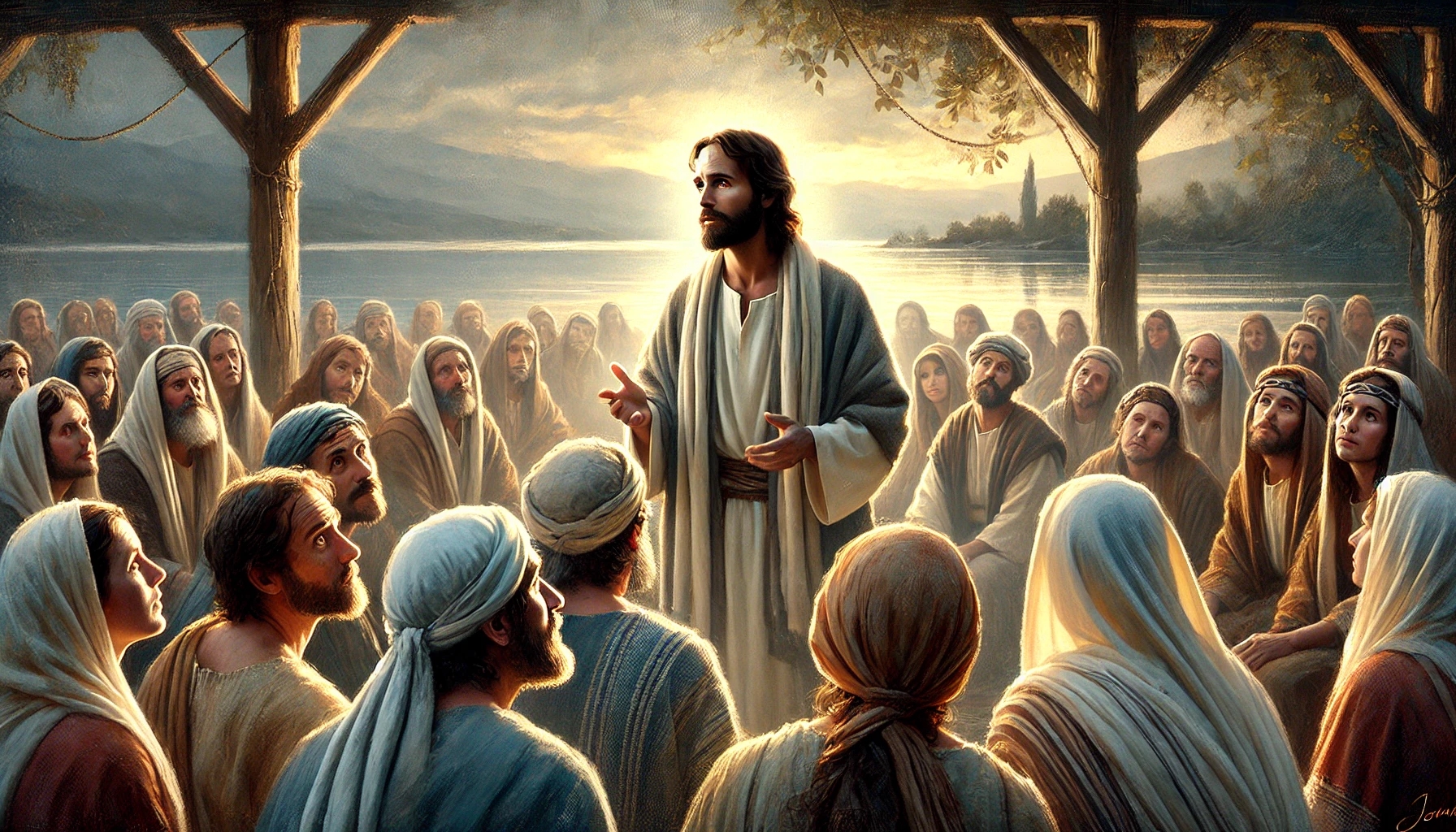
“The Bread of Life” – Jesus’ Call to Deeper Commitment
Read John 6:51–71. What did Jesus say that people found difficult to accept?
In John 6:51–71, Jesus speaks one of the most central yet elusive truths of His ministry: “I am the bread of life.” By declaring that this bread is His flesh, which He gives for the life of the world, Jesus challenges people to accept Him in a way that goes beyond their worldly notions and expectations. They were willing to celebrate Him as a king as long as He fulfilled their immediate needs, but the deeper spiritual significance of His ministry—as a sacrifice and giver of life—many could not accept. This point marks the turning away of many of His followers.
Jesus’ words exposed the crowd’s understanding: they wanted a Messiah who fit their earthly thinking and would bring them freedom and prosperity. But Jesus demanded a radical change in mindset, a “spiritual food” that grants eternal life instead of satisfying short-term needs. His message required dedication, faith, and the willingness to see the material world as transient. For many, this was too high a price, and they left.
This must have been a deeply painful moment for Jesus. As the crowd that had just been praising Him turned away, He tested His closest disciples, asking if they too wanted to leave. This demonstrates the depth of His commitment to the truth beyond seeking people’s approval. Peter’s response is a powerful confession: “You have the words of eternal life.” The disciples had experienced that Jesus offered them something beyond the visible. Despite their imperfections and incomplete understanding, they stayed with Him—not because of words everyone could understand, but because of the unique hope and truth that only Jesus gave them.
This episode reminds us that genuine faith often means listening to deeper truths, even when they challenge us or we do not fully grasp them yet. It invites us to examine our own willingness to dedicate ourselves and recognize that true discipleship does not always follow the crowd or popular expectations but lies in faithfulness to Jesus’ words—words of eternal life.

This story and the significance of Jesus’ statement “I am the bread of life” remind us that genuine faith often requires swimming against the current of society and even against the expectations of other believers. The connection to our daily lives and faith lies in the fact that we often must remain steadfast in our convictions, even if they alienate us from the majority or cultural trends. Here are some concrete points of connection:
  1. Faith as a Foundation, Not as Adaptation to Society In a world that often praises quick success and material satisfaction, Jesus shows us that true life is found in dedication and trust in God. Even if this means standing against societal norms or popular ideas, our faith is stronger when it is oriented toward God’s Word and not the opinions of the majority.
  2. Living True Values in Decisions and Actions Jesus’ call to dedication as the “bread of life” invites us to align our decisions with His teachings. In daily life, this can mean not always taking the path of least resistance or focusing on short-term successes but rather ensuring that our decisions reflect our faith and God’s love. This can guide us in work, family, and interpersonal relationships and encourage us to live authentically and with integrity.
  3. Consistency and Courage in Discipleship In daily life, it takes courage to uphold beliefs that may not be popular. The willingness to remain with Jesus even when it makes us outsiders strengthens us in discipleship. Remembering that Jesus did not waver from His path despite rejection and misunderstandings gives us the strength to remain steadfast in challenges and not be swayed by others’ opinions.
  4. A Faith that Goes Beyond Material Needs Jesus teaches us that true life and fulfillment are not found in material things but in the spiritual life that looks beyond the visible. This perspective can help us prioritize in daily life and focus less on material goods or successes and more on what endures forever—love, faithfulness, and dedication to God and our neighbors.
  5. A Personal Relationship with God as an Anchor Just as Peter and the disciples stayed with Jesus because they recognized Him as the “word of eternal life,” we are invited to maintain a personal and living relationship with God. This gives us strength and confidence, even when others do not understand or reject us. Our relationship with God becomes an anchor that holds us steady when we need guidance in difficult or unpopular decisions.

Ultimately, this event shows us that genuine faith often requires the courage to be unpopular and that true discipleship means developing a deep inner conviction and dedication. When we remember daily that Jesus’ words and life show us the way to eternal life, we can rely on Him even if our faith does not receive the majority’s approval. In this dedication and consistency, we find the true fullness of life that Jesus promised us.

True strength in faith often means following the quiet call of truth, even when the world takes a different direction.

Source: https://fulfilleddesire.net/lesson-6-more-testimonies-about-jesus-6-3-acceptance-and-rejection-themes-in-the-gospel-of-john-living-faith/

Share this:

  • Share on Facebook (Opens in new window) Facebook
  • Share on LinkedIn (Opens in new window) LinkedIn
  • Share on X (Opens in new window) X
  • Share on Pinterest (Opens in new window) Pinterest

Like this:

Like Loading…

Filed Under: Adventist Sermons & Video Clips, Fulfilled Desire

5.11.2024 – Acts Chapter 9 | BELIEVE HIS PROPHETS

November 4, 2024 By admin

November 5, 2024
DAILY BIBLE READING – Acts Chapter 9
1 And Saul, yet breathing out threatenings and slaughter against the disciples of the Lord, went unto the high priest,
2 And desired of him letters to Damascus to the synagogues, that if he found any of this way, whether they were men or women, he might bring them bound unto Jerusalem.
3 And as he journeyed, he came near Damascus: and suddenly there shined round about him a light from heaven:
4 And he fell to the earth, and heard a voice saying unto him, Saul, Saul, why persecutest thou me?
5 And he said, Who art thou, Lord? And the Lord said, I am Jesus whom thou persecutest: it is hard for thee to kick against the pricks.
6 And he trembling and astonished said, Lord, what wilt thou have me to do? And the Lord said unto him, Arise, and go into the city, and it shall be told thee what thou must do.
7 And the men which journeyed with him stood speechless, hearing a voice, but seeing no man.
8 And Saul arose from the earth; and when his eyes were opened, he saw no man: but they led him by the hand, and brought him into Damascus.
9 And he was three days without sight, and neither did eat nor drink.
10 And there was a certain disciple at Damascus, named Ananias; and to him said the Lord in a vision, Ananias. And he said, Behold, I am here, Lord.
11 And the Lord said unto him, Arise, and go into the street which is called Straight, and enquire in the house of Judas for one called Saul, of Tarsus: for, behold, he prayeth,
12 And hath seen in a vision a man named Ananias coming in, and putting his hand on him, that he might receive his sight.
13 Then Ananias answered, Lord, I have heard by many of this man, how much evil he hath done to thy saints at Jerusalem:
14 And here he hath authority from the chief priests to bind all that call on thy name.
15 But the Lord said unto him, Go thy way: for he is a chosen vessel unto me, to bear my name before the Gentiles, and kings, and the children of Israel:
16 For I will shew him how great things he must suffer for my name’s sake.
17 And Ananias went his way, and entered into the house; and putting his hands on him said, Brother Saul, the Lord, even Jesus, that appeared unto thee in the way as thou camest, hath sent me, that thou mightest receive thy sight, and be filled with the Holy Ghost.
18 And immediately there fell from his eyes as it had been scales: and he received sight forthwith, and arose, and was baptized.
19 And when he had received meat, he was strengthened. Then was Saul certain days with the disciples which were at Damascus.
20 And straightway he preached Christ in the synagogues, that he is the Son of God.
21 But all that heard him were amazed, and said; Is not this he that destroyed them which called on this name in Jerusalem, and came hither for that intent, that he might bring them bound unto the chief priests?
22 But Saul increased the more in strength, and confounded the Jews which dwelt at Damascus, proving that this is very Christ.
23 And after that many days were fulfilled, the Jews took counsel to kill him:
24 But their laying await was known of Saul. And they watched the gates day and night to kill him.
25 Then the disciples took him by night, and let him down by the wall in a basket.
26 And when Saul was come to Jerusalem, he assayed to join himself to the disciples: but they were all afraid of him, and believed not that he was a disciple.
27 But Barnabas took him, and brought him to the apostles, and declared unto them how he had seen the Lord in the way, and that he had spoken to him, and how he had preached boldly at Damascus in the name of Jesus.
28 And he was with them coming in and going out at Jerusalem.
29 And he spake boldly in the name of the Lord Jesus, and disputed against the Grecians: but they went about to slay him.
30 Which when the brethren knew, they brought him down to Caesarea, and sent him forth to Tarsus.
31 Then had the churches rest throughout all Judaea and Galilee and Samaria, and were edified; and walking in the fear of the Lord, and in the comfort of the Holy Ghost, were multiplied.
32 And it came to pass, as Peter passed throughout all quarters, he came down also to the saints which dwelt at Lydda.
33 And there he found a certain man named Aeneas, which had kept his bed eight years, and was sick of the palsy.
34 And Peter said unto him, Aeneas, Jesus Christ maketh thee whole: arise, and make thy bed. And he arose immediately.
35 And all that dwelt at Lydda and Saron saw him, and turned to the Lord.
36 Now there was at Joppa a certain disciple named Tabitha, which by interpretation is called Dorcas: this woman was full of good works and almsdeeds which she did.
37 And it came to pass in those days, that she was sick, and died: whom when they had washed, they laid her in an upper chamber.
38 And forasmuch as Lydda was nigh to Joppa, and the disciples had heard that Peter was there, they sent unto him two men, desiring him that he would not delay to come to them.
39 Then Peter arose and went with them. When he was come, they brought him into the upper chamber: and all the widows stood by him weeping, and shewing the coats and garments which Dorcas made, while she was with them.
40 But Peter put them all forth, and kneeled down, and prayed; and turning him to the body said, Tabitha, arise. And she opened her eyes: and when she saw Peter, she sat up.
41 And he gave her his hand, and lifted her up, and when he had called the saints and widows, presented her alive.
42 And it was known throughout all Joppa; and many believed in the Lord.
43 And it came to pass, that he tarried many days in Joppa with one Simon a tanner.
King James Version. Public Domain


Commentary
Introduction
Acts Chapter 9 describes one of the most significant conversion stories in the Bible: the transformation of Saul, a determined persecutor of Christians, into Paul, a fervent apostle of Christ. This chapter not only highlights the personal miracle of conversion but also illuminates the profound impact on the early church and the dynamics of faith and grace. Further accounts of miracles performed by the Apostle Peter follow, strengthening the Christian community and contributing to the spread of faith. The stories of Saul, Aeneas, and Tabitha illustrate how God calls people and, through miraculous signs, reinforces faith and trust among believers.
Commentary
Acts Chapter 9 marks a turning point in biblical history, showcasing how an enemy of the faith becomes one of its most passionate proclaimers through a direct encounter with Christ. Saul, initially filled with threats and violence against Jesus’ followers, zealously pursues those who follow the new “Way” of Christianity. His conversion begins when, on his journey to Damascus, he is blinded by a heavenly light and hears the voice of Jesus, who directly calls him to account. The question, “Saul, Saul, why are you persecuting me?” reveals the deep bond between Jesus and his followers, showing how any persecution against believers is considered persecution against Christ himself. This experience humbles Saul and temporarily leaves him blind, symbolizing his spiritual blindness and his need for inner transformation.
The appearance of the disciple Ananias emphasizes the importance of obedience and trust in God’s guidance. Although Ananias initially hesitates to approach Saul because of his infamous reputation, he nevertheless follows the divine instruction and becomes an instrument for Saul’s healing. The theme of faith overcoming human fear and prejudice is strongly emphasized here. Saul’s healing and baptism are not merely physical events but symbols of his new spiritual direction. From a persecutor, he transforms into a fervent preacher who boldly proclaims Jesus’ name, astonishing and perplexing the people. Saul’s conversion demonstrates the transformative power of faith and the potential to turn even the staunchest opponents of God into instruments of the gospel through grace.
The Christian community initially meets Saul with skepticism and distrust. This is understandable, given that Saul had previously made a name for himself through violent actions against Christians. However, Barnabas, an influential believer, vouches for Saul and attests to his conversion, enabling his acceptance into the community. This act of trust and advocacy is a powerful example of how the Christian community grows through forgiveness and reconciliation.
The latter part of the chapter shifts focus to Peter, highlighting his healing and life-restoring power granted by the Holy Spirit. The healing of the paralyzed Aeneas in Lydda and the resurrection of Tabitha in Joppa are miracles that strengthen the faith of believers and lead the community closer to God. Especially the resurrection of Tabitha, known for her compassion and good deeds, demonstrates divine power over life and death and underscores the importance of service to others. Peter is presented here as a conduit for divine miracles, visibly manifesting the power of Jesus through the apostles and bringing many new believers to faith.
In summary, Acts 9 illustrates how, through grace and obedience, people from different backgrounds and walks of life—from Saul the persecutor to Tabitha the compassionate—become instruments of God. The miracles and signs are not only acts of faith but also means to strengthen the faith and trust of early Christians and further the spread of the gospel.
Summary
Acts 9 describes the conversion of Saul, who, on his way to Damascus, is confronted by Jesus in a vision, transforming him from a persecutor of Christians into a zealous preacher of the gospel. After an encounter with the disciple Ananias, who aids in his healing and baptism, Saul immediately begins to proclaim Christ. Despite the Christians’ initial mistrust, the community ultimately accepts him after Barnabas vouches for him. Meanwhile, the Apostle Peter performs further miracles in the cities of Lydda and Joppa: he heals the paralyzed Aeneas and raises the deceased Tabitha to life, inspiring many to turn to faith and strengthening the Christians’ belief. This chapter highlights the transformative power of faith and the work of the Holy Spirit in the early church.


WEEKLY SPIRIT OF PROPHECY READING – Ellen White | The Desire of Ages
Chapter 74—Gethsemane
This chapter is based on Matthew 26:36-56; Mark 14:32-50; Luke 22:39-53; John 18:1-12.
Read online here


Commentary
Introduction:
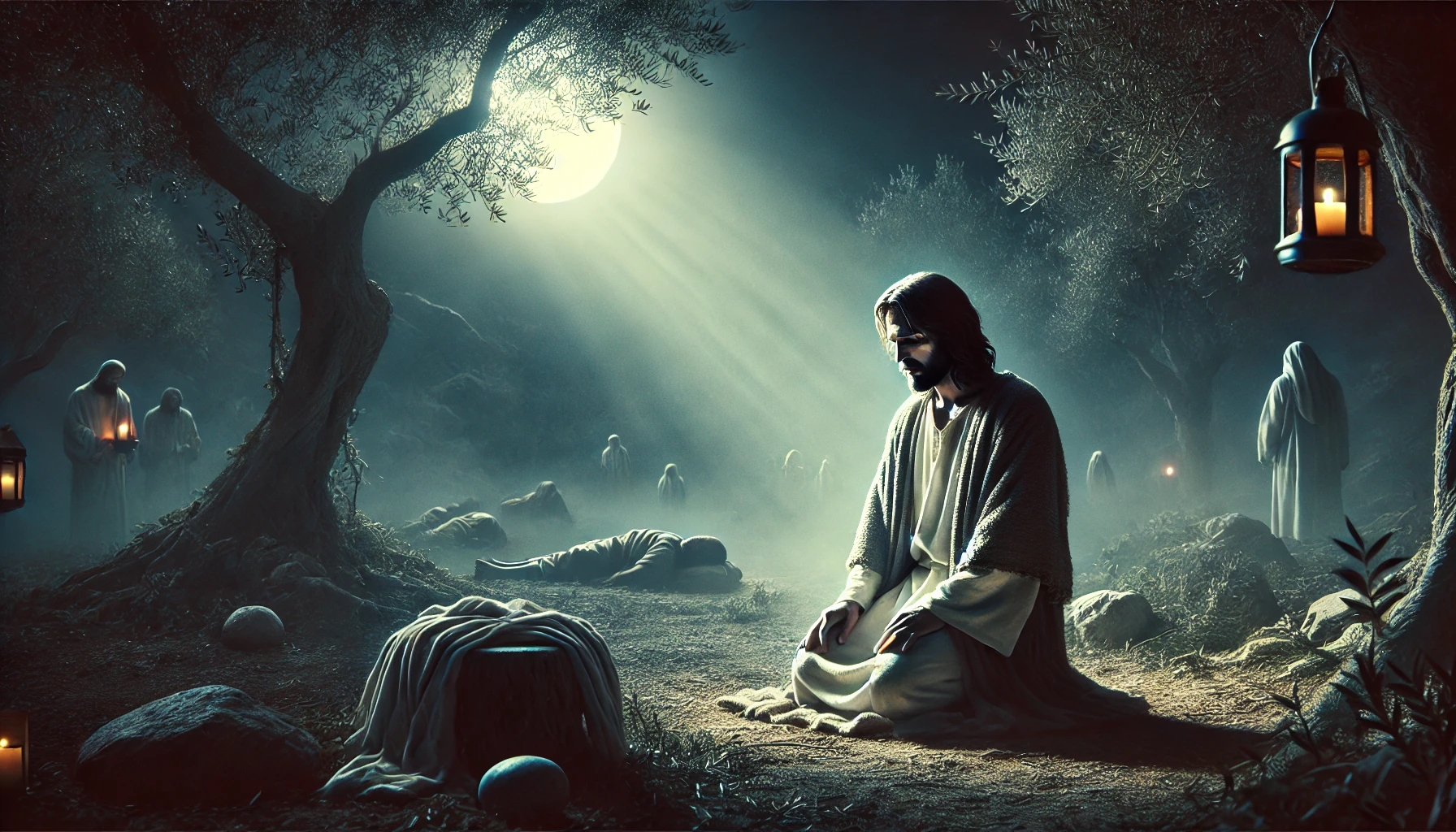
Chapter 74, “Gethsemane,” leads us into the deepest and most moving episode in the life of Jesus: the prayer and inner struggle in the Garden of Gethsemane, immediately before His arrest. The Gospel accounts of Matthew, Mark, Luke, and John depict how Jesus, accompanied by His closest disciples, goes to Gethsemane at night and prepares for the impending suffering. This scene reveals the painful inner conflict that Jesus experiences in His human nature as He willingly takes on the burden of the world’s sins. Here in Gethsemane, His absolute dedication and obedience to the Father’s will become intensely visible. The disciples, exhausted and inattentive, fall asleep while Jesus engages in the most bitter spiritual struggle of His life. Gethsemane becomes the epitome of His sacrifice and His unparalleled love for humanity.
Commentary:
Jesus’ prayer in Gethsemane is a portrayal of deepest devotion and pain. Here, we encounter a side of Jesus that is both human and divine: He wrestles with the burden of sin that threatens to separate Him from the presence of God. This scene reveals that Jesus, although divine, truly endures the wrath and consequences of human sin in His human nature. The words “Father, if it is possible, let this cup pass from me” demonstrate His anguish and simultaneously His willingness to follow God’s will, predestining Him as the sin offering for humanity.
Jesus’ dedication is all the more remarkable in light of the weakness of His disciples. He urges them to stay awake and pray, yet three times He returns to find them asleep. This scene highlights human frailty in the face of spiritual reality and accentuates Jesus’ loneliness and determination. The angels who appear to Him at the end serve as the final divine encouragement before He embarks on the painful path to the cross. Through this episode, it becomes clear that Jesus, fully aware of the magnitude of His sacrifice, resolutely continues the path to the redemption of humanity.
The climax comes when Jesus confronts His betrayers and the armed crowd without using divine power to defend Himself or flee. Instead, He faces His impending fate calmly and steadfastly. His example in Gethsemane is a powerful image of self-sacrifice and obedience to God’s will, regardless of personal pain and suffering.
Summary:
Chapter 74 describes the events in the Garden of Gethsemane, where Jesus experiences the most severe inner struggle of His life before His suffering and crucifixion. In deep prayer, He wrestles with the burden of humanity’s sins and the separation from the Father that sin brings. Despite His anguish, He decides to fulfill the Father’s will and drink the “cup” that lies ahead. The disciples who accompany Him fail to stay awake and fall asleep despite His pleas. After a final prayer, Jesus receives divine strength from an angel that fortifies Him for His journey. When the soldiers and the betrayer Judas arrive, Jesus faces them without resistance and is taken captive. The scene in Gethsemane highlights Jesus’ willingness to sacrifice and dedication, becoming the symbolic center of His suffering for humanity.

Source: https://fulfilleddesire.net/5-11-2024-acts-chapter-9-believe-his-prophets/

Share this:

  • Share on Facebook (Opens in new window) Facebook
  • Share on LinkedIn (Opens in new window) LinkedIn
  • Share on X (Opens in new window) X
  • Share on Pinterest (Opens in new window) Pinterest

Like this:

Like Loading…

Filed Under: Adventist Sermons & Video Clips, Fulfilled Desire

Lesson 6.More Testimonies About Jesus | 6.2 A New Understanding of the Messiah | THEMES IN THE GOSPEL OF JOHN | LIVING FAITH

November 3, 2024 By admin

6.2 A New Understanding of the Messiah
“The Lamb of God” – An Unexpected Image of the Messiah
Read John 1:32–36. What does John the Baptist say about Jesus that people did not expect from the long-awaited Messiah?
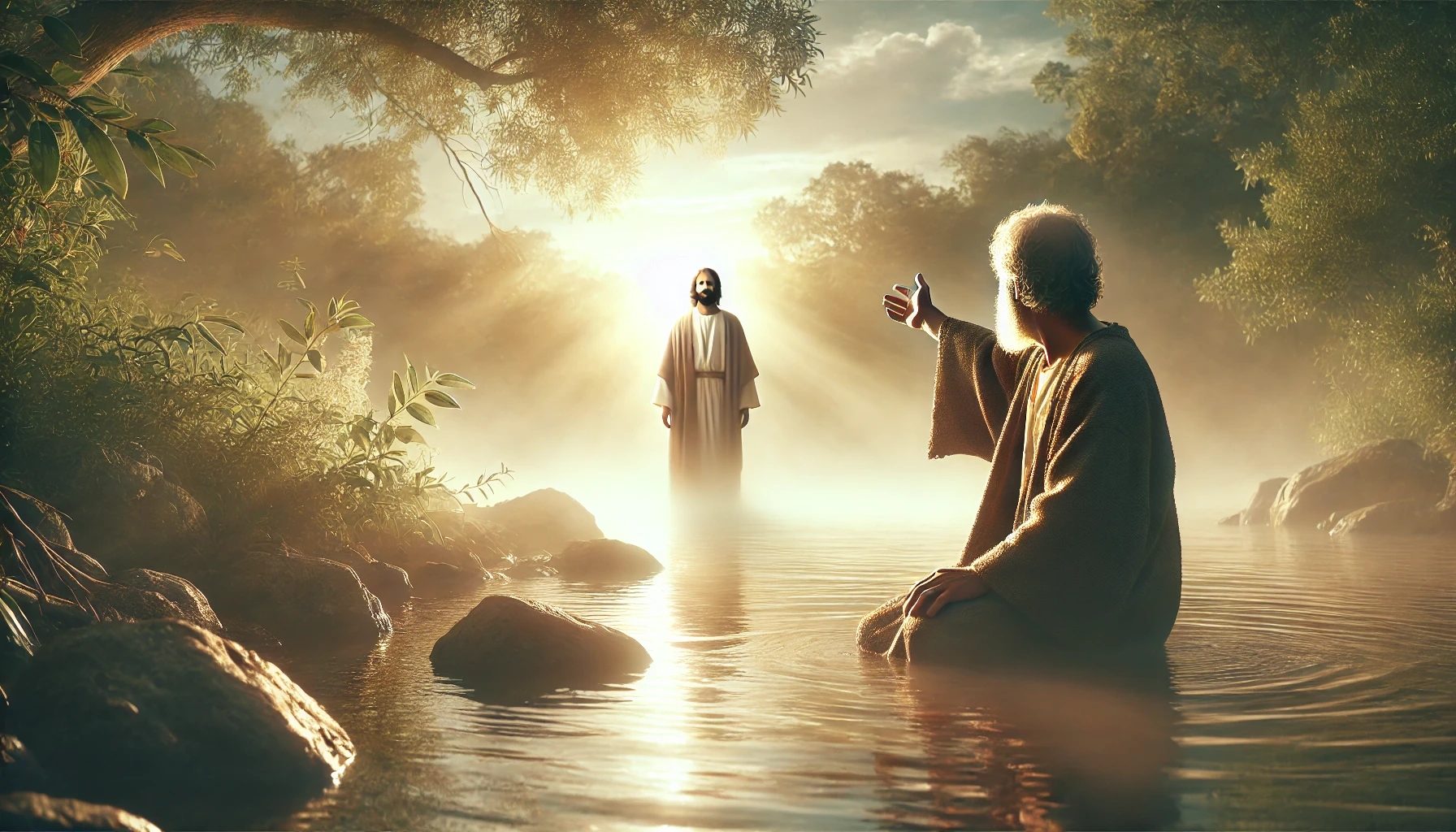
John the Baptist introduces a revolutionary understanding of the Messiah to the Jewish world of His time. Instead of fulfilling the expectations of a powerful, political deliverer, John proclaims Jesus as the “Lamb of God.” This designation broke with the common notion of a Messiah who would overthrow the Romans and politically liberate Israel. Instead, “the Lamb of God” points to Jesus’ role as a sacrificial offering bearing the sins of the world—a concept that was initially foreign and difficult for many to accept.
By choosing the image of the “Lamb,” John refers to the Old Testament idea of the sacrificial lamb offered for the forgiveness of sins, particularly in the prophecy of Isaiah (“like a lamb led to the slaughter,” Isaiah 53:7). This new understanding of the Messiah as a redeemer through suffering and sacrifice called people to radically rethink their perspective. Instead of military might, God’s love and dedication were at the center of the divine plan.
John recognized Jesus as the Messiah through divine revelation. God gave John a sign—the Spirit descended on Jesus and remained with Him. This spiritual insight shows that true understanding of Jesus as the Christ does not arise from political or cultural expectations but solely through God’s revelation and wisdom, which touches our hearts.
This new understanding of the Messiah invites us to view our faith beyond worldly expectations and to comprehend the path of redemption through humility and sacrifice. It challenges us to trust God wholeheartedly and to see the Kingdom of God not as power or dominion over others but as an invitation to love, forgiveness, and dedication, which Jesus exemplified through His life and death.
How could we know the truth about Jesus as our sacrificial offering if it were not revealed to us? Why is it therefore very important to know the Bible and understand what it teaches about Jesus?
The truth about Jesus as our sacrificial offering—the “Lamb of God” who bears the sins of the world—is a spiritual revelation that can only be understood through divine revelation. Without this revelation, it would be nearly impossible for us to fully grasp the depth and purpose of Jesus’ life and death. The Bible is the primary source of this revelation, providing us with the knowledge of who Jesus truly is and what His role means for our redemption.
Here are some reasons why studying the Bible and understanding its teachings about Jesus are crucial:
  1. The Bible Reveals God’s Plan of Redemption Scripture unfolds God’s plan of salvation, culminating in Jesus Christ. From the prophecies in the Old Testament to their fulfillment in the New Testament, we see a coherent picture that shows why Jesus had to come, what His sacrifice means, and how we can partake in it. Without this knowledge, we would miss the core of the Christian faith.
  2. Deeper Understanding of the Sacrificial Offering In the Bible, we learn that Jesus died as a sacrificial offering for our sins. This goes beyond human logic and must be understood spiritually. By reading the Bible, we understand that Jesus’ death and resurrection took the punishment for our sins and paved the way for us to God. This faith brings us comfort and hope, enabling us to live in freedom and forgiveness.
  3. Knowledge of God’s Love The Bible shows us that Jesus’ sacrifice is the highest expression of God’s love: “For God so loved the world that he gave his one and only Son” (John 3:16). Without Scripture, we could hardly comprehend the depth and radicalness of this love. It shows us that God’s love is unmerited and unconditional and that He invites us into a personal relationship with Him through Jesus.
  4. The Bible Leads Us to Faith and Discipleship According to Romans 10:17, “faith comes from hearing, and hearing through the word of Christ.” Only through the Bible do we learn what Jesus taught, how He lived, and what He expects from His followers. By knowing His life and words, we are strengthened in our faith and inspired to walk in His footsteps.
  5. Protection from Misunderstandings and Deviations The Bible helps us gain a clear and correct picture of Jesus and His mission. Without it, we could easily follow a purely human or cultural understanding of the Messiah that misrepresents Jesus’ true nature and work. It protects us from shaping an image of Jesus that aligns with our own ideas instead of God’s truth.
  6. Divine Revelation and Personal Relationship Scripture is more than a historical book; it is alive and works through the Holy Spirit in our hearts. When we read the Bible, God invites us to personally know Jesus and experience His presence. This is the foundation of a vibrant, trusting relationship with Him that helps us grow in faith.
The Bible is our key to understanding the depth of Jesus’ redemption and the gift of forgiveness. It enables us to not only understand the truth about Jesus but also to take it into our hearts. By studying God’s Word, we recognize how much God loves us and are strengthened to live in that love and share it with others.
The connection of this spiritual truth with our daily lives and faith lies in the changed perspective we gain by understanding Jesus as the “Lamb of God.” Here are concrete ways this revelation can influence our daily living and faith:
  1. Humility and Dedication as Core Values Understanding that Jesus came to dedicate Himself and not to triumph politically teaches us the power of humility and dedication. This attitude can help us in everyday life to avoid seeking power or recognition and instead approach others with love. Instead of putting ourselves in the spotlight, we can ask how we can reflect God’s love in the small things of life.
  2. A Life of Forgiveness and Acceptance Jesus’ sacrifice shows us that we are loved and accepted unconditionally, giving us the freedom to also forgive others. This perspective can transform our interpersonal relationships: when we are willing to forgive misunderstandings or mistakes and accept people in their imperfections, we live out the love Jesus demonstrated through His sacrifice.
  3. A New Standard for Success and Fulfillment Instead of measuring success by material possessions or worldly status, we find our goal in following God’s plan and spreading His love. This attitude changes how we view careers, goals, and achievements. Daily life gains new depth when we focus on doing good and being a blessing to others.
  4. Unwavering Faith Despite Worldly Expectations John the Baptist recognized Jesus as the Lamb of God, even though this went against the common expectations of a powerful, political Messiah. In our faith life, this reminds us not to succumb to the pressures of the world but to trust in God and His Word. When facing decisions in daily life, we can orient ourselves by this revelation and ask how we can act in a way that is humble and aligned with God’s love.
  5. Faith as a Daily Relationship Jesus as the “Lamb of God” reminds us that faith is not just knowledge or tradition but a living, personal relationship with God. This understanding fosters a daily practice of prayer and Bible study to experience God’s love and be guided by His Spirit. When we consciously take time for our relationship with God, we experience how He strengthens and leads us in daily life.
  6. Trust in God’s Plan and Wisdom Just as John the Baptist recognized Jesus’ true identity through divine revelation, we learn to trust God’s plan in our lives, even when we do not fully understand it. This can help us in difficult situations in daily life to rely on God’s wisdom and patiently wait for His guidance instead of seeking quick solutions ourselves.
Knowing Jesus as the Lamb of God changes our view of our lives and faith. This realization invites us to make visible the love, forgiveness, and sacrifice that Jesus exemplified in our daily lives, thus becoming authentic testimonies for God’s Kingdom.

True strength often lies in the ability to let go and dedicate oneself to something greater.

Source: https://fulfilleddesire.net/lesson-6-more-testimonies-about-jesus-6-2-a-new-understanding-of-the-messiah-themes-in-the-gospel-of-john-living-faith/

Share this:

  • Share on Facebook (Opens in new window) Facebook
  • Share on LinkedIn (Opens in new window) LinkedIn
  • Share on X (Opens in new window) X
  • Share on Pinterest (Opens in new window) Pinterest

Like this:

Like Loading…

Filed Under: Adventist Sermons & Video Clips, Fulfilled Desire

4.11.2024 – Acts Chapter 8 | BELIEVE HIS PROPHETS

November 3, 2024 By admin

November 4, 2024
DAILY BIBLE READING – Acts Chapter 8
1 And Saul was consenting unto his death. And at that time there was a great persecution against the church which was at Jerusalem; and they were all scattered abroad throughout the regions of Judaea and Samaria, except the apostles.
2 And devout men carried Stephen to his burial, and made great lamentation over him.
3 As for Saul, he made havock of the church, entering into every house, and haling men and women committed them to prison.
4 Therefore they that were scattered abroad went every where preaching the word.
5 Then Philip went down to the city of Samaria, and preached Christ unto them.
6 And the people with one accord gave heed unto those things which Philip spake, hearing and seeing the miracles which he did.
7 For unclean spirits, crying with loud voice, came out of many that were possessed with them: and many taken with palsies, and that were lame, were healed.
8 And there was great joy in that city.
9 But there was a certain man, called Simon, which beforetime in the same city used sorcery, and bewitched the people of Samaria, giving out that himself was some great one:
10 To whom they all gave heed, from the least to the greatest, saying, This man is the great power of God.
11 And to him they had regard, because that of long time he had bewitched them with sorceries.
12 But when they believed Philip preaching the things concerning the kingdom of God, and the name of Jesus Christ, they were baptized, both men and women.
13 Then Simon himself believed also: and when he was baptized, he continued with Philip, and wondered, beholding the miracles and signs which were done.
14 Now when the apostles which were at Jerusalem heard that Samaria had received the word of God, they sent unto them Peter and John:
15 Who, when they were come down, prayed for them, that they might receive the Holy Ghost:
16 (For as yet he was fallen upon none of them: only they were baptized in the name of the Lord Jesus.)
17 Then laid they their hands on them, and they received the Holy Ghost.
18 And when Simon saw that through laying on of the apostles’ hands the Holy Ghost was given, he offered them money,
19 Saying, Give me also this power, that on whomsoever I lay hands, he may receive the Holy Ghost.
20 But Peter said unto him, Thy money perish with thee, because thou hast thought that the gift of God may be purchased with money.
21 Thou hast neither part nor lot in this matter: for thy heart is not right in the sight of God.
22 Repent therefore of this thy wickedness, and pray God, if perhaps the thought of thine heart may be forgiven thee.
23 For I perceive that thou art in the gall of bitterness, and in the bond of iniquity.
24 Then answered Simon, and said, Pray ye to the Lord for me, that none of these things which ye have spoken come upon me.
25 And they, when they had testified and preached the word of the Lord, returned to Jerusalem, and preached the gospel in many villages of the Samaritans.
26 And the angel of the Lord spake unto Philip, saying, Arise, and go toward the south unto the way that goeth down from Jerusalem unto Gaza, which is desert.
27 And he arose and went: and, behold, a man of Ethiopia, an eunuch of great authority under Candace queen of the Ethiopians, who had the charge of all her treasure, and had come to Jerusalem for to worship,
28 Was returning, and sitting in his chariot read Esaias the prophet.
29 Then the Spirit said unto Philip, Go near, and join thyself to this chariot.
30 And Philip ran thither to him, and heard him read the prophet Esaias, and said, Understandest thou what thou readest?
31 And he said, How can I, except some man should guide me? And he desired Philip that he would come up and sit with him.
32 The place of the scripture which he read was this, He was led as a sheep to the slaughter; and like a lamb dumb before his shearer, so opened he not his mouth:
33 In his humiliation his judgment was taken away: and who shall declare his generation? for his life is taken from the earth.
34 And the eunuch answered Philip, and said, I pray thee, of whom speaketh the prophet this? of himself, or of some other man?
35 Then Philip opened his mouth, and began at the same scripture, and preached unto him Jesus.
36 And as they went on their way, they came unto a certain water: and the eunuch said, See, here is water; what doth hinder me to be baptized?
37 And Philip said, If thou believest with all thine heart, thou mayest. And he answered and said, I believe that Jesus Christ is the Son of God.
38 And he commanded the chariot to stand still: and they went down both into the water, both Philip and the eunuch; and he baptized him.
39 And when they were come up out of the water, the Spirit of the Lord caught away Philip, that the eunuch saw him no more: and he went on his way rejoicing.
40 But Philip was found at Azotus: and passing through he preached in all the cities, till he came to Caesarea.
King James Version. Public Domain


Commentary
Introduction:
Acts chapter 8 depicts a crucial phase of early Christianity, in which persecution and dispersion triggered a wider spread of the Gospel. The martyrdom of Stephen ignites a wave of violence against Christians in Jerusalem, driving them to various regions and thus extending Jesus’ mission beyond its boundaries. An outstanding servant, Philip, brings the Gospel to Samaria and encounters the Ethiopian eunuch, a man in search of truth who embraces the message of Jesus. This chapter illustrates the power of faith and the unstoppable progress of the Gospel despite the most adverse circumstances.
Commentary:
Chapter 8 is divided into several significant events that illustrate the path of Christian mission. The first scene shows how the persecution of the community in Jerusalem forces believers to disperse, thus bringing the Gospel to Judea and Samaria. Saul, the future Apostle Paul, plays an active role as a persecutor of Christians, highlighting the contrasts between persecution and steadfast faith. The focus is on Philip, a deacon, who gains the attention of the people in Samaria through his preaching and miracles. Particularly striking is the encounter with Simon the Sorcerer, which brings about a conflict over the meaning and gift of the Holy Spirit. Simon, who is accustomed to controlling power and exerting influence, is reprimanded because he wants to acquire the gift of God through money. This confrontation emphasizes that faith and the gift of the Spirit cannot be bought through human means but are granted solely through a relationship with God.
Another important element is the encounter between Philip and the Ethiopian eunuch. Here, the ideal of personal evangelism is demonstrated: the eunuch, who is reading God’s word, needs an explanation to understand the Gospel. Philip seizes the opportunity to bring him closer to Jesus Christ, and the eunuch promptly decides to be baptized. This scene shows that the message of the Gospel transcends all social and geographical boundaries and is also directed to people outside the Jewish tradition. The eunuch’s joy after his baptism is an expression of the profound inner change that the Gospel can effect in a life.
Summary:
Acts chapter 8 illustrates the power of faith and the scope of the mission. The persecution of Christians leads to the spread of the Gospel and marks the beginning of a global mission. Philip preaches in Samaria and also brings the Good News to the Ethiopian eunuch, who embraces the Gospel and is baptized. The story of the sorcerer Simon emphasizes the holiness and unsellability of the Holy Spirit, while the encounter with the eunuch shows that the Gospel touches the hearts of all people.


WEEKLY SPIRIT OF PROPHECY READING – Ellen White | The Desire of Ages
Chapter 74—Gethsemane
This chapter is based on Matthew 26:36-56; Mark 14:32-50; Luke 22:39-53; John 18:1-12.
Read online here


Commentary
Introduction:
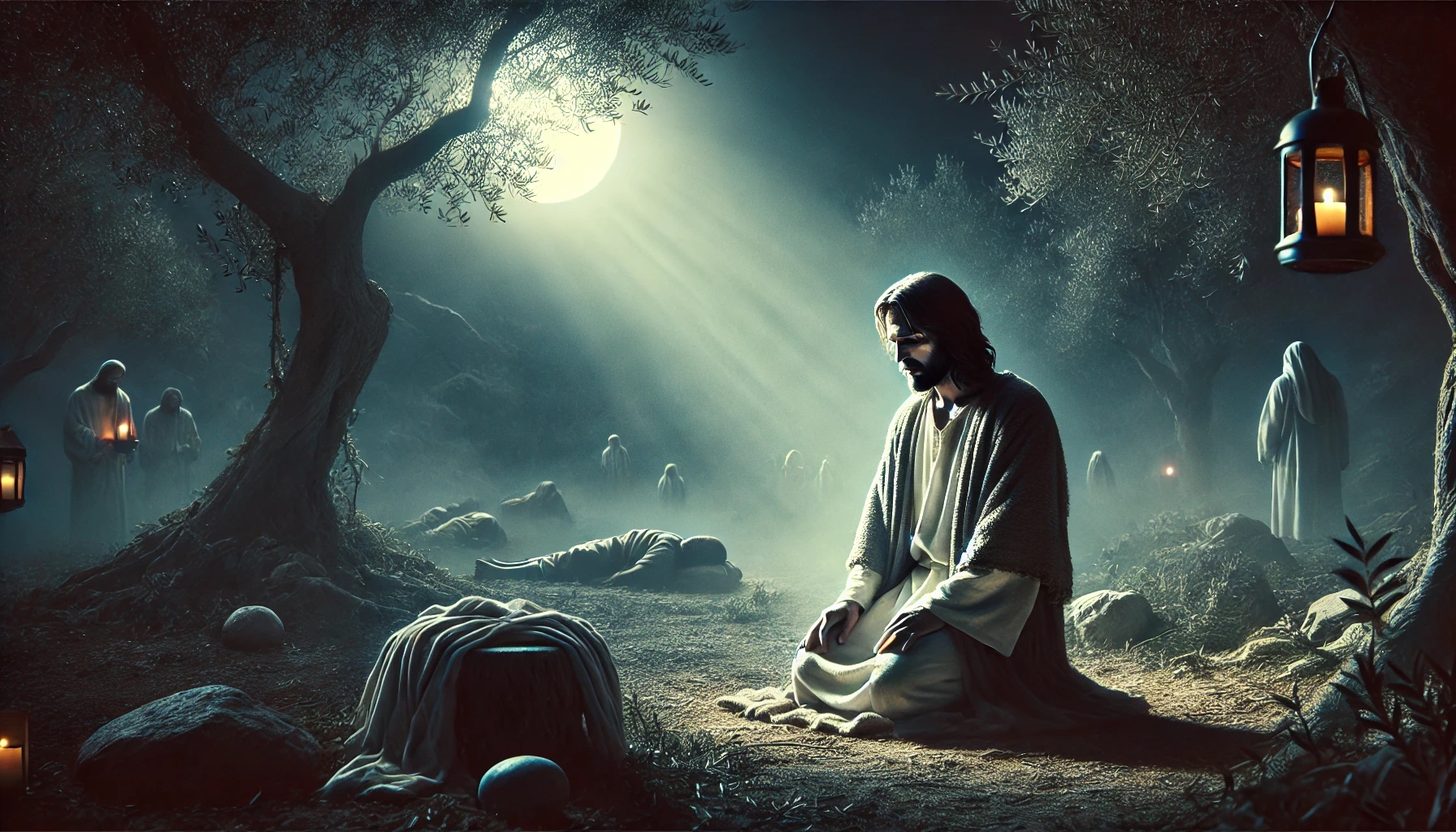
Chapter 74, “Gethsemane,” leads us into the deepest and most moving episode in the life of Jesus: the prayer and inner struggle in the Garden of Gethsemane, immediately before His arrest. The Gospel accounts of Matthew, Mark, Luke, and John depict how Jesus, accompanied by His closest disciples, goes to Gethsemane at night and prepares for the impending suffering. This scene reveals the painful inner conflict that Jesus experiences in His human nature as He willingly takes on the burden of the world’s sins. Here in Gethsemane, His absolute dedication and obedience to the Father’s will become intensely visible. The disciples, exhausted and inattentive, fall asleep while Jesus engages in the most bitter spiritual struggle of His life. Gethsemane becomes the epitome of His sacrifice and His unparalleled love for humanity.
Commentary:
Jesus’ prayer in Gethsemane is a portrayal of deepest devotion and pain. Here, we encounter a side of Jesus that is both human and divine: He wrestles with the burden of sin that threatens to separate Him from the presence of God. This scene reveals that Jesus, although divine, truly endures the wrath and consequences of human sin in His human nature. The words “Father, if it is possible, let this cup pass from me” demonstrate His anguish and simultaneously His willingness to follow God’s will, predestining Him as the sin offering for humanity.
Jesus’ dedication is all the more remarkable in light of the weakness of His disciples. He urges them to stay awake and pray, yet three times He returns to find them asleep. This scene highlights human frailty in the face of spiritual reality and accentuates Jesus’ loneliness and determination. The angels who appear to Him at the end serve as the final divine encouragement before He embarks on the painful path to the cross. Through this episode, it becomes clear that Jesus, fully aware of the magnitude of His sacrifice, resolutely continues the path to the redemption of humanity.
The climax comes when Jesus confronts His betrayers and the armed crowd without using divine power to defend Himself or flee. Instead, He faces His impending fate calmly and steadfastly. His example in Gethsemane is a powerful image of self-sacrifice and obedience to God’s will, regardless of personal pain and suffering.
Summary:
Chapter 74 describes the events in the Garden of Gethsemane, where Jesus experiences the most severe inner struggle of His life before His suffering and crucifixion. In deep prayer, He wrestles with the burden of humanity’s sins and the separation from the Father that sin brings. Despite His anguish, He decides to fulfill the Father’s will and drink the “cup” that lies ahead. The disciples who accompany Him fail to stay awake and fall asleep despite His pleas. After a final prayer, Jesus receives divine strength from an angel that fortifies Him for His journey. When the soldiers and the betrayer Judas arrive, Jesus faces them without resistance and is taken captive. The scene in Gethsemane highlights Jesus’ willingness to sacrifice and dedication, becoming the symbolic center of His suffering for humanity.

Source: https://fulfilleddesire.net/4-11-2024-acts-chapter-8-believe-his-prophets/

Share this:

  • Share on Facebook (Opens in new window) Facebook
  • Share on LinkedIn (Opens in new window) LinkedIn
  • Share on X (Opens in new window) X
  • Share on Pinterest (Opens in new window) Pinterest

Like this:

Like Loading…

Filed Under: Adventist Sermons & Video Clips, Fulfilled Desire

Lesson 6.More Testimonies About Jesus | 6.1 Humility of Soul: John the Baptist Testifies Again | THEMES IN THE GOSPEL OF JOHN | LIVING FAITH

November 2, 2024 By admin

Lesson 6.More Testimonies About Jesus
Recognizing More About Jesus
In this lesson, we explore various testimonies about Jesus recorded in the Gospel of John and other Gospels that clearly reveal His true identity and mission. The lesson leads us to the statements of John the Baptist, who refers to Jesus as the “Lamb of God,” to the testimony of the Father, who expresses His approval at Jesus’ baptism and transfiguration, and to the reactions of the crowd, which fluctuate between admiration, skepticism, and resistance.
These testimonies illustrate the challenge that Jesus’ words and works posed to people and show how differently He was perceived. The lesson invites us to reflect on our own attitude toward Jesus and examine our willingness to follow Him—even if it means questioning our own expectations and ideas. It reminds us that faith in Jesus is a personal decision that goes deeper than mere knowledge and that we can be living testimonies of His love and truth in our lives.
6.1 Humility of Soul: John the Baptist Testifies Again
John the Baptist – Humility and Testimony in the Greatness of Christ
Read John 3:25–36. How does John the Baptist compare with Jesus?
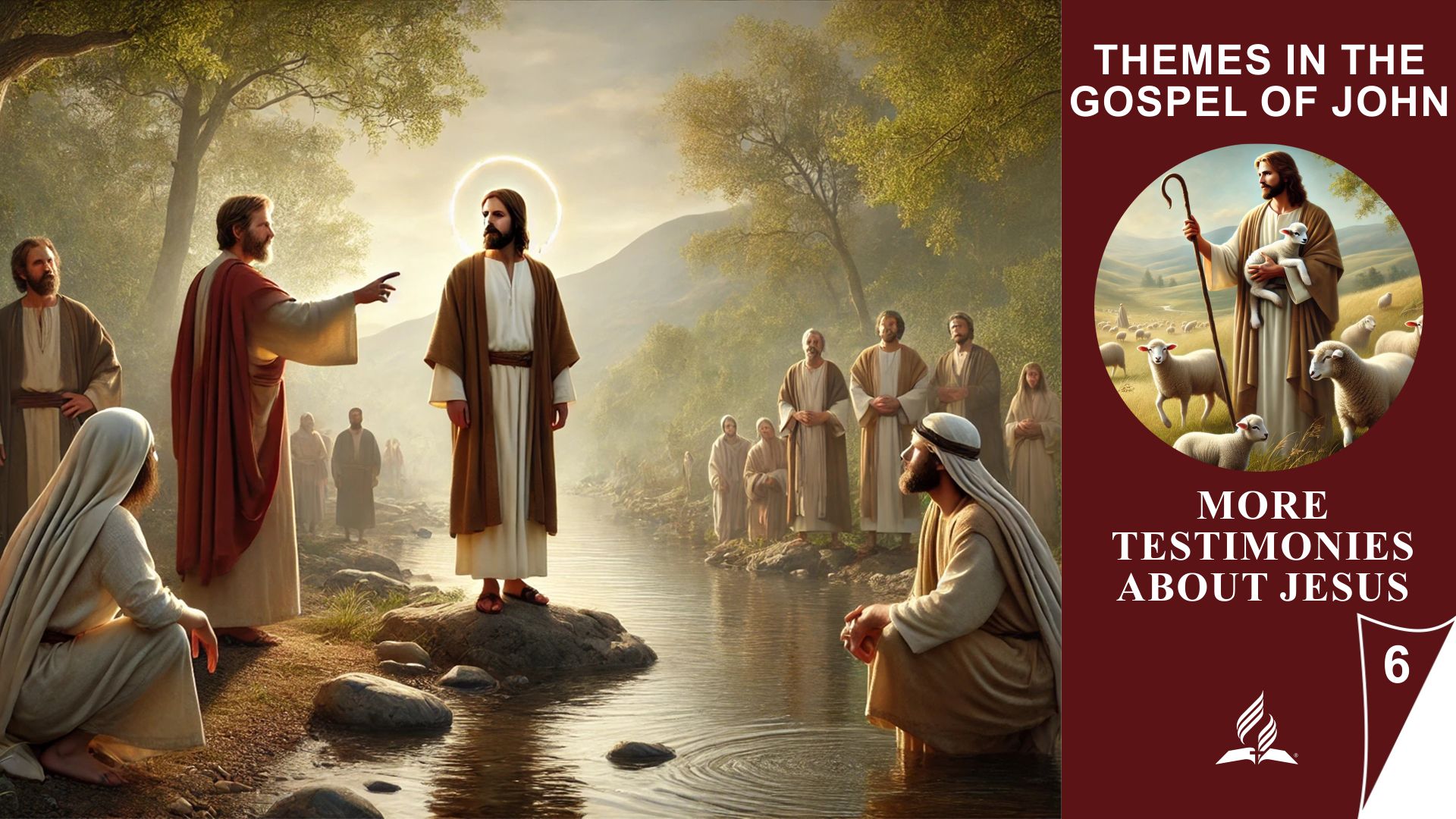
John the Baptist demonstrates a remarkable example of humility and inner clarity regarding his role and the nature of his ministry. Instead of succumbing to the temptation of jealousy, John recognizes the limits of his mission: he understands himself as the forerunner, not the Savior. When his disciples become concerned due to Jesus’ growing popularity, John remains calm and clear in his understanding of his divine calling.
In John 3:25–36, this contrast between John and Jesus becomes evident. John presents himself as the “friend of the bridegroom,” a metaphor for his role as the forerunner of the Messiah. His goal is to promote the arrival of Jesus, not his own position or influence. His famous words, “He must increase, but I must decrease” (John 3:30), succinctly capture this understanding. John’s greatness lies in his ability to recognize and accept his place in God’s plan.
Furthermore, the text emphasizes the uniqueness of Jesus as the one sent from heaven. While John is aware of human limitations, Jesus is the One who comes from above and is the perfect revelation of God. Through John’s testimony, the superiority of the Messiah is highlighted, and the response required from each person to this testimony remains clear: believing in Jesus leads to eternal life, while rejecting His offer excludes people from divine life.
This passage reminds us that true spiritual greatness often lies in putting oneself in the background and showing others the way to Jesus. John the Baptist embodies an inner humility that makes his ministry even more meaningful and points to the essential truth—the redemption offered to all people through Jesus.
The lesson of humility, as demonstrated by John the Baptist, can be deeply integrated into our daily lives and faith by understanding it as an attitude that guides our relationships and actions. This connection to John’s example helps us develop an authentic faith and focus on what is essential: God’s plan and love for our neighbors.
Here are some practical ways to implement humility and testimony in daily life:
  1. Conscious Acceptance of Our Role In everyday life, we constantly encounter situations where we could prove ourselves or be in the spotlight. John reminds us that our worth does not come from others’ recognition but from our connection to God. Thus, we can learn to focus on our task and keep the bigger picture in mind instead of comparing ourselves to others. In work, family, or friendships, this means accepting our own role and focusing on the community rather than ourselves.
  2. Trust in God and His Will Over Our Own Like John, we can work in prayer and daily self-reflection to place God’s will above our own desires. This means making decisions in light of our faith convictions, even if it means setting aside personal ambitions or wishes. For example, it might involve prioritizing actions that are ultimately good for our relationships and spiritual life, even if they require short-term sacrifices.
  3. Serving Without Expecting Recognition A significant part of Christian humility is selfless service to others. John served without claiming recognition for himself. In daily life, this means helping and supporting others without always wanting to be in the spotlight. Small gestures, such as listening to someone without saying much yourself or helping someone without expecting gratitude, reflect this attitude. We learn how fulfilling it can be to contribute to the well-being of others.
  4. Gratitude and Joy Over Others’ Success Instead of reacting with jealousy to others’ success, we can rejoice like John that good things are happening in others’ lives. When friends or colleagues receive recognition or celebrate successes, we can learn to genuinely share in their joy instead of comparing ourselves or looking for our own advantage. This attitude brings us inner peace and strengthens relationships because we truly support each other.
  5. Consistent Reflection and Prayer Inner humility grows through prayer and self-reflection. When we daily consider how we can serve others and remain faithful to God, we learn to find inner peace and clearly recognize what truly matters, just like John. A short prayer or a moment of silence at the beginning or end of the day can help organize our thoughts and adopt God’s perspective.
  6. Acceptance of Criticism and Acknowledgment of Our Own Limits In everyday life, we frequently encounter criticism and challenges that push us to our limits. Instead of reacting defensively, we can view criticism as an opportunity for growth and allow ourselves to be corrected by others. This openness strengthens us to work on ourselves and not remain in false pride. John shows us that true greatness lies in accepting our own limits and recognizing the strengths of others.
Through John, we learn that genuine humility is neither weakness nor insecurity but a sign of inner strength and clarity. It enables us to show others the way without putting ourselves in the center. Thus, this humility leads us to a life that honors God and our neighbors—not through the desire to appear great but through the endeavor to carry God’s love and grace into our environment.

True greatness often lies in quietly working in the background and showing others the way.

Source: https://fulfilleddesire.net/lesson-6-more-testimonies-about-jesus-6-1-humility-of-soul-john-the-baptist-testifies-again-themes-in-the-gospel-of-john-living-faith/

Share this:

  • Share on Facebook (Opens in new window) Facebook
  • Share on LinkedIn (Opens in new window) LinkedIn
  • Share on X (Opens in new window) X
  • Share on Pinterest (Opens in new window) Pinterest

Like this:

Like Loading…

Filed Under: Adventist Sermons & Video Clips, Fulfilled Desire

  • « Previous Page
  • 1
  • …
  • 194
  • 195
  • 196
  • 197
  • 198
  • …
  • 749
  • Next Page »

Hi-D Pure Vitamin D!

Hi-D Mushroom Vitamin D Capsules

Intercer Ministry – Since 1997!

We’re on Pinterest!

Partners


The Seven Thunders Ministry

Recent Posts

  • 11: Stewardship and Mission — Singing with Inspiration
  • UPDATE: ‘A Second Chance at Life’: Leah Stewart Continues Recovery After Shark Attack
  • 🌱 Quando sembra che nulla stia cambiando, può essere difficile continuare a sperare.
  • Want to Understand Yourself? Study the Artist
  • División Interamericana lanza OneVoice27, iniciativa que busca movilizar a toda la iglesia hacia 2027

About Intercer

Intercer is a website with biblical materials in Romanian, English, Hungarian and other languages. We want to bring the light from God's Word to peoples homes. Intercer provides quality Christian resources...[Read More]

Lucian Web Service


Intercer is proudly sponsored by Lucian Web Service - Professional Web Services, Wordpress Websites, Marketing and Affiliate Info. Lucian worked as a subcontractor with Simpleupdates, being one of the programmers for the Adventist Church Connect software. He also presented ACC/ASC workshops... [read more]

Archives

Follow @intercer

Categories

[footer_backtotop]

Website provided by: Intercer Romania · Intercer Canada · Lucian Web Service · Privacy · Log in


%d